Sewage Backup Cleanup in Owasso
Drain water entering a room changes how the area should be used and cleaned. Keep occupants outside the wet boundary while the source and affected materials are assessed.
(888) 619-9509Discuss the wastewater affected rooms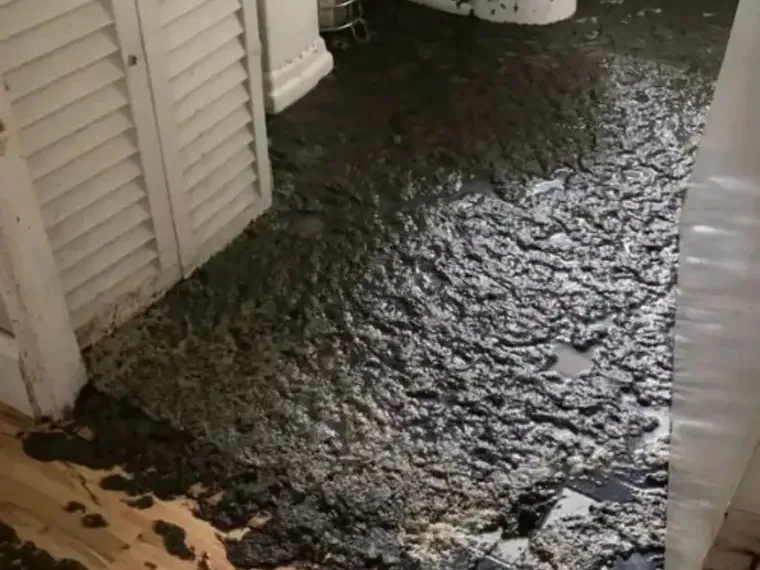
Owasso Public Works provides wastewater services. When sewage appears inside a building, the initial report should identify the overflowing fixture, affected rooms and whether the backup is continuing. The cleanup assessment then follows the water across surfaces and into materials, while the appropriate plumbing or utility contact investigates the source of the drainage problem.
How sewage backup cleanup progresses
Establish separation
The work plan marks affected surfaces, a removal route and protected areas. Shared building access is coordinated so occupants do not cross the contaminated work zone during cleanup.
Remove contacted materials
Wastewater, debris and unsuitable porous materials are handled within the established boundary, with records of items leaving the affected rooms.
Clean retained surfaces
Accessible materials selected for retention receive appropriate cleaning, followed by inspection of edges and adjoining assemblies for remaining moisture.
Assess drying and return
The final sequence addresses wet retained construction and describes the condition needed before the room is returned to ordinary use.
First steps for sewage backup cleanup
- 1Limit movement. Residents keep clear of wastewater and avoid moving wet belongings into hallways or rooms that have remained dry.
- 2Report the source. The building contact records affected fixtures, whether the backup continues and any rooms that cannot be approached safely.
- 3Coordinate drain assessment. Plumbing investigation proceeds alongside a cleanup plan that identifies the contaminated footprint and necessary access to shared building areas.
- 4Document affected materials. The assessment lists contacted surfaces and belongings before removal, cleaning and drying decisions are carried out in the room.
Keep the contaminated route contained
A bathroom threshold is not an automatic stopping point. Wastewater may reach a hall, soak a rug or collect under a vanity before the spill is noticed. Occupants should avoid tracking material through dry rooms, and wet belongings should stay within a controlled work area until their handling is planned.
- Restrict entry to rooms where wastewater contacted flooring, contents or wall finishes.
- Describe every affected fixture without operating additional fixtures to test the drain.
- Keep pets and children away from the contaminated area and its contents.
- Photograph the spread from a dry location before cleanup changes the scene.
The Village is an apartment setting where management coordination can be central to access. A resident's bathroom may be only the first reported location. The responsible building contact should help establish which spaces need assessment and how workers can enter without carrying contaminated items through unrestricted shared areas.
Report the fixture involved, the rooms reached and whether wastewater continues to rise. A focused description helps arrange source investigation and controlled cleanup access without unnecessary movement through affected space.
(888) 619-9509Explain the backup and its spreadChoose removal by material and contact
Porous finishes and belongings can absorb wastewater beyond the portion visible at the surface. Hard materials may be cleanable when their condition and access allow thorough treatment. The written scope should identify these differences, explaining which materials need removal and which will remain for cleaning, inspection and drying.
- Define the contact area and establish a controlled equipment route.
- Remove wastewater and debris using methods appropriate to the exposure.
- Address porous materials that cannot be effectively cleaned and retained.
- Clean accessible surfaces before evaluating the remaining drying requirements.
Redbud District offices may require protection for documents, furniture and business equipment near the affected floor. An inventory helps distinguish contaminated items from dry items merely located in the same room. Those categories should remain separate during packing, movement and disposal so the record matches the actual contact with wastewater.
Flooring beneath removed material also needs attention. A cleaned tile face may sit beside a contaminated porous edge, and a wall base can hide moisture behind its finish. Inspection access should follow the observed spread rather than treating a single visible surface as the complete cleanup boundary.
Safe access comes first
The restoration crew checks electrical exposure, overhead stability and the water source before entering the wet area. Occupants keep clear of sagging ceilings and contaminated floors. A qualified professional isolates affected circuits from a dry location. These checks precede extraction because standing water can conceal damage that a surface inspection misses.
Connect drain repair with room recovery
A cleared blockage and a cleaned room are different milestones. The plumbing work establishes whether the source can function again; the cleanup work addresses what escaped. In a business along U.S. Highway 169, both milestones should be coordinated with the manager before employees or customers return to the affected space.
The documentation should identify the initial source description, rooms involved, materials removed and surfaces treated. It should also state where access remained limited. This gives the owner a useful basis for further assessment and repair, particularly when wall or floor openings are needed after contaminated finishes are removed.
- Keep source investigation details with the cleanup scope and room photographs.
- Separate unaffected belongings before removal of contaminated contents begins.
- Record material disposal in terms the owner can connect to photographs.
- Identify retained assemblies that still need measured drying after cleaning.
The toilet overflow page discusses a fixture centered spill. For a broader backup, the assessment should continue into every connected area reached by wastewater, with access restrictions maintained until the cleanup conditions support releasing that space.
What does sewage backup cleanup cost in Owasso, OK?
Sewage backup cleanup in Owasso varies with contamination spread, porous material removal and access. The ranges below describe cleanup scale; drain repair, replacement finishes and work outside the documented contact area should be clearly separated in the estimate.
Contained bathroom loss
$2,000 to $3,500
- Fixture area
- Limited removal
- Surface cleaning
Connected rooms
$3,500 to $5,500
- Threshold spread
- Porous finishes
- Protected routing
Extensive contamination
$5,500 to $8,000
- Broad removal
- Difficult access
- Assembly drying
These planning ranges are estimate only. Water category, affected area, material class and the delay before extraction change the scope. The water damage cost calculator explores those variables.
Careful decisions for sewage backup cleanup
Rapid local response
The response team assesses active water, access and source control during 24/7 dispatch. Arrival depends on current conditions and the work required at the property.
IICRC S500 drying standard
The drying technician compares wet assemblies with suitable dry references and adjusts dehumidification to the material load. A dry surface alone does not close the job.
Claim-ready documentation
The mitigation team records initial damage, material decisions, equipment and daily readings. The property owner retains a clearer account of the loss for the insurance review.
Local water experts
The contractor checks the actual building and the reported source before choosing a method. Indoor supply releases, contaminated outside water and backed-up drains require different handling.
Sewage backup cleanup in Owasso
Wastewater cleanup assessments serve Owasso buildings in the Redbud District, The Village and U.S. Highway 169 settings, with management coordination for shared access.
The same service nearby: sewage backup cleanup in Sand Springs, Sperry, Oakhurst.
Related water damage services in Owasso
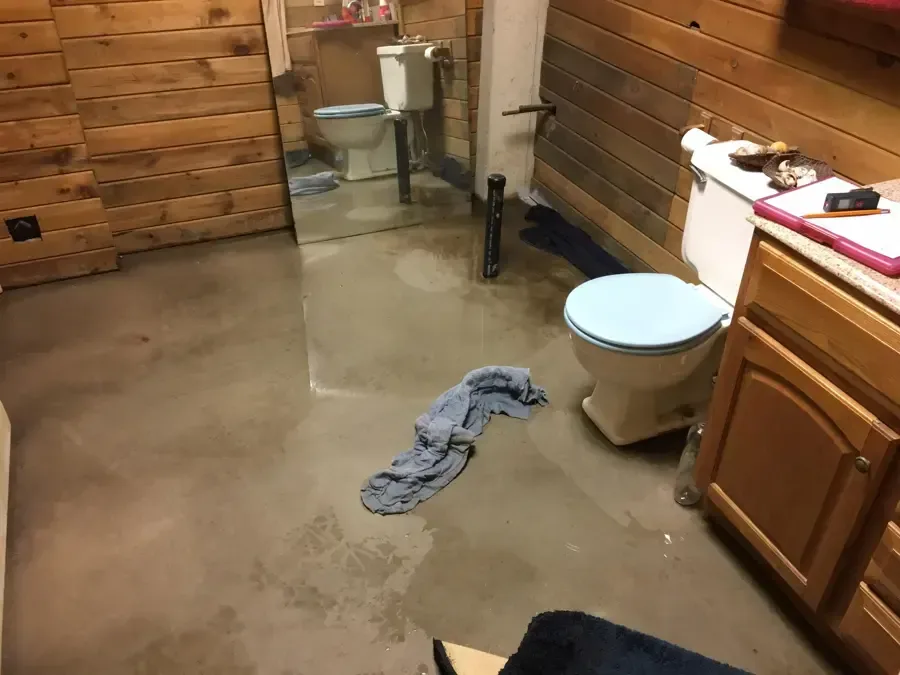
Toilet Overflow Cleanup in Owasso
Waste-bearing bowl overflow needs isolation and contamination control beyond ordinary bathroom drying.
Read about toilet overflow cleanup ›
Structural Drying in Owasso
Material readings direct dehumidification until the assembly reaches a defensible drying goal.
Read about structural drying ›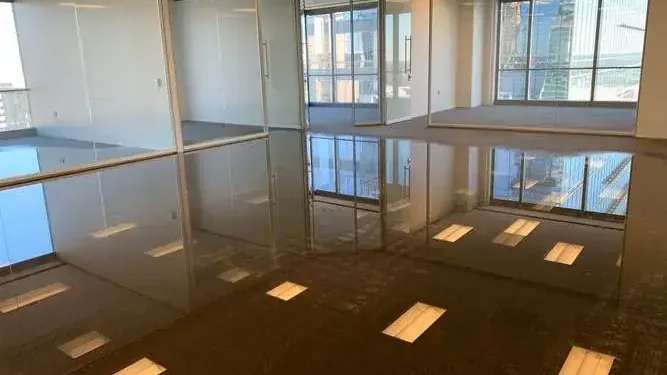
Commercial Water Damage in Owasso
Occupied buildings need controlled work zones and clear moisture records alongside extraction.
Read about commercial water damage ›Sewage Backup Cleanup questions in Owasso, OK
Is drain clearing enough after a sewage backup?
Drain clearing addresses the obstruction or drainage problem. It does not clean the water and waste that escaped into the building. A separate assessment should trace the contact area, identify porous materials and plan cleaning and drying. Both tasks need coordination before the affected room returns to ordinary use.
Can a resident mop the visible area first?
Occupants should avoid direct contact with sewage and keep the affected space restricted. Mopping can move contaminated water into additional joints or rooms without addressing absorbent materials. An assessment can establish the cleanup boundary and material handling plan, while safe photographs preserve the original extent of the spill.
What if wastewater reached beneath the vanity?
The hidden area needs assessment along with the open floor. Cabinet bases, wall edges and flooring beneath the fixture may hold contamination or moisture. Access decisions should explain what can be cleaned thoroughly, what needs removal and how retained materials will be checked before the area is closed again.
Should dry items in the bathroom be discarded?
Items should be assessed by their actual contact, material and condition. Being in the same room does not make every object equivalent. The work plan should protect unaffected belongings and identify contacted items separately. Photographs and an inventory help the owner understand why an item is retained or removed.
How is an apartment backup coordinated?
Management should receive the unit location, the affected fixtures and a description of any spread into shared space. Authorized access may be needed beyond the reporting resident's room. The cleanup route, source investigation and material removal should be planned together so neighboring occupants can avoid the work area.
Can fans be used before the room is cleaned?
Air movement should follow an assessment of contamination and the cleanup sequence. Running household fans across wastewater can complicate control of the affected area. The restoration plan should first address removal and cleaning, then determine how retained wet construction can be dried within the established work boundary.
Who decides responsibility for the blocked drain?
The actual blockage needs investigation by the appropriate plumbing or utility contact. The cleanup record should describe what was observed and where wastewater appeared. Ownership, repair obligations and payment decisions depend on the property and circumstances, so they should be handled separately from documenting and cleaning the affected rooms.
What belongs in the completed cleanup record?
The record should show the contact boundary, removed materials, retained surfaces cleaned and moisture conditions requiring further attention. Source repair notes are useful alongside those documents. Clear photographs and room labels allow the owner or manager to connect each action with the specific area affected by the sewage release.
Establish a clear wastewater cleanup boundary
A documented material plan connects removal, cleaning and drying with the conditions needed to use the room again.
(888) 619-9509Request a sewage damage assessment