Sewage Backup Cleanup in Sperry
Wastewater crossing a bathroom threshold changes how the adjoining rooms must be handled. Sperry sewage cleanup begins with restricted access and a clear boundary around contaminated materials.
(888) 619-9509Describe the wastewater spread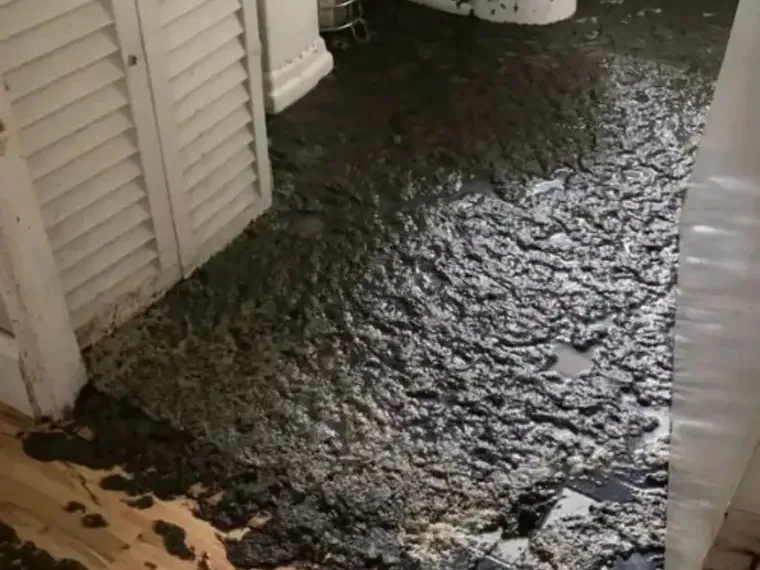
A sewage backup can leave contamination on surfaces that no longer look wet. Foot traffic, furniture legs and porous floor edges may carry the problem beyond the original pool. The first task is to establish where wastewater traveled and keep unaffected occupants and belongings outside that area while the source and cleanup requirements are assessed.
How sewage backup cleanup progresses
Map contamination
The inspection follows wastewater contact across floors, contents and lower wall areas, separating contaminated work zones from paths needed to enter and leave the building safely.
Remove affected waste
Liquid and unsuitable porous materials are handled through a planned route that protects adjacent rooms and documents the removal scope.
Clean retained surfaces
Accessible materials suitable for retention receive appropriate cleaning before drying equipment is positioned to manage moisture remaining inside the assembly.
Confirm the handoff
The final account identifies cleaning work, retained wet materials, source repair status and finish replacement tasks still needed before normal room use.
First steps for sewage backup cleanup
- 1Keep the room closed. Limit entry to the affected bathroom and any adjoining space where wastewater or contaminated footwear has reached the floor.
- 2Avoid additional discharge. Using backed up fixtures can increase the spill while the drain problem awaits diagnosis by a plumbing professional.
- 3Leave contaminated items separated. Soaked textiles and storage containers should remain apart from dry belongings until their handling and removal needs are assessed.
- 4Describe all affected fixtures. The source conversation should include gurgling drains, repeated backup and rooms where wastewater appeared away from the original fixture.
Keep the drain problem and room cleanup connected
Sperry established a new sewer system through a 1955 bond issue. For a backup today, the practical questions concern the affected drain, the fixtures involved and the rooms contacted by wastewater. A plumbing professional investigates the obstruction or other source problem while restoration planning addresses the material that has entered the building.
State Highway 11 and Osage Prairie Trail can help describe property access during an initial conversation. Once inside, the assessment needs a more precise map: the backed up fixture, the route across the floor and any doorway, cabinet base or wall edge where contaminated water could have disappeared beneath a finish.
- Keep children and pets away from wet rooms and contaminated belongings.
- Stop using affected fixtures when continued drainage causes more wastewater to enter.
- Avoid moving soaked rugs or furnishings through rooms that have remained dry.
- Describe any spread into closets, adjoining bedrooms or concealed floor layers.
Odor can help identify a concern, but visible and hidden contact determines the removal boundary. A surface that looks clean after a quick wipe may still have wastewater in its joints or beneath its edges. The inspection therefore considers the assembly as well as the exposed finish before deciding what can be cleaned.
Describe the backed up fixture and every room wastewater reached. That information helps establish the contamination boundary and the access needed for an initial assessment.
(888) 619-9509Explain the wastewater route indoorsSeparate salvageable surfaces from absorbent damage
Porous materials that have absorbed sewage require a different decision from hard, accessible surfaces. Carpet backing, pad, insulation and damaged wallboard may prevent effective cleaning throughout the affected layer. The removal plan should state which materials are unsuitable to retain and how they will be handled without spreading waste into the rest of the property.
- Restrict entry and identify contaminated routes through the occupied building.
- Coordinate drain work to prevent another release during the cleanup.
- Remove wastewater and affected materials using controlled handling procedures.
- Clean suitable surfaces before evaluating the remaining structural drying needs.
Contents need their own assessment. A metal furniture frame, an upholstered cushion and a cardboard storage box have different cleaning possibilities. An inventory and photographs help explain those differences. Items should not be returned to a cleaned room merely because the floor has been cleared of visible wastewater and debris.
Safe access comes first
The restoration crew checks electrical exposure, overhead stability and the water source before entering the wet area. Occupants keep clear of sagging ceilings and contaminated floors. A qualified professional isolates affected circuits from a dry location. These checks precede extraction because standing water can conceal damage that a surface inspection misses.
Reopen the room through a documented sequence
After contaminated material is removed, accessible retained surfaces need cleaning appropriate to their condition. Drying then addresses water absorbed into suitable structural components. Air movement must fit that sequence, because directing household fans across untreated contamination can spread material into spaces that did not need cleanup at the start of the event.
The early settlement lay between Hominy Creek and Delaware Creek, but a drain backup needs its own source account. Reporting whether multiple fixtures backed up, whether the release continues and where water first appeared gives the plumber and restoration assessment a practical starting point for the work ahead.
- Identify the contaminated area separately from the equipment access route.
- Photograph removed layers before concealed surfaces are cleaned and exposed.
- Record which retained assemblies still need moisture measurements after cleaning.
- Explain outstanding drain repair and finish replacement before returning the room to use.
For a release confined to a fixture, the toilet overflow page explains bathroom specific concerns. The town restoration overview connects wastewater cleanup with broader building damage and repair planning.
What does sewage backup cleanup cost in Sperry, OK?
Sewage backup cleanup in Sperry ranges from $2,000 to $8,000 for the planning scopes shown. Contaminated area, porous material removal, contents handling and access affect the proposal. Drain repair and replacement finishes should have separately described responsibilities.
Contained bathroom loss
$2,000 to $3,500
- Restricted entry
- Surface cleaning
- Local removal
Connected rooms
$3,500 to $5,500
- Doorway tracking
- Porous finishes
- Contents handling
Extensive contamination
$5,500 to $8,000
- Broad isolation
- Layer removal
- Structural drying
These planning ranges are estimate only. Water category, affected area, material class and the delay before extraction change the scope. The water damage cost calculator explores those variables.
Careful decisions for sewage backup cleanup
Rapid local response
The response team assesses active water, access and source control during 24/7 dispatch. Arrival depends on current conditions and the work required at the property.
IICRC S500 drying standard
The drying technician compares wet assemblies with suitable dry references and adjusts dehumidification to the material load. A dry surface alone does not close the job.
Claim-ready documentation
The mitigation team records initial damage, material decisions, equipment and daily readings. The property owner retains a clearer account of the loss for the insurance review.
Local water experts
The contractor checks the actual building and the reported source before choosing a method. Indoor supply releases, contaminated outside water and backed-up drains require different handling.
Sewage backup cleanup in Sperry
Sperry sewage assessments include properties in 74073, with the business district and State Highway 11 providing access references while room conditions determine the contamination boundary.
The same service nearby: sewage backup cleanup in Sand Springs, Owasso, Oakhurst.
Related water damage services in Sperry
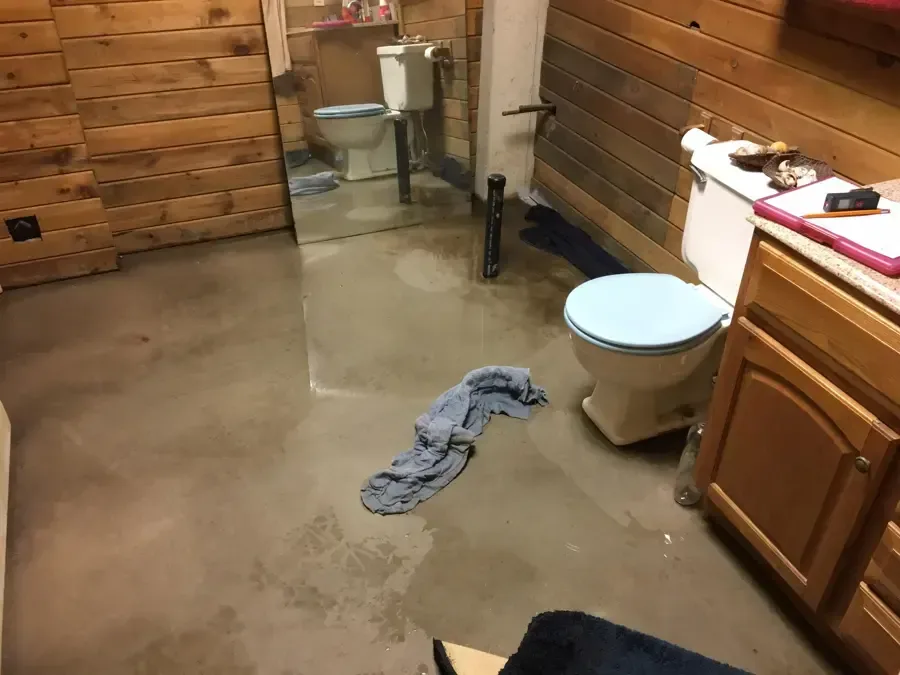
Toilet Overflow Cleanup in Sperry
Waste-bearing bowl overflow needs isolation and contamination control beyond ordinary bathroom drying.
Read about toilet overflow cleanup ›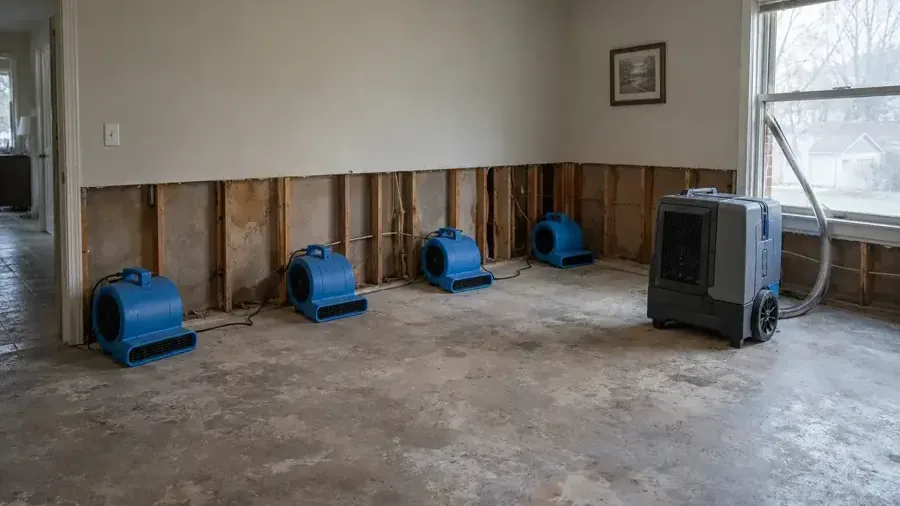
Structural Drying in Sperry
Material readings direct dehumidification until the assembly reaches a defensible drying goal.
Read about structural drying ›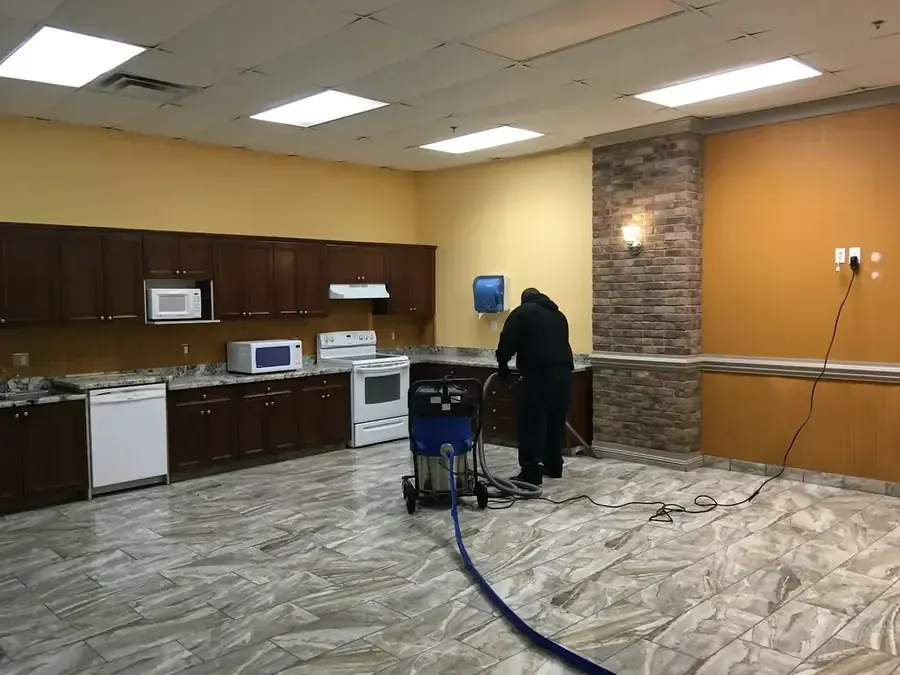
Water Extraction in Sperry
Extractors remove pooled water before the drying equipment tackles moisture inside floors and walls.
Read about water extraction ›Sewage Backup Cleanup questions in Sperry, OK
Should occupants walk through the affected bathroom?
Access should be restricted because wastewater can contact skin, footwear and belongings even after the visible pool shrinks. A dry doorway provides a safer place to describe the damage. Children and pets should remain outside the work area, and contaminated items should not be carried through clean rooms without a handling plan.
Can a fan help before cleanup starts?
Air movement across untreated wastewater can spread contamination beyond the initial room. Cleanup planning should establish containment, remove affected waste and assess surfaces before drying equipment operates. Ordinary household fans do not address contaminated porous layers or hidden wastewater beneath flooring, so visible evaporation alone is not a suitable completion measure.
Does fixing the drain finish the restoration?
Drain repair stops or resolves the source problem. It does not clean wastewater from floor joints, wall edges or damaged contents. The restoration scope addresses those contacts separately, including removal of unsuitable materials and drying of retained structure. Both source work and room recovery need to be accounted for before normal use resumes.
Can contaminated carpet be cleaned in place?
Sewage exposure requires assessment of the carpet, backing, pad and supporting floor rather than only the surface fibers. Absorbent layers may be unsuitable to retain because contamination cannot be effectively reached throughout them. The scope should explain the removal decision and provide access to inspect and clean the floor assembly beneath.
Why is a nearby closet part of the inspection?
Water can pass under a door or partition and collect where stored items conceal it. Cardboard, fabrics and floor edges in a closet may be affected even if the main puddle remains in the bathroom. Inspecting connected spaces helps establish the actual contamination boundary before cleaning and material removal begin.
What should be photographed before removal?
Useful photographs show the backed up fixture, wastewater paths, affected contents and the edges where water entered concealed layers. Images taken from a safe position preserve the initial condition. Later photographs of exposed assemblies can explain why particular materials were removed and which structural surfaces remained for cleaning and drying.
Will a strong odor always remain after a backup?
Odor conditions vary with the materials contacted and the source of the release. The cleanup should focus on removing contamination and reaching affected surfaces rather than masking a smell. If odor persists, the assessment should consider concealed material, incomplete source repair or a remaining wet area that needs further attention.
How are rooms returned to normal use?
The handoff should account for source control, contaminated material handling, cleaning and the condition of retained assemblies. Some rooms also need drying or replacement finishes before use resumes. A clear scope identifies those remaining tasks so a visibly clean floor is not mistaken for completion of every part of the loss.
Begin with controlled wastewater handling
The cleanup scope should connect drain repair, affected material removal and the condition of surfaces that will remain in place.
(888) 619-9509Discuss the contaminated rooms