Toilet Overflow Cleanup in Sperry
Water leaving a toilet can reach a vanity base or hallway before the overflow stops. Sperry cleanup identifies whether waste is involved and follows contact beyond the bathroom's visible floor.
(888) 619-9509Describe the overflow beyond the fixture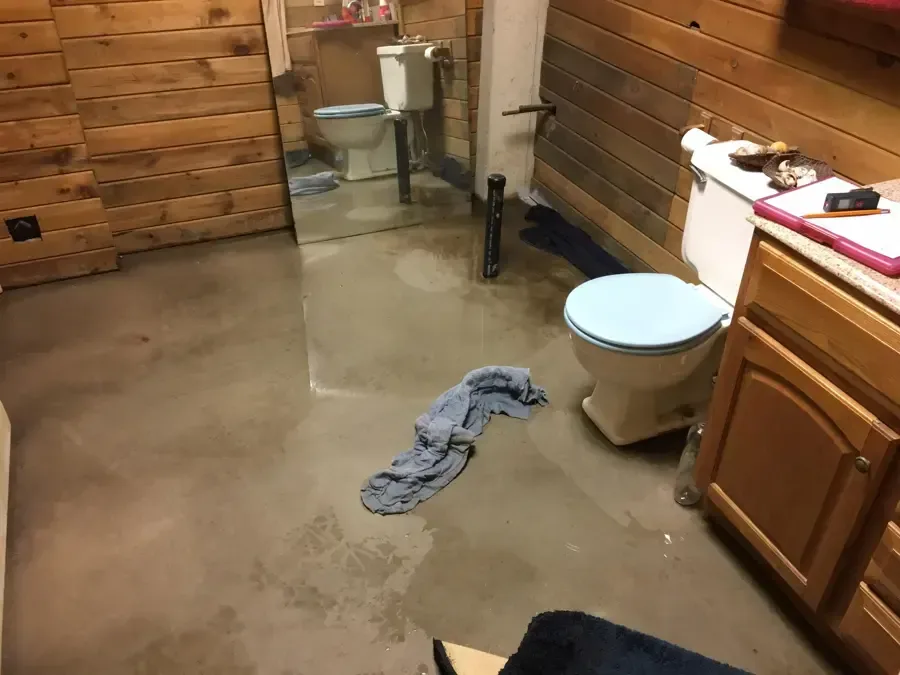
A toilet overflow can be brief and still reach places a mop cannot clean. Water may pass beneath the vanity, soak the lower edge of a doorway or enter a floor joint leading to the room below. The first assessment establishes the release source and whether waste contacted those surfaces before deciding how the bathroom should be handled.
How toilet overflow cleanup progresses
Clarify the fixture event
The assessment identifies fixture behavior and wastewater contact with floor joints, cabinet bases, contents and neighboring rooms that require controlled handling.
Establish a contained work area
Access restrictions and equipment routes are planned around the bathroom layout, with affected belongings separated from clean spaces before removal or cleaning changes the original scene.
Reach the contacted surfaces
Liquid removal and necessary material access allow suitable surfaces to be cleaned, while unsuitable porous layers receive a separate removal decision based on their condition and exposure.
Assess readiness for repair
Retained assemblies are checked for remaining moisture, and the final scope identifies fixture work, replacement finishes and any connected room damage still requiring attention after bathroom cleanup.
First steps for toilet overflow cleanup
- 1Stop repeated fixture use. If flushing adds more water, the fixture should remain unused while the source or drain problem receives a plumbing assessment.
- 2Keep traffic outside the spill. People, pets and footwear should stay away from wastewater so the affected area does not expand into otherwise clean rooms.
- 3Describe doorway and cabinet contact. Describe water beneath the vanity, along trim and across the threshold into adjoining floor coverings.
- 4Avoid premature surface covering. Rugs or new trim can conceal wet edges needing cleaning access and measurements before room repairs proceed.
Identify the release before choosing the cleanup method
Water from a supply connection, tank or overflowing bowl can create different contact conditions. A plumbing professional addresses the fixture or drainage problem, while restoration assessment follows the resulting spill. Occupants should avoid repeated flushing when it causes renewed overflow and keep children and pets outside any area contacted by wastewater.
Sperry's sewer system history includes a new system established in 1955. At an affected bathroom today, the important details are the fixture behavior, water condition and path through the room. Properties around State Highway 11 or the business district need an inspection of the actual bathroom finishes and connections rather than assumptions from municipal history.
- Floor joints can carry liquid beneath an otherwise intact hard surface.
- A vanity base may absorb water where its lower edge meets the floor.
- Carpet beyond the bathroom doorway needs separate assessment after wastewater contact.
- Water appearing below the bathroom may indicate spread into another assembly.
Clear looking water does not settle every contamination question. The inspection should consider where the liquid originated and what it contacted. That assessment shapes containment, cleaning and decisions about absorbent materials before anyone circulates air across the room or carries wet rugs through unaffected living spaces.
Describe where the overflow began, whether waste was present and which surfaces it reached. Include water beyond the doorway or below the bathroom when that is visible safely.
(888) 619-9509Explain the bathroom overflow contactInspect the edges that ordinary wiping misses
A hard bathroom floor can look recovered after the surface is wiped while water remains beneath trim or behind the toilet. Access around the fixture and cabinet determines which surfaces can be inspected directly. If removal or disconnection is needed, that step should be coordinated with the appropriate trade and explained within the work sequence.
- Determine the source and restrict contact with affected bathroom surfaces.
- Trace the overflow through joints, cabinet bases and neighboring finishes.
- Remove liquid and unsuitable materials using appropriate controlled handling.
- Clean retained surfaces and assess any remaining moisture in the assembly.
Osage Prairie Trail is a familiar local reference, while the relevant interior boundary may be only a doorway away from the fixture. Photographs of the threshold and adjoining floor help show whether the loss stayed within the bathroom or reached porous material that requires a different treatment decision from the hard surface beside the toilet.
Safe access comes first
The restoration crew checks electrical exposure, overhead stability and the water source before entering the wet area. Occupants keep clear of sagging ceilings and contaminated floors. A qualified professional isolates affected circuits from a dry location. These checks precede extraction because standing water can conceal damage that a surface inspection misses.
Connect fixture repair to room recovery
Resolving the blockage or leaking connection prevents another release, but the room still needs assessment for material damage. Swollen trim, wet subfloor or contaminated padding may remain after the toilet functions normally. A clear proposal separates those building tasks from the plumbing work and identifies any access required beneath an installed finish.
Cleaning and drying also have different purposes. Cleaning addresses contacted surfaces and contamination, while drying removes moisture from suitable retained material. The sequence should reflect both needs so a bathroom is not declared ready for replacement trim or flooring simply because the visible water and odor have diminished.
- Keep the fixture diagnosis with photographs of the original overflow path.
- Record affected porous materials before removal changes the room boundary.
- Identify concealed surfaces that cannot be reached without additional access.
- Explain outstanding finish repairs and retained material conditions at handoff.
For a broader drain event, sewage backup cleanup addresses connected contaminated rooms. The town service overview helps relate the bathroom loss to other water affected assemblies.
What does toilet overflow cleanup cost in Sperry, OK?
Toilet overflow cleanup in Sperry ranges from $800 to $3,500. Waste contact, porous finishes and spread beyond the bathroom affect the work; plumbing repairs should be identified separately from restoration.
Limited hard-floor spill
$800 to $1,500
- Local contact
- Surface cleaning
- Edge inspection
Porous edge damage
$1,500 to $2,500
- Trim assessment
- Vanity access
- Material removal
Spread beyond bathroom
$2,500 to $3,500
- Threshold crossing
- Connected layers
- Broader treatment
These planning ranges are estimate only. Water category, affected area, material class and the delay before extraction change the scope. The water damage cost calculator explores those variables.
Careful decisions for toilet overflow cleanup
Rapid local response
The response team assesses active water, access and source control during 24/7 dispatch. Arrival depends on current conditions and the work required at the property.
IICRC S500 drying standard
The drying technician compares wet assemblies with suitable dry references and adjusts dehumidification to the material load. A dry surface alone does not close the job.
Claim-ready documentation
The mitigation team records initial damage, material decisions, equipment and daily readings. The property owner retains a clearer account of the loss for the insurance review.
Local water experts
The contractor checks the actual building and the reported source before choosing a method. Indoor supply releases, contaminated outside water and backed-up drains require different handling.
Toilet overflow cleanup in Sperry
Toilet overflow assessments serve Sperry homes in 74073, with bathroom access, adjoining flooring and any water below the fixture described during intake to establish the inspection boundary.
The same service nearby: toilet overflow cleanup in Sand Springs, Owasso, Oakhurst.
Related water damage services in Sperry
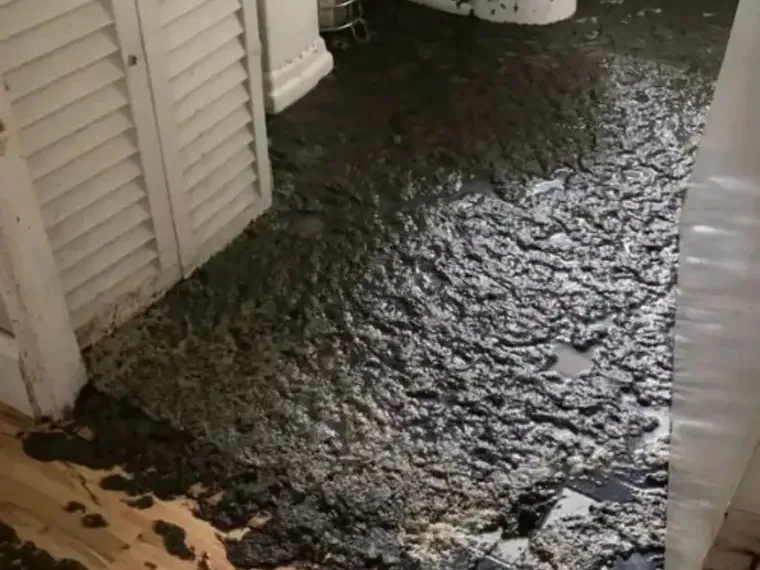
Sewage Backup Cleanup in Sperry
Contaminated drain water calls for controlled removal, cleaning and disposal of affected porous materials.
Read about sewage backup cleanup ›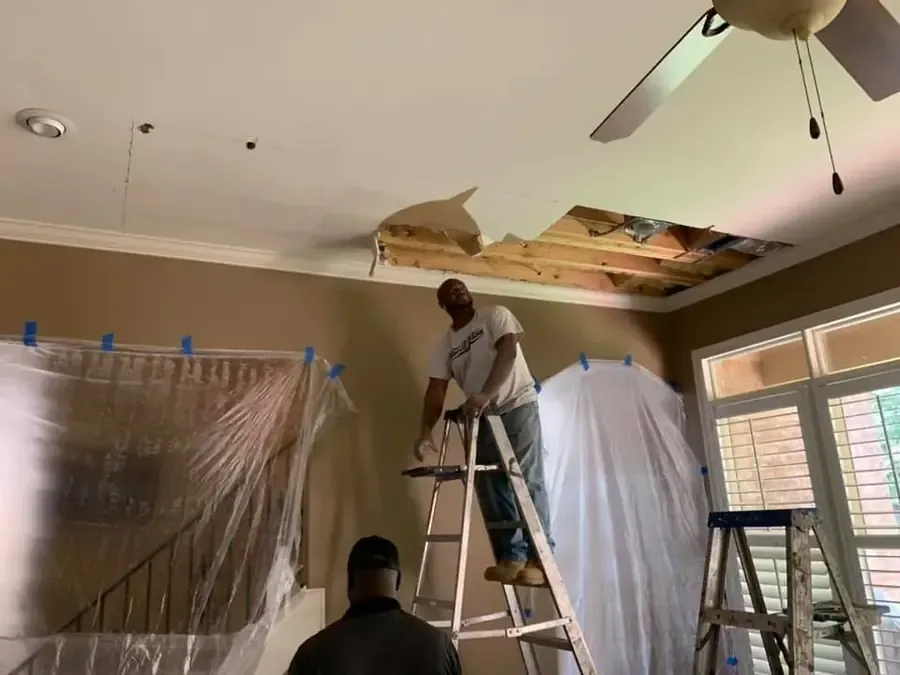
Ceiling Leak Water Damage in Sperry
Overhead water requires safe access to the source before damaged ceiling materials come down.
Read about ceiling leak water damage ›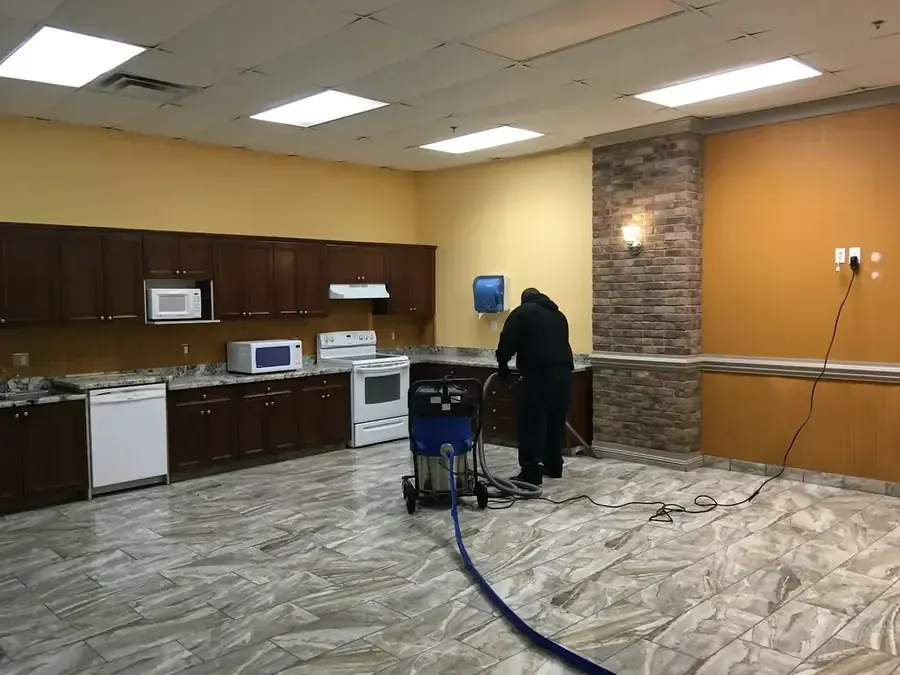
Water Extraction in Sperry
Extractors remove pooled water before the drying equipment tackles moisture inside floors and walls.
Read about water extraction ›Toilet Overflow Cleanup questions in Sperry, OK
Is every toilet related spill considered wastewater?
The source and contact path need assessment. A supply connection release differs from water overflowing a bowl containing waste, and the liquid may contact other materials as it spreads. The cleanup method should follow those conditions rather than treating every puddle beside the fixture as identical or judging contamination only by its appearance.
Should the toilet be flushed again to test it?
If flushing produces more overflow, continued use can increase the affected area. The fixture should remain unused while the plumbing problem is assessed. The owner can describe the original behavior and any other affected drains, allowing source diagnosis to proceed without repeatedly adding water to materials that already need cleanup.
Can the bathroom simply be mopped and reopened?
Surface wiping may leave water and contamination in floor joints, vanity bases or porous edges. The inspection should establish what was contacted and whether those areas can be reached for appropriate treatment. Adjacent trim, underlying layers and any carpet beyond the doorway need their own checks for water contact, contamination and access for treatment.
Why inspect the hallway after a bathroom overflow?
Water can cross the threshold or travel beneath a transition before it becomes obvious outside the bathroom. Porous flooring in the hallway may need different handling from the hard floor beside the fixture. Checking that boundary helps determine whether the cleanup remains local or includes connected materials that absorbed the overflow.
Does the toilet need to be removed for cleanup?
Removal depends on source repair needs and access to affected surfaces. The fixture may obstruct inspection behind or beneath it, but disconnection should be coordinated with the appropriate trade. The proposal should explain the purpose of any movement and separate plumbing work from treatment of the floor assembly exposed during that step.
Can a wet vanity be dried without replacement?
Construction, damage and contamination influence that decision. Some accessible material may remain suitable for treatment, while swollen or contaminated absorbent components may not. The assessment should explain the condition of the base and concealed edges, distinguishing moisture removal from physical damage that drying will not necessarily reverse inside the cabinet.
What if water is visible on the ceiling below?
That observation suggests the release reached another assembly and needs assessment beyond the bathroom floor. Occupants should avoid unstable overhead areas and wet electrical fixtures. The scope should connect the fixture event with the ceiling cavity, insulation and retained materials below so cleanup addresses the full route through the building.
What should happen before replacement trim is installed?
The contacted surfaces should receive the required cleaning and retained layers should be assessed for moisture. Source repair and any damaged material removal also need to be accounted for. The handoff should identify these conditions and remaining repairs before new trim conceals floor edges or wall bottoms that were affected by the overflow.
Treat the fixture event and the affected room
The recovery plan should connect plumbing diagnosis with cleaning access, porous material decisions and moisture remaining beneath bathroom finishes.
(888) 619-9509Discuss the bathroom and adjoining damage