Water Extraction in Sperry
Sperry water extraction begins with the origin of the puddle. An indoor pipe release and creek floodwater need different handling before wet floors can be assessed for drying.
(888) 619-9509Discuss the standing water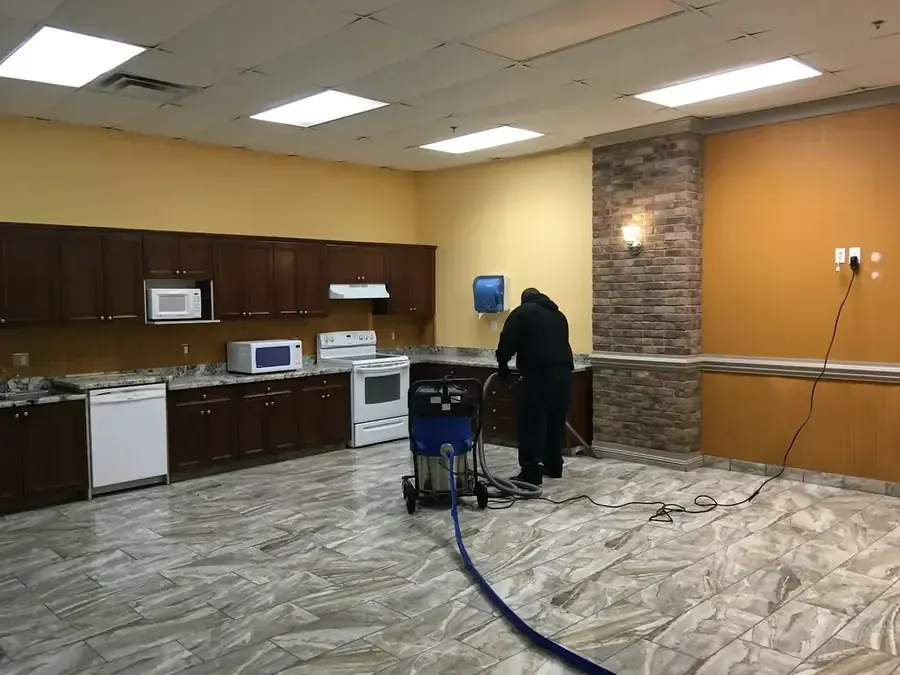
A shallow layer of water can hide a much larger wet area. Liquid follows floor slopes, slips through doorway joints and collects under furniture before the owner sees it. Extraction planning begins with those routes, identifying a safe place for equipment and a practical sequence for removing water without carrying contamination into dry rooms.
How water extraction progresses
Establish the removal boundary
Technicians connect the reported source to wet floor areas and check adjoining spaces so the extraction plan includes liquid that escaped beyond the first visible puddle.
Select the equipment
Surface type, water condition and access determine whether pumping, floor extraction or more targeted tools suit the affected area.
Inspect exposed edges
After liquid removal, perimeter checks identify absorbed water in trim, floor seams and nearby materials that need an additional treatment decision.
Set the next scope
The closing assessment explains remaining moisture, cleaning needs and any material openings required before retained assemblies can dry effectively.
First steps for water extraction
- 1Keep the route dry. Occupants should remain outside wet rooms when standing water contacts outlets, cords or equipment with uncertain electrical safety.
- 2Report continued flow. The assessment needs to know whether a pipe still leaks or exterior water continues entering through a doorway.
- 3Leave soaked layers visible. Avoid covering wet carpet or flooring with other materials, which can obscure the extent of the release.
- 4Record affected belongings. Photographs should show furniture bases and stored items before they are moved away from the extraction area.
Identify the liquid before moving it
Bird Creek flooding has affected the Sperry area, including closures involving State Highway 11 and State Highway 20. Water entering a building during an outside flood requires different cleaning decisions from a newly discovered indoor supply leak. The inspection records the entry route and contact with building materials before selecting extraction methods.
- A doorway puddle may connect to moisture beneath the flooring in another room.
- Water around appliances requires electrical safety attention before any equipment is plugged in.
- Carpet and padding need separate assessment because liquid can remain below the visible surface.
- Debris or wastewater changes the containment and disposal approach for the affected space.
The initial account helps establish whether water is still arriving. A continuing pipe release needs source control, while exterior entry may remain active after rain has stopped. Pumping without addressing that continuing flow can leave the floor wet again as quickly as accessible liquid is removed.
Describe the depth, location and apparent source of standing water so the extraction assessment can account for the room surfaces and safe access.
(888) 619-9509Explain where water is collectingWork across the floor rather than only the puddle
The extraction pattern should cover the affected material and its edges. A hard floor may hold water along perimeter gaps, while a carpeted room can retain liquid in its backing or pad. Door thresholds and cabinet bases deserve particular attention because they interrupt the visible surface while allowing hidden spread.
- Establish safe access and identify where liquid entered the affected room.
- Remove standing water with equipment suited to the surface and depth.
- Check adjoining finishes for absorbed moisture and concealed movement.
- Record which materials need cleaning, removal or further drying.
Furniture placement also affects the work. Technicians may need space to reach beneath movable items, and damp belongings should be separated from dry possessions. Photographs taken before repositioning help explain where water collected. Heavy or unstable contents require an appropriate handling plan instead of being dragged through the wet area.
Safe access comes first
The restoration crew checks electrical exposure, overhead stability and the water source before entering the wet area. Occupants keep clear of sagging ceilings and contaminated floors. A qualified professional isolates affected circuits from a dry location. These checks precede extraction because standing water can conceal damage that a surface inspection misses.
Define what remains after extraction
Once puddles are gone, the next assessment concerns absorbed water. The floor may feel dry underfoot while wood, drywall or underlayment remains damp. Measurements at representative points help distinguish a finished extraction task from an unfinished drying task, particularly where several material layers overlap near walls or room transitions.
A property near Osage Prairie Trail receives the same assembly focused assessment: the water route and material condition set the scope. Exterior reference points help describe access, while the interior inspection determines whether a single room or several connected spaces require treatment and followup moisture measurements.
- Record wet floor coverings separately from the supporting floor assembly.
- Identify trapped pockets beneath trim, cabinets and installed surface layers.
- Explain any removal needed to reach water that remains concealed.
- Keep a clear record of the materials retained for drying.
The structural drying service addresses moisture left inside suitable retained materials. For an outside entry event, storm flood cleanup adds the cleaning and contamination decisions needed before those assemblies are dried.
What does water extraction cost in Sperry, OK?
Water extraction in Sperry ranges from $500 to $3,000 across these planning scopes. Surface access, water depth, affected rooms and contamination change the work required; absorbed moisture may need a separate drying stage after liquid removal.
Contained room
$500 to $1,000
- Open floor
- Local puddles
- Simple access
Several wet rooms
$1,000 to $2,000
- Doorway spread
- Multiple surfaces
- Broader extraction
Complex removal
$2,000 to $3,000
- Restricted access
- Concealed pockets
- Added handling
These planning ranges are estimate only. Water category, affected area, material class and the delay before extraction change the scope. The water damage cost calculator explores those variables.
Careful decisions for water extraction
Rapid local response
The response team assesses active water, access and source control during 24/7 dispatch. Arrival depends on current conditions and the work required at the property.
IICRC S500 drying standard
The drying technician compares wet assemblies with suitable dry references and adjusts dehumidification to the material load. A dry surface alone does not close the job.
Claim-ready documentation
The mitigation team records initial damage, material decisions, equipment and daily readings. The property owner retains a clearer account of the loss for the insurance review.
Local water experts
The contractor checks the actual building and the reported source before choosing a method. Indoor supply releases, contaminated outside water and backed-up drains require different handling.
Water extraction in Sperry
Extraction assessments cover Sperry properties in 74073, with access details around State Highway 11 and the business district helping identify the affected entrance and rooms.
The same service nearby: water extraction in Sand Springs, Owasso, Oakhurst.
Related water damage services in Sperry
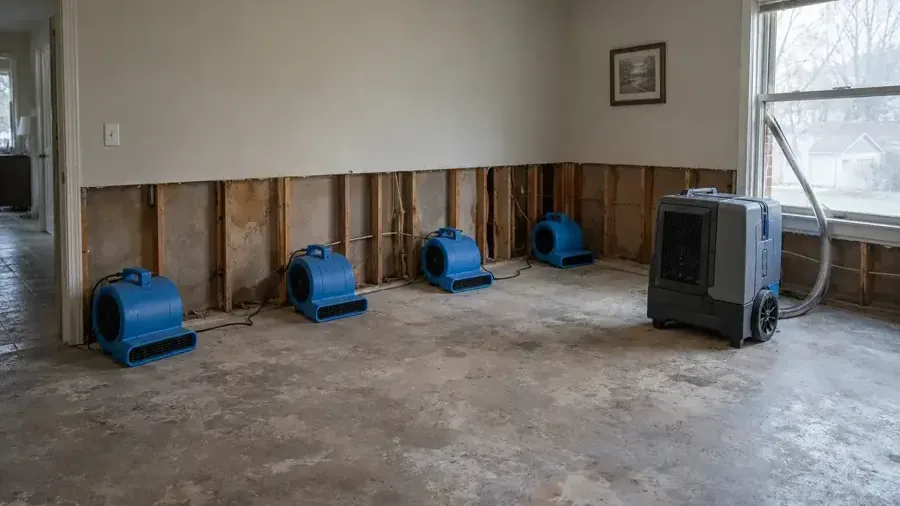
Structural Drying in Sperry
Material readings direct dehumidification until the assembly reaches a defensible drying goal.
Read about structural drying ›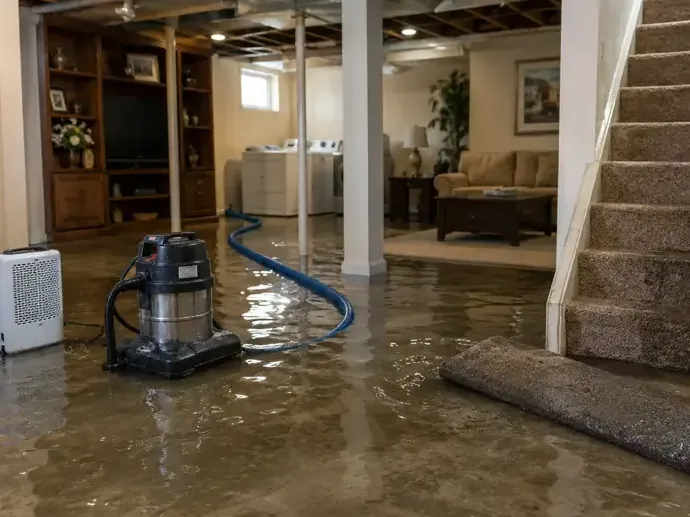
Storm Flood Cleanup in Sperry
Outside water brings sediment and contamination indoors, changing both extraction and material decisions.
Read about storm flood cleanup ›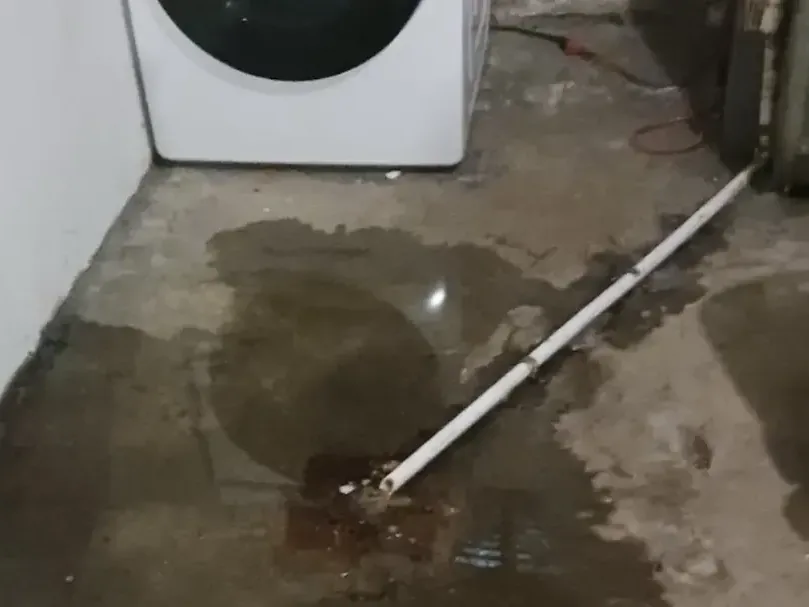
Appliance Leak Water Damage in Sperry
Hidden water beneath cabinets and appliances often demands access below the finished floor.
Read about appliance leak water damage ›Water Extraction questions in Sperry, OK
Does clear water always mean a simple cleanup?
The technician establishes the water source and checks its route before selecting extraction equipment and contamination controls. The source, time in contact with materials and path through the building matter. Clear liquid can collect beneath contaminated surfaces or inside damaged assemblies. The inspection should identify those contacts before deciding how the room will be extracted, cleaned and dried.
Can a household vacuum remove the puddle?
A household vacuum may be unsuitable for liquid and should not be used where water creates an electrical hazard. Professional extraction considers safe power, the amount of water and the floor material. Occupants can provide a description from a dry area while equipment needs and entry conditions are assessed.
Why check rooms without visible standing water?
Floor joints and wall cavities can carry water beyond the obvious puddle. A neighboring room may have wet padding or base trim even when its surface looks normal. Checking those connections helps prevent the extraction boundary from stopping at a doorway while damp materials remain on the other side.
Will extraction remove water beneath installed flooring?
Some liquid may be accessible at edges, but glued finishes and layered floors can prevent effective removal from above. Measurements and construction details determine whether an opening is needed. The scope should distinguish removable surface water from trapped moisture that requires exposure, specialized drying or removal of a damaged layer.
What happens to wet carpet padding?
Padding is evaluated separately from the carpet face. Water condition, saturation and access to the supporting floor influence whether it can remain. Removing an unsuitable pad can expose the floor for inspection and drying. A decision about the carpet itself also depends on its condition and the event.
Does outside floodwater need different equipment handling?
Outside water may carry sediment and contaminants that change extraction, cleaning and disposal procedures. Equipment routes should avoid spreading that material into unaffected rooms. Porous finishes also need assessment before drying begins. Removing visible liquid is only part of a flood cleanup scope that must address what the water contacted.
Can furniture stay while liquid is removed?
Some pieces can remain if safe access and their condition allow it, while others obstruct the wet floor or continue absorbing water at their bases. The work plan should describe protection or movement. A record of the original placement helps connect furniture damage to the areas affected by the release.
What shows that another drying step is needed?
Material readings and inspection after extraction reveal whether walls, subfloor or other retained layers remain wet. A floor that no longer shines with water may still contain absorbed moisture. Those findings set the next equipment plan and provide a starting point for tracking progress through the structural drying stage.
Start with accessible water and concealed spread
A clear account of the wet rooms helps connect liquid removal with the cleaning and drying still required.
(888) 619-9509Discuss removal from the affected floors