Water Extraction in Owasso
Water covering a room needs a controlled exit route. Extraction focuses on the deepest pooling, the floor edges and the materials holding water after the puddle disappears.
(888) 619-9509Plan removal from the wet rooms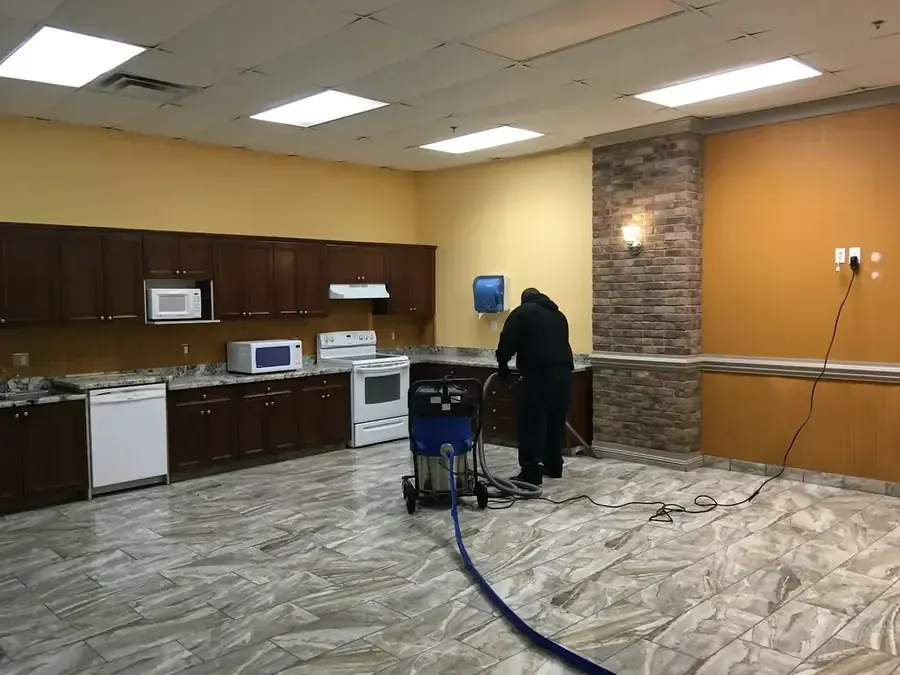
At The Greens at Owasso, residents reported apartment flooding after a broken pipe. An event involving occupied units makes room identification especially useful: the assessment needs to distinguish water still pooling from damp finishes and personal belongings. Recording the affected unit and securing access helps removal proceed without moving wet items into an otherwise usable corridor.
How water extraction progresses
Map the removal route
The room survey identifies collection points, surface types and a practical equipment path. Occupied areas and belongings that need protection are marked before the main extraction work begins.
Clear accessible pooling
Removal proceeds through the affected floor area using equipment appropriate to the surface and the observed water conditions.
Inspect hidden edges
Thresholds, wall bases and spaces under movable contents receive additional attention where water could remain after the open floor clears.
Define residual drying
Material readings and the condition of finishes determine the next drying actions, with inaccessible sections clearly listed for follow up.
First steps for water extraction
- 1Describe the pooled area. The caller identifies affected rooms, water depth and any hazards that prevent a safe approach to the wet floor.
- 2Secure source access. Management or the owner arranges the source repair and authorizes entry to every room involved in the water path.
- 3Separate movable contents. Dry belongings stay clear of hoses and traffic while wet items are documented before any necessary movement or removal.
- 4Check after extraction. The assessment records moisture in floor edges and adjacent materials so drying work has a defined starting point.
Start with the route water has taken
A puddle near a doorway may be the end of a longer wet path. Water can collect beneath movable furniture, reach a closet through a floor transition or soak an absorbent floor covering while the open surface looks shallow. The initial walk through follows these connections from safe, dry positions.
- Note thresholds where the wet area continues into an adjoining room or storage space.
- Identify electrical equipment and outlets near pooled water before anyone approaches the floor.
- Keep dry contents outside the work route and separate them from wet belongings.
- Record visible water marks before extraction changes the appearance of the affected area.
Shared buildings such as The Village also need a contact who can arrange authorized entry. A resident may see only the water inside one room. Management coordination allows the assessment to include connected spaces and avoids assuming that a closed neighboring door marks the end of the damage.
Describe where water is pooling, what caused it and whether the room can be entered safely. Those details help establish the removal priorities before equipment is positioned.
(888) 619-9509Discuss pooling and room accessMatch removal to the floor and water source
Extraction is a material decision as well as an equipment decision. Hard surfaces, absorbent coverings and water under contents behave differently. The source history affects handling, especially when outside water or a drain backup is involved. A visible spill should be assessed before air movement spreads moisture or contaminants through the room.
- Establish a safe working area and confirm the release has stopped.
- Remove accessible pooled water while protecting unaffected rooms and contents.
- Inspect floor edges and transitions for water beyond the original puddle.
- Record the moisture remaining in materials after the extraction pass.
In a Redbud District office, the work route may also need to accommodate desks, documents and occupied areas. Those items should be identified before hoses and equipment are positioned. Extraction can then follow an agreed sequence through the affected rooms instead of repeatedly moving the same belongings between wet surfaces.
Safe access comes first
The restoration crew checks electrical exposure, overhead stability and the water source before entering the wet area. Occupants keep clear of sagging ceilings and contaminated floors. A qualified professional isolates affected circuits from a dry location. These checks precede extraction because standing water can conceal damage that a surface inspection misses.
The puddle is only one part of the loss
Once standing water is gone, wall bases, flooring layers and other absorbent materials may still contain moisture. Measurements help determine whether access openings or additional drying are necessary. The structural drying service explains how retained moisture is managed after the bulk water has been removed from the building.
Photographs taken before and after extraction make the work easier to understand. They should accompany notes about affected rooms, removed items and inaccessible spaces. A room that cannot be entered should remain identified as pending assessment, rather than disappearing from the work record when the visible puddle elsewhere is removed.
- Separate the extraction scope from repairs to the failed water source.
- Identify flooring that needs assessment beneath its visible wearing surface.
- Retain records of water disposal and any affected contents removed.
- Leave a clear description of the next drying or repair step.
The owner or manager should receive an explanation of what removal achieved and which materials remain wet. That handoff connects the urgent task of clearing pooled water with the longer work of returning rooms to service.
What does water extraction cost in Owasso, OK?
Water extraction in Owasso is planned around the affected footprint, access and the materials holding water. These ranges describe removal scopes; concealed damage, contaminated material handling and later repairs can change the full recovery estimate.
Contained room
$500 to $1,000
- Open floor
- Limited contents
- Simple access
Several wet rooms
$1,000 to $2,000
- Doorway spread
- Extra handling
- Edge checks
Complex removal
$2,000 to $3,000
- Restricted entry
- Difficult pooling
- Multiple surfaces
These planning ranges are estimate only. Water category, affected area, material class and the delay before extraction change the scope. The water damage cost calculator explores those variables.
Careful decisions for water extraction
Rapid local response
The response team assesses active water, access and source control during 24/7 dispatch. Arrival depends on current conditions and the work required at the property.
IICRC S500 drying standard
The drying technician compares wet assemblies with suitable dry references and adjusts dehumidification to the material load. A dry surface alone does not close the job.
Claim-ready documentation
The mitigation team records initial damage, material decisions, equipment and daily readings. The property owner retains a clearer account of the loss for the insurance review.
Local water experts
The contractor checks the actual building and the reported source before choosing a method. Indoor supply releases, contaminated outside water and backed-up drains require different handling.
Water extraction in Owasso
Extraction assessments cover Owasso properties around The Village, the Redbud District and U.S. Highway 169, with entry arrangements based on the affected building.
The same service nearby: water extraction in Sand Springs, Sperry, Oakhurst.
Related water damage services in Owasso
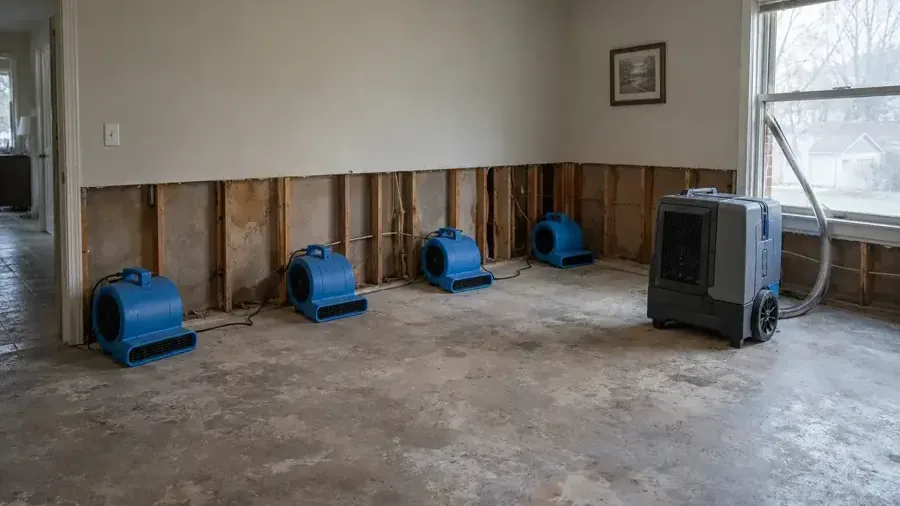
Structural Drying in Owasso
Material readings direct dehumidification until the assembly reaches a defensible drying goal.
Read about structural drying ›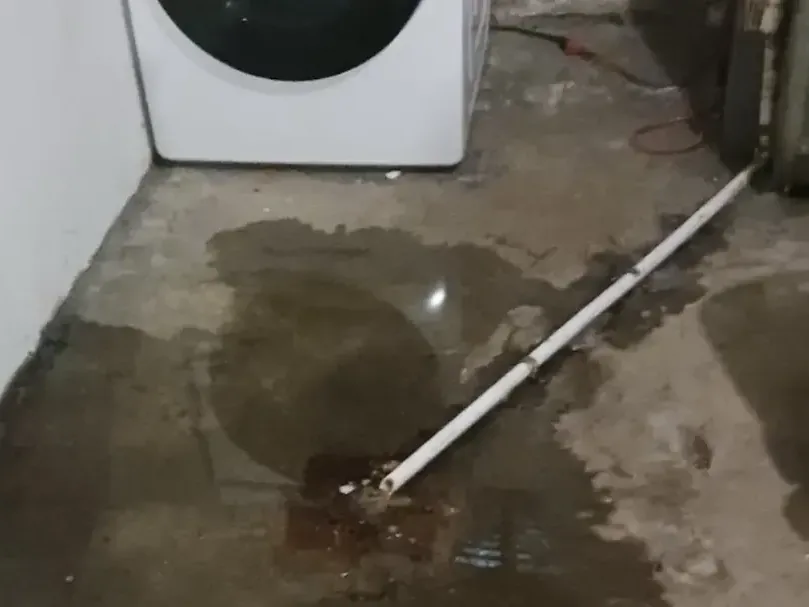
Appliance Leak Water Damage in Owasso
Hidden water beneath cabinets and appliances often demands access below the finished floor.
Read about appliance leak water damage ›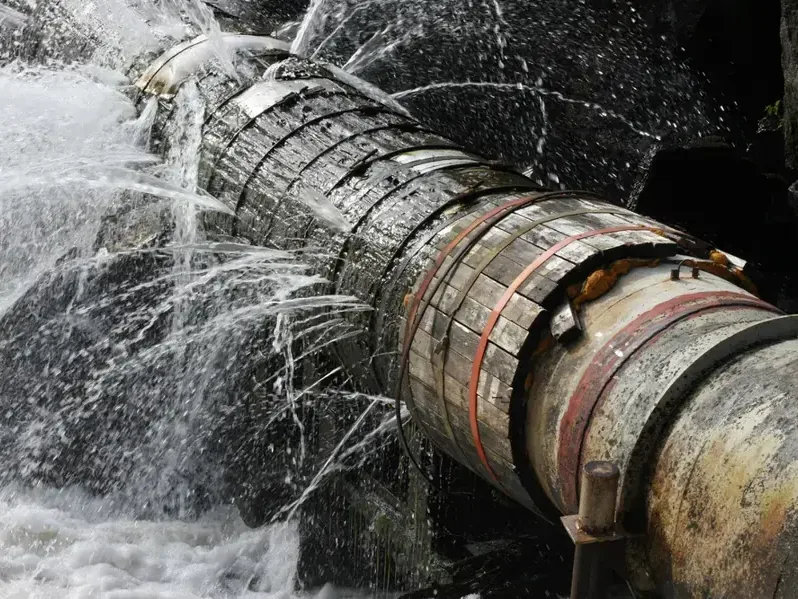
Burst Pipe Water Damage in Owasso
A stopped pipe release still leaves wet cavities that need measured drying and documented access.
Read about burst pipe water damage ›Water Extraction questions in Owasso, OK
Can water remain after the floor looks clear?
Yes. An extraction pass removes accessible water, but porous finishes and joints can still hold moisture. The next assessment looks at wall bases, floor layers and transitions. Material readings help separate a surface that merely looks dry from an assembly ready for the next repair or finish decision.
Should apartment residents move belongings into the corridor?
Wet belongings should not be carried into shared circulation space without a plan. They may spread water and restrict access for other residents or equipment. Management can identify a suitable staging area, and photographs should record the condition of affected items before they are moved or removed from the unit.
What if the leak is still adding water?
The source needs prompt attention from the appropriate trade or responsible building contact. Extraction may limit existing pooling, but continuing inflow can keep soaking the same materials. The assessment should record whether the release is active and coordinate water removal with the work needed to stop it.
Does every carpet need to be discarded?
The decision depends on the water source, duration, material condition and what happened underneath. Carpet, cushion and the supporting floor may require different actions. An assessment should explain which layers are recoverable and why, instead of treating the visible carpet surface as a complete picture of the loss.
Can occupants walk through a shallow puddle?
Even shallow pooling can present hazards. Electrical equipment, slippery flooring, sharp debris and the source of the water all matter. Occupants should use a dry route and keep clear of the affected area until it has been assessed. A doorway photograph can document pooling without crossing the room.
How are rooms prioritized during removal?
The work sequence considers safety, active water movement, pooling and the materials at risk. Access to each room also matters in shared buildings. The proposed order should be explained to the owner or manager so contents movement, tenant entry and source repair do not work against each other.
Will extraction pricing include replacement flooring?
Replacement flooring is usually a separate scope that follows an assessment of the underlying materials. The written estimate should distinguish removal of water, drying, necessary material removal and rebuilding. That separation helps the owner understand the urgent work while allowing later repair choices to reflect the measured condition.
What record should remain when equipment leaves?
The work record should identify rooms treated, water removed, materials still needing drying and any spaces that could not be accessed. Photos and moisture notes make the handoff more useful. Owners can then coordinate the next trade using the actual condition of the affected rooms rather than appearance alone.
Move from standing water toward recovery
An extraction assessment connects the visible puddle with the floor edges, belongings and materials needing continued attention after removal.
(888) 619-9509Request a water removal assessment