Appliance Leak Water Damage in Owasso
A puddle beside a washer or dishwasher can hide water under equipment and cabinetry. Cleanup starts by stopping use of the leaking appliance and identifying the surfaces beyond the visible spill.
(888) 619-9509Explain the appliance spill pattern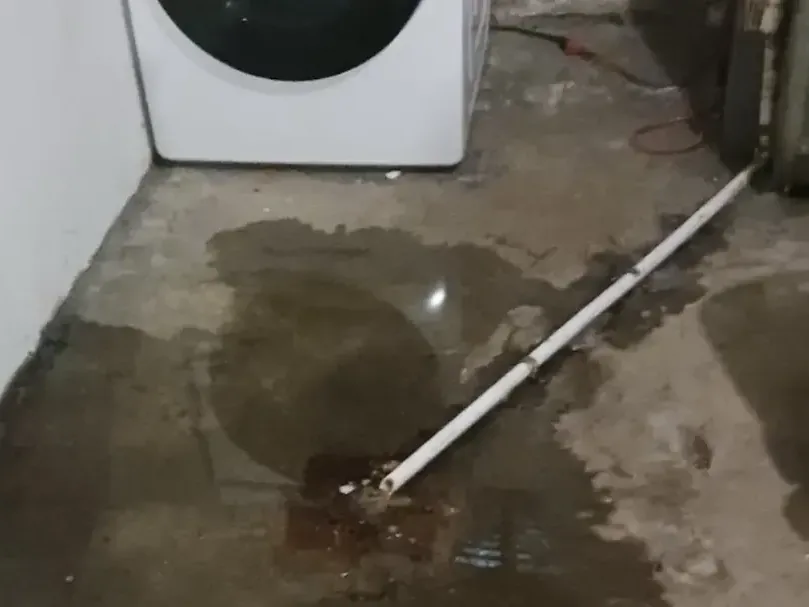
At the 2020 Census, 64.6% of occupied Owasso housing units were owner occupied and 35.4% were renter occupied. That mix makes responsibility and access practical questions after an appliance leak: an owner may arrange equipment service directly, while a renter also needs management coordination for work on the surrounding building materials.
How appliance leak water damage progresses
Establish spill conditions
The assessment records the appliance involved, visible water path and current source status. It also notes management permissions, contents and connection constraints that influence safe access beneath the equipment.
Inspect floor and cabinets
Accessible edges and concealed spaces are examined for pooling, swelling and trapped moisture, with removal decisions explained by the materials actually affected.
Dry retained layers
The drying arrangement accounts for restricted spaces under equipment or cabinetry and uses measurements to identify surfaces needing additional exposure or continued treatment.
Coordinate the return
Source service, final material readings and remaining repairs are documented before equipment placement or storage hides the assessed floor and wall areas.
First steps for appliance leak water damage
- 1Stop the equipment cycle. The appliance remains out of use while the property contact arranges source service and reports any continuing release around its connections.
- 2Describe concealed edges. The caller identifies adjacent cabinets, floor seams and rooms that may have received water beyond the visible kitchen or laundry puddle.
- 3Arrange authorized access. Equipment movement and cabinet access are coordinated with the appropriate contact before the inspection reaches behind fixed or heavy items.
- 4Record the drying boundary. The plan preserves inspection points until moisture checks support closing the affected assembly.
Follow the spill beneath fixed edges
Kitchen and laundry equipment can hide the first wet area. Water may run under a cabinet toe space or collect beneath flooring while only a narrow puddle remains visible. The assessment should note where the leak appeared, whether the appliance was operating and which adjacent surfaces changed before equipment is moved.
- Stop using the leaking appliance and report any continuing water release.
- Keep clear of wet plugs, receptacles and controls around the equipment.
- Photograph cabinet bases, floor seams and belongings reached by the spill.
- Arrange suitable assistance before moving heavy equipment or disturbing its connections.
The Village is an apartment setting where access to the appliance and permission for building work may involve management. A resident's photographs can help show the initial spill without replacing an inspection beneath equipment. The authorized contact should understand which surfaces need assessment and whether the source trade must assist with access.
Describe the appliance, the first wet surface and any water beyond the kitchen or laundry area. Include management contacts and equipment access limits when arranging the material assessment.
(888) 619-9509Discuss water beneath the applianceSeparate appliance service from material recovery
A repaired hose, connection or appliance component stops the source problem. The floor layers and cabinetry already wetted still need a separate material assessment. The cleanup scope should identify the materials involved and explain how accessible pooling, trapped moisture and physically damaged finishes will each be addressed.
- Record the equipment status and the visible route of escaped water.
- Expose necessary floor or cabinet edges through coordinated safe access.
- Remove pooled water and assess affected porous materials for retention.
- Track moisture before returning equipment or closing concealed floor areas.
A laundry or kitchenette in a Redbud District office may share a floor with occupied work areas. A similar spill at a commercial site along U.S. Highway 169 can affect storage or inventory. The manager should identify those uses early so contents protection and equipment movement have a defined route.
Cabinet finishes can conceal swollen base material or damp wall sections behind the unit. Inspection should consider the whole contact area rather than relying on the cabinet door face. If removal is proposed, the explanation should connect it with damage, contamination or access required to dry the retained assembly.
Safe access comes first
The restoration crew checks electrical exposure, overhead stability and the water source before entering the wet area. Occupants keep clear of sagging ceilings and contaminated floors. A qualified professional isolates affected circuits from a dry location. These checks precede extraction because standing water can conceal damage that a surface inspection misses.
Return the room in a deliberate sequence
After the source is serviced, measurements help determine whether drying can continue with the appliance in position or whether additional access is necessary. The plan should preserve needed airflow and inspection points. Replacing contents or equipment too early can make a concealed wet section difficult to track.
Documentation should connect the initial spill, source repair and final material condition. The hardwood floor service covers wood specific recovery decisions, while the extraction page explains removal when pooling extends beyond the equipment area and into another room.
- Keep appliance service findings with the photographs of surrounding water damage.
- List cabinet or floor components removed for damage or drying access.
- Identify any wet area that remains blocked by fixed furnishings.
- Agree on the condition required before equipment and stored contents return.
The owner or manager should receive a clear account of the retained materials and outstanding repair tasks. That record makes the next equipment placement or finish decision easier to coordinate.
What does appliance leak water damage cost in Owasso, OK?
Appliance leak cleanup in Owasso depends on cabinet access, floor layers and the spill footprint. These ranges describe water damage work; appliance service and replacement fixtures or finishes should be stated separately.
Open laundry spill
$500 to $1,200
- Accessible water
- Open surfaces
- Limited handling
Cabinet-edge intrusion
$1,200 to $2,500
- Concealed bases
- Selective access
- Material checks
Hidden floor spread
$2,500 to $4,000
- Layered materials
- Adjoining rooms
- Focused drying
These planning ranges are estimate only. Water category, affected area, material class and the delay before extraction change the scope. The water damage cost calculator explores those variables.
Careful decisions for appliance leak water damage
Rapid local response
The response team assesses active water, access and source control during 24/7 dispatch. Arrival depends on current conditions and the work required at the property.
IICRC S500 drying standard
The drying technician compares wet assemblies with suitable dry references and adjusts dehumidification to the material load. A dry surface alone does not close the job.
Claim-ready documentation
The mitigation team records initial damage, material decisions, equipment and daily readings. The property owner retains a clearer account of the loss for the insurance review.
Local water experts
The contractor checks the actual building and the reported source before choosing a method. Indoor supply releases, contaminated outside water and backed-up drains require different handling.
Appliance leak water damage in Owasso
Appliance water assessments serve Owasso homes and work spaces near The Village, the Redbud District and U.S. Highway 169, with source access arranged appropriately.
The same service nearby: appliance leak water damage in Sand Springs, Sperry, Oakhurst.
Related water damage services in Owasso
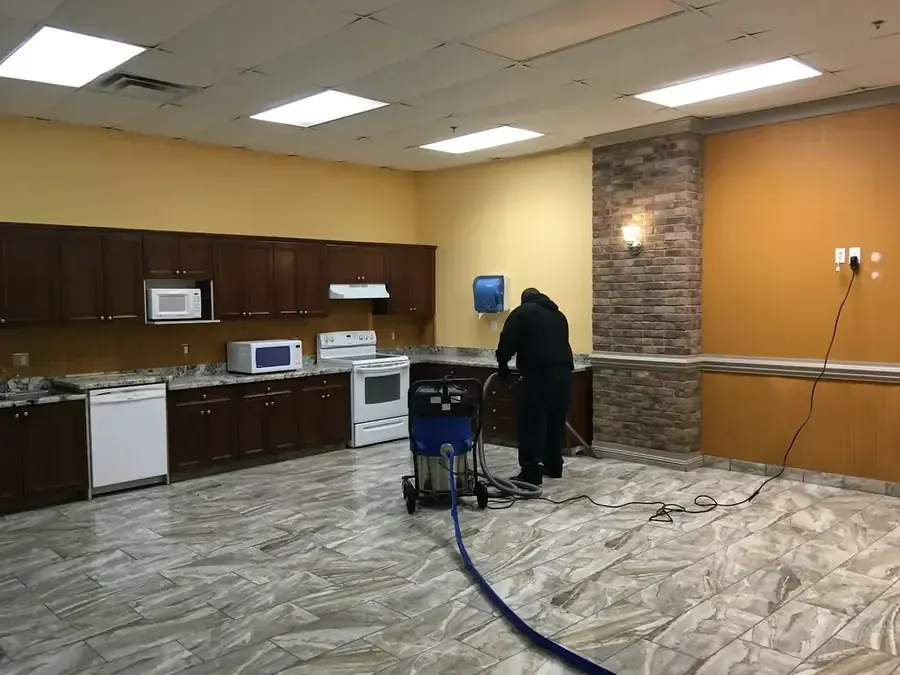
Water Extraction in Owasso
Extractors remove pooled water before the drying equipment tackles moisture inside floors and walls.
Read about water extraction ›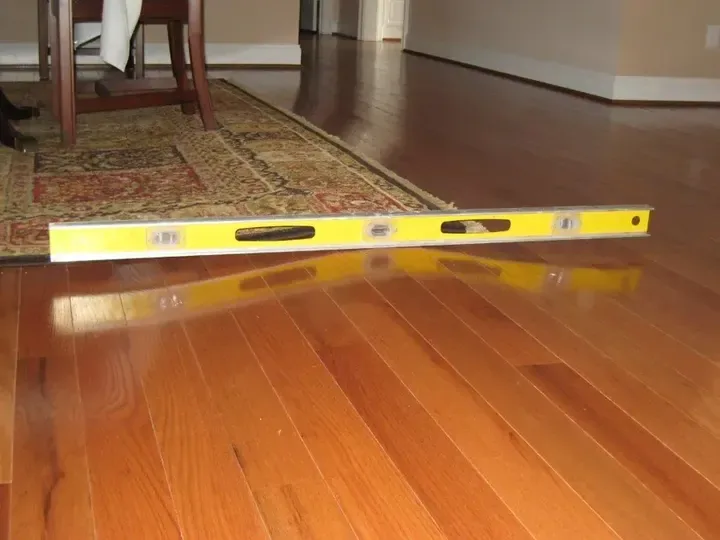
Hardwood Floor Water Damage in Owasso
Board movement and subfloor readings determine whether targeted floor drying remains appropriate.
Read about hardwood floor water damage ›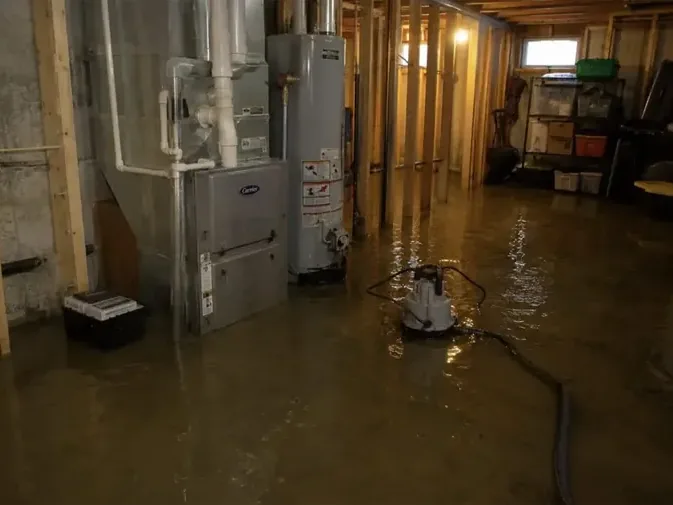
Water Heater Leak Cleanup in Owasso
Tank spills can travel beneath partitions beyond the visible puddle around the heater.
Read about water heater leak cleanup ›Appliance Leak Water Damage questions in Owasso, OK
Can a small appliance puddle hide broader damage?
Yes. Water can move beneath equipment, cabinets or floor coverings before a small amount appears in the open room. The assessment should follow seams and adjacent edges rather than estimating damage from puddle size alone. Inspection access and material readings help establish which surfaces belong in the cleanup plan.
Should a renter pull the appliance out immediately?
Heavy equipment and its connections can create additional hazards when moved without suitable help. A renter should notify management, stop using the leaking appliance and describe the affected surfaces. The authorized contact can coordinate source service and access so the floor behind or beneath the equipment can be assessed appropriately.
Does fixing a supply connection finish the job?
The connection repair stops the leak, while cleanup addresses water already absorbed by building materials. The floor, wall base and nearby cabinet can remain wet afterward. A separate material assessment explains whether extraction, drying or selective removal is needed before the appliance and surrounding room return to normal use.
What if the cabinet looks normal from the front?
The face can remain intact while the base or wall behind it is wet. The inspection should consider accessible edges, underside material and the water path around the cabinet. Any proposed opening or removal should have a stated purpose, such as identifying damage or allowing retained construction to dry effectively.
Can fans dry water trapped under a floor covering?
Surface airflow may not reach a concealed layer through a restrictive finish. The installed materials and moisture readings determine whether drying in place is practical or whether access is needed. The assessment should explain how progress will be measured beneath or around the finish, rather than assuming airflow alone reaches it.
How should wet stored items be handled?
Items should be photographed and separated by material and exposure before movement. Dry belongings need a protected location outside the work route. Items that absorbed water may require different treatment from hard surfaces. The inventory should identify removal decisions clearly so the owner can connect each item with the original spill.
Will appliance replacement be included in cleanup pricing?
The written estimate should distinguish equipment service or replacement from the surrounding water recovery. Extraction, drying, cabinet access and floor repair can each have separate scopes. That clarity helps the owner or manager arrange the right trades and understand which work remains after the leaking appliance has been repaired or replaced.
When can equipment be pushed back into its space?
The source should be serviced and the concealed surfaces assessed before equipment blocks access again. If drying or further readings are still needed, the plan should preserve those inspection points. The closing record can explain the material condition and any remaining repair work that must precede final equipment placement.
Give hidden floor areas the attention they need
A coordinated cleanup plan connects equipment service with cabinet inspection, floor moisture checks and the remaining room repairs.
(888) 619-9509Request an appliance spill assessment