Appliance Leak Water Damage in Sperry
A damp cabinet corner may be the first sign of a hidden appliance leak. Sperry cleanup follows water beneath the machine and surrounding finishes before deciding which materials need access.
(888) 619-9509Describe the appliance water path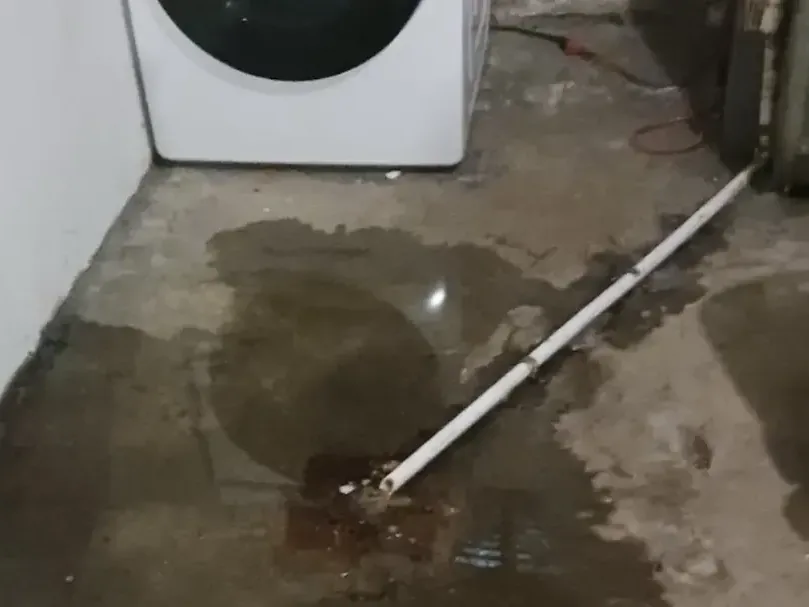
A machine can conceal its own leak. Water may collect beneath the appliance, pass into a cabinet base and reach an adjoining floor before any liquid appears in the open room. Cleanup needs to follow that hidden route, especially where fixed cabinetry and layered flooring limit the surfaces that can be inspected directly.
How appliance leak water damage progresses
Relate the machine to the damage
The inspection connects reported filling or discharge behavior with wet cabinet bases, floor transitions and nearby walls, while the appropriate trade determines the appliance or connection repair.
Expose the obstructed area
Planned movement or trim access allows inspection beneath the equipment and around fixed edges without treating electrical or plumbing disconnection as ordinary cleanup work.
Treat the wet layers
Accessible liquid is removed, unsuitable material is identified and retained assemblies receive a drying arrangement suited to the actual floor and cabinet construction.
Clarify the return to use
The handoff records moisture conditions and remaining finish damage, separating the appliance's operating status from the readiness of the building materials beneath and around it.
First steps for appliance leak water damage
- 1Stop using the affected machine. Continued operation may add water while the source awaits diagnosis, especially when the spill appears during filling or draining.
- 2Report concealed warning signs. Damp trim, swollen cabinet bases and lifted floor seams help identify spread that may remain hidden beneath the appliance.
- 3Coordinate safe movement. Connections and electrical conditions should be assessed before the unit is shifted to expose wet surfaces behind or beneath it.
- 4Photograph the original arrangement. Images before cabinet access connect visible damage to the release and surfaces later exposed for drying.
Use the appliance cycle to inform source diagnosis
The owner may notice water during filling, draining or after a machine has stopped. Those observations help an appliance or plumbing professional investigate the source. Restoration assessment focuses on what the escaped water contacted, including wall bottoms behind the unit and floor layers that remain wet after the visible spill is wiped away.
Sperry has a residential growth history linked to its 1964 water system connection. The present layout of each kitchen or laundry determines access for cleanup. Properties described using State Highway 11 or Osage Prairie Trail still need an individual inspection of appliance placement, cabinet construction and the flooring beneath the affected equipment.
- Swelling at a cabinet base may expose damage from a concealed recurring release.
- A wet doorway can indicate movement beneath flooring from another part of the room.
- Supply water and appliance discharge require assessment of their different contact conditions.
- Water near electrical connections changes how the machine can be approached or moved.
Equipment should not be pulled across a wet floor without considering its connections and weight. A coordinated disconnection or movement plan may be needed before the surface beneath it can be inspected. The scope should identify who handles that work and how access will be maintained during the building cleanup.
Explain when the appliance leaks and which cabinet edges or floor seams have changed. That description helps focus inspection of areas the machine may be hiding.
(888) 619-9509Describe the spill around the machineLook beneath fixed edges and layered finishes
Cabinet plinths, toe spaces and floor transitions can obstruct both inspection and drying. A narrow opening at the front may reveal only part of a wet base. Moisture measurements and material condition help decide whether more access is necessary to treat the assembly, rather than placing equipment in the room and leaving hidden areas unexamined.
- Document the reported appliance behavior and visible water locations.
- Coordinate safe access to connections and the surface beneath the unit.
- Inspect cabinet bases, wall edges and connected flooring for concealed spread.
- Remove unsuitable layers and measure retained materials during drying.
Laminate surfaces, cabinet cores and supporting floor materials can react differently to the same spill. Swollen or separated components may need replacement even after moisture is removed. The work description should separate physical damage from the remaining drying need so the owner understands why some materials stay and others cannot be restored in place.
Safe access comes first
The restoration crew checks electrical exposure, overhead stability and the water source before entering the wet area. Occupants keep clear of sagging ceilings and contaminated floors. A qualified professional isolates affected circuits from a dry location. These checks precede extraction because standing water can conceal damage that a surface inspection misses.
Prevent the visible puddle from defining completion
Delaware Creek belongs to the early town setting, while the path of an appliance release is established indoors. A useful damage account follows the machine, adjoining cabinet and nearest floor transition. Photographs before equipment movement help explain how water traveled through areas that become difficult to recognize after cleanup or disassembly.
The repaired appliance and the recovered room have separate completion criteria. A functioning machine may sit over a damp subfloor, and a dry cabinet surface may cover damaged inner material. Final records should identify the retained layers checked and any replacement or installation assessment needed before the unit returns to ordinary use.
- Keep appliance repair findings with the room damage photographs.
- Record concealed surfaces exposed when the machine or cabinet trim is moved.
- Explain additional access before removing intact but obstructing finishes.
- List remaining cabinet or floor repair separately from the drying equipment stage.
When wood boards are affected, hardwood floor recovery addresses movement and retained moisture. Other indoor releases appear on the town cleanup page.
What does appliance leak water damage cost in Sperry, OK?
Appliance leak cleanup in Sperry ranges from $500 to $4,000. Cabinet access, wet floor layers and concealed spread affect the proposal, while machine repair and replacement finishes should have separate scope descriptions.
Open laundry spill
$500 to $1,200
- Accessible liquid
- Surface extraction
- Perimeter checks
Cabinet-edge intrusion
$1,200 to $2,500
- Base access
- Material assessment
- Targeted exposure
Hidden floor spread
$2,500 to $4,000
- Layer inspection
- Connected rooms
- Retained floor drying
These planning ranges are estimate only. Water category, affected area, material class and the delay before extraction change the scope. The water damage cost calculator explores those variables.
Careful decisions for appliance leak water damage
Rapid local response
The response team assesses active water, access and source control during 24/7 dispatch. Arrival depends on current conditions and the work required at the property.
IICRC S500 drying standard
The drying technician compares wet assemblies with suitable dry references and adjusts dehumidification to the material load. A dry surface alone does not close the job.
Claim-ready documentation
The mitigation team records initial damage, material decisions, equipment and daily readings. The property owner retains a clearer account of the loss for the insurance review.
Local water experts
The contractor checks the actual building and the reported source before choosing a method. Indoor supply releases, contaminated outside water and backed-up drains require different handling.
Appliance leak water damage in Sperry
Appliance leak assessments serve Sperry homes in 74073, with kitchen or laundry access and nearby floor connections described during intake for properties around the business district.
The same service nearby: appliance leak water damage in Sand Springs, Owasso, Oakhurst.
Related water damage services in Sperry
Hardwood Floor Water Damage in Sperry
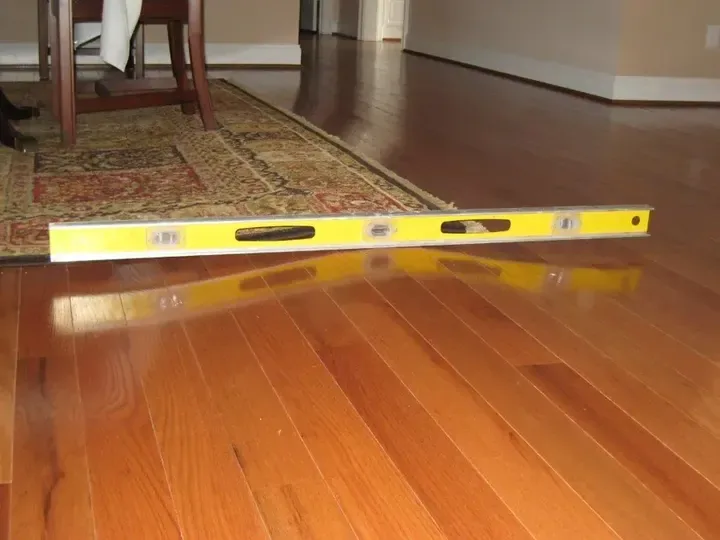
Board movement and subfloor readings determine whether targeted floor drying remains appropriate.
Read about hardwood floor water damage ›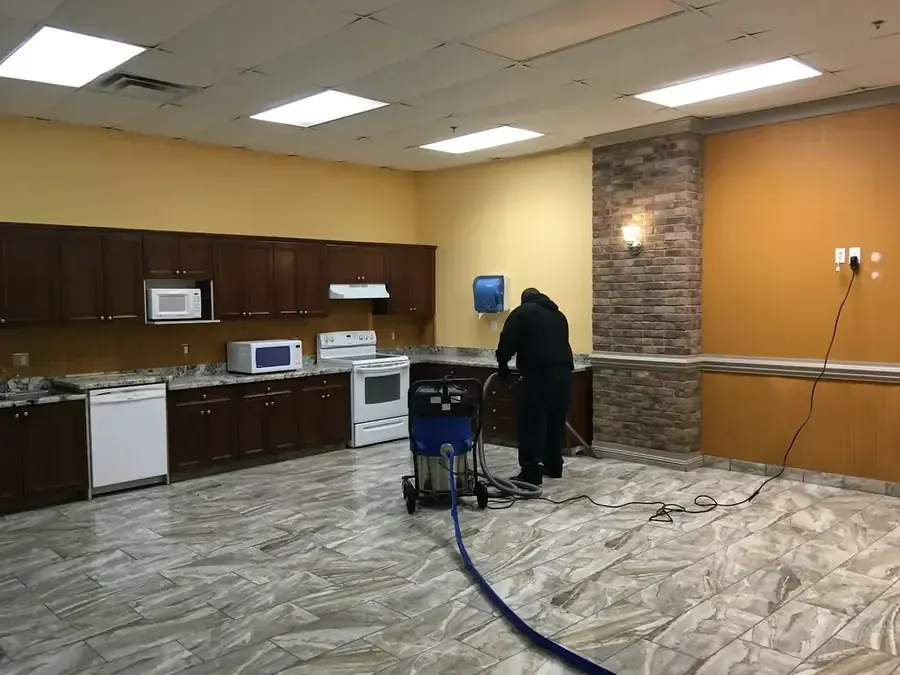
Water Extraction in Sperry
Extractors remove pooled water before the drying equipment tackles moisture inside floors and walls.
Read about water extraction ›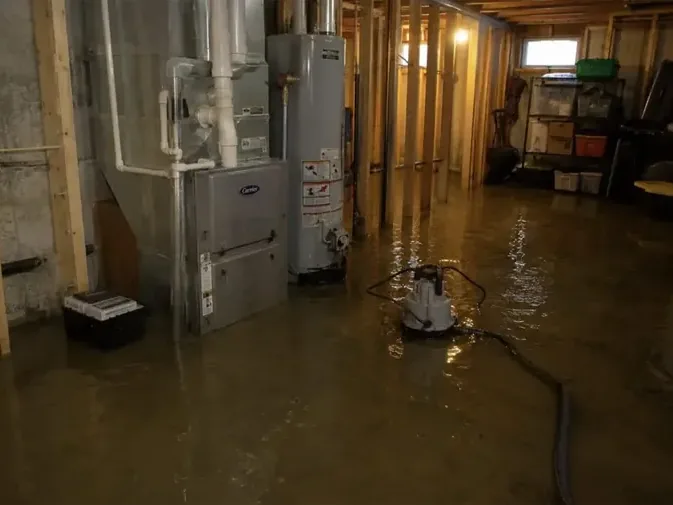
Water Heater Leak Cleanup in Sperry
Tank spills can travel beneath partitions beyond the visible puddle around the heater.
Read about water heater leak cleanup ›Appliance Leak Water Damage questions in Sperry, OK
What if the leak only appears during a machine cycle?
The timing is useful for source diagnosis because filling and draining involve different parts of the appliance and its connections. The machine should remain unused when operation causes another spill. Restoration inspection then checks the materials already affected, including concealed areas that may stay wet between cycles even when the visible floor dries.
Can the appliance be pulled out immediately?
Movement should account for electrical conditions, connected hoses or drains and the weight of the unit. An unplanned move can disturb connections or damage the floor. The work plan should coordinate safe access with the appropriate trade, then inspect the surface beneath the machine and any water that reached surrounding cabinets or walls.
Why inspect cabinets beside a laundry or kitchen spill?
Cabinet bases and concealed toe spaces can absorb water or hide its movement beneath the finish. Swelling may appear before a large puddle becomes visible. Inspection should determine whether the material remains suitable to retain and whether the wet area can be reached for treatment without leaving concealed layers behind an intact front surface.
Does clean supply water make every material salvageable?
Material condition and access still matter after a supply release. A cabinet core may swell, adhesive may loosen or moisture may remain beneath a glued floor. The assessment should consider those changes separately from the water source, explaining which materials can be treated and which are physically damaged or inaccessible for effective drying.
Can the machine operate while the floor dries?
That depends on source repair, electrical safety and the equipment arrangement around the affected area. Operation may obstruct access or add moisture if the problem remains unresolved. The work plan should identify when normal use is appropriate, keeping appliance function separate from the condition of the floor and wall materials still being treated.
Why does the wet area extend across a doorway?
Water can follow the underside of flooring or a low point through the room before emerging at a transition. The visible doorway symptom may therefore be separated from the machine that leaked. Mapping adjoining materials helps define the restoration boundary and prevents the inspection from stopping at the appliance's immediate footprint.
Will swollen cabinets return to their original shape?
Drying removes moisture from suitable retained material, but it does not necessarily reverse swelling, separation or other physical damage. Cabinet construction and the extent of the change affect the repair decision. The proposal should identify remaining damage and distinguish replacement work from the moisture treatment performed on nearby framing or floor layers.
What should the cleanup record include?
A useful record combines the source findings with photographs before equipment movement, observations of exposed floor and cabinet layers, and moisture readings from retained materials. The final scope should also identify repair tasks still needed. This makes the relationship between the machine leak, concealed spread and subsequent building work easier to assess.
Reach the moisture beneath fixed surfaces
The cleanup plan should connect safe appliance access with the cabinet, wall and floor layers affected beyond the visible puddle.
(888) 619-9509Discuss concealed appliance water damage