Hardwood Floor Water Damage in Sperry
Raised board edges can outlast the puddle that caused them. Sperry hardwood floor assessment examines movement, moisture and supporting layers before deciding whether controlled drying can preserve the affected flooring.
(888) 619-9509Describe the changes in the boards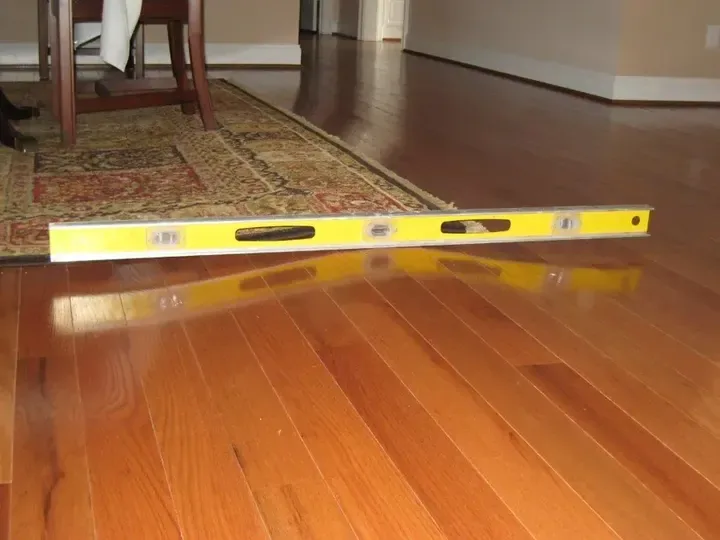
A wood floor may show raised edges, gaps or a changed feel underfoot after water exposure. Those symptoms need an assessment of the boards and the layers beneath them. The visible finish cannot reveal whether water remains against the underside, whether the supporting floor is wet or whether physical damage limits the possibility of recovery.
How hardwood floor water damage progresses
Assess the installed wood floor
Inspection relates board movement to the release area and distinguishes board readings from measurements of supporting materials beneath the finish.
Define suitable recovery areas
Material condition, water contact and access determine where controlled drying is appropriate, with removal or opening explained where damaged layers prevent effective treatment of the retained assembly.
Track the floor's response
Repeat observations and material readings document change at identified locations, allowing the equipment plan or access method to respond when the installed layers are not progressing as expected.
Coordinate the flooring handoff
The record distinguishes moisture treatment from remaining board distortion and finish damage, giving the flooring trade a clear basis for assessing repair, refinishing or replacement needs.
First steps for hardwood floor water damage
- 1Record the changed board shape. Seam photographs record cupping, gaps and movement before furniture relocation or repairs alter the floor.
- 2Avoid premature sanding. The floor's moisture condition and stability should be assessed before a finish procedure removes material from boards that are still changing.
- 3Describe the supporting layers. Access below the floor and installation details help determine how concealed moisture can be reached.
- 4Separate moisture and damage. The proposal should explain which areas remain suitable for drying and which boards or layers have physical damage requiring another repair decision.
Read movement alongside the moisture pattern
The inspection records where board shape changed and compares that area with the reported release. A damp perimeter beside a wall may connect to a larger wet section below the finish. Measurements should identify the material being assessed, because a surface observation and a reading in the supporting assembly answer different questions about the floor's condition.
Sperry's residential history includes growth during the 1960s and annexation of adjacent areas during the 1970s. Current flooring installation requires direct inspection at each property. Homes described near Osage Prairie Trail, State Highway 11 or Hominy Creek may have different floor layers, access and repair options within their individual rooms.
- Cupped boards need assessment of both their moisture condition and existing physical distortion.
- A finished surface can cover damp underlayment or a wet supporting floor.
- Adhesives, fasteners and board construction influence access to moisture beneath the installation.
- Water condition affects whether flooring is suitable to retain for drying at all.
Describe raised edges, gaps and the original water source, along with any access beneath the floor. Those details help focus an assessment of the installed assembly.
(888) 619-9509Explain the board movement and wet areaChoose a recovery method for the installed assembly
Controlled floor drying may be appropriate when the material, contamination conditions and access support it. The equipment arrangement should target the wet layer and provide a way to evaluate progress. Where finishes or installation layers obstruct effective treatment, selective access or removal may be necessary before the supporting material can be addressed.
- Document board shape and identify the water source and contact area.
- Assess installation details and moisture in accessible supporting layers.
- Select suitable retained areas and explain any required opening or removal.
- Track material response before repair, sanding or replacement decisions proceed.
Refinishing is a separate judgment from moisture removal. Sanding an unstable wet floor can alter the surface before the boards have reached an appropriate condition for evaluation. The flooring professional should assess remaining movement and the chosen finish process after the restoration record establishes what was treated and how the retained assembly responded.
Safe access comes first
The restoration crew checks electrical exposure, overhead stability and the water source before entering the wet area. Occupants keep clear of sagging ceilings and contaminated floors. A qualified professional isolates affected circuits from a dry location. These checks precede extraction because standing water can conceal damage that a surface inspection misses.
Keep expectations tied to the floor's actual condition
Drying can remove absorbed water from suitable wood, but it does not assure that every board returns to its original shape. Existing distortion, separation or surface damage may still require repair. A useful scope identifies those limitations through the observed material condition and explains why a particular area is being retained or removed.
Delaware Creek is part of the town's early settlement geography, while a floor loss is mapped through the affected room. Photographs of board edges, transitions and furniture placement help preserve that indoor pattern. Measurements at documented locations then show whether the moisture condition changes across the same area during treatment.
- Separate board readings from observations about the supporting floor or underlayment.
- Keep source repair details with the original photographs of floor movement.
- Explain access changes where the installed finish conceals a wet layer.
- List remaining flooring trade decisions at the end of the drying stage.
The appliance leak service covers a common indoor source pattern. For the broader moisture process, structural drying explains material tracking and equipment adjustments before rebuilding.
What does hardwood floor water damage cost in Sperry, OK?
Hardwood floor water damage cleanup in Sperry ranges from $1,200 to $5,500. Installation layers, contamination and drying access affect the scope, while refinishing and replacement require separate flooring decisions.
Limited clean-water area
$1,200 to $2,200
- Localized boards
- Moisture assessment
- Focused recovery
Several wet floor layers
$2,200 to $3,800
- Subfloor checks
- Layer access
- Material tracking
Complex floor recovery
$3,800 to $5,500
- Restricted installation
- Selective removal
- Broader drying arrangement
These planning ranges are estimate only. Water category, affected area, material class and the delay before extraction change the scope. The water damage cost calculator explores those variables.
Careful decisions for hardwood floor water damage
Rapid local response
The response team assesses active water, access and source control during 24/7 dispatch. Arrival depends on current conditions and the work required at the property.
IICRC S500 drying standard
The drying technician compares wet assemblies with suitable dry references and adjusts dehumidification to the material load. A dry surface alone does not close the job.
Claim-ready documentation
The mitigation team records initial damage, material decisions, equipment and daily readings. The property owner retains a clearer account of the loss for the insurance review.
Local water experts
The contractor checks the actual building and the reported source before choosing a method. Indoor supply releases, contaminated outside water and backed-up drains require different handling.
Hardwood floor water damage in Sperry
Hardwood assessments serve Sperry properties in 74073 where installed wood flooring has changed after water exposure, with room connections and available access beneath the floor shaping inspection.
The same service nearby: hardwood floor water damage in Sand Springs, Owasso, Oakhurst.
Related water damage services in Sperry
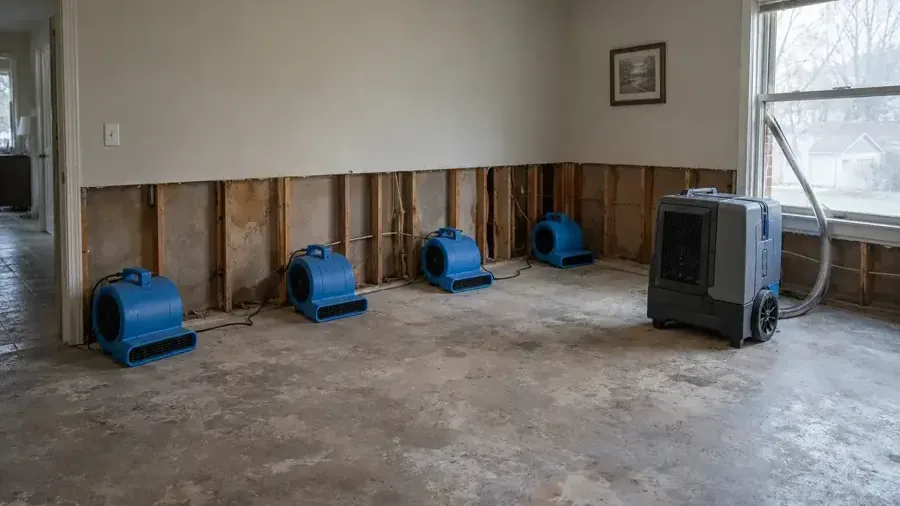
Structural Drying in Sperry
Material readings direct dehumidification until the assembly reaches a defensible drying goal.
Read about structural drying ›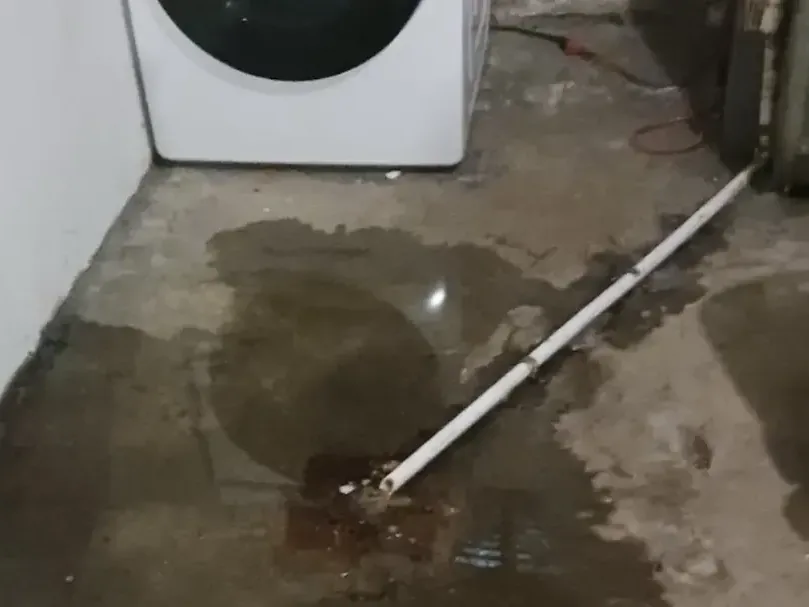
Appliance Leak Water Damage in Sperry
Hidden water beneath cabinets and appliances often demands access below the finished floor.
Read about appliance leak water damage ›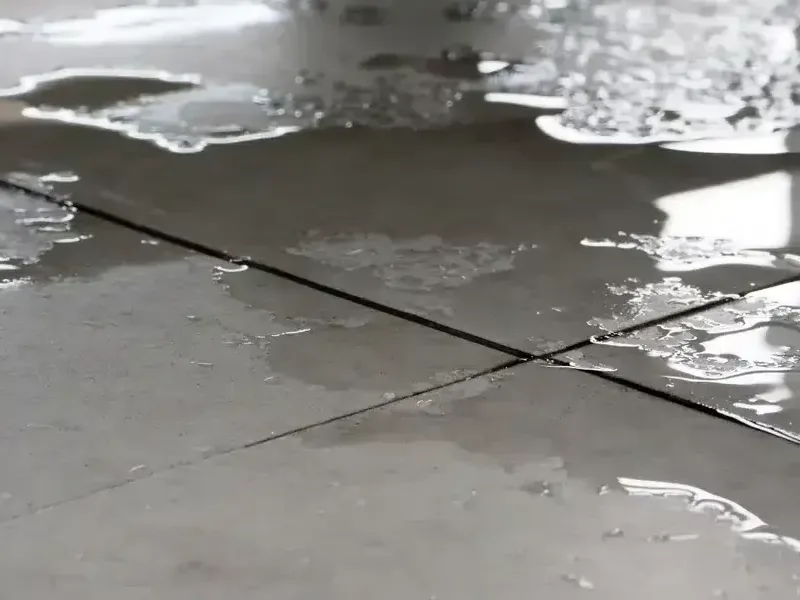
Slab Leak Water Damage in Sperry
Moisture beneath flooring needs a mapped drying plan after a plumber controls the concealed supply leak.
Read about slab leak water damage ›Hardwood Floor Water Damage questions in Sperry, OK
Can cupped boards flatten during drying?
Board movement may change as moisture conditions change, but the outcome depends on the flooring and the extent of damage. The assessment should document shape and readings over time. Drying suitability and final repair are separate decisions, so remaining distortion needs evaluation before promising that every board can return to its original appearance.
Why check beneath a floor that feels dry?
The surface finish can conceal moisture against the underside of the boards or within supporting layers. Touch alone cannot describe that condition. Inspection and appropriate measurements help determine whether the assembly needs access or continued drying, especially where an installed layer prevents room airflow from reaching the area that absorbed the water.
Should sanding begin while the edges remain raised?
A flooring professional should evaluate moisture and stability before sanding. Removing material from boards that are still changing can affect the later surface condition. The restoration stage should first document the retained assembly's response, then hand over remaining movement and finish concerns for a repair decision based on the floor's actual condition.
Does installation method affect the cleanup scope?
Yes. Fasteners, adhesives, underlayment and the supporting surface influence how moisture can be reached and measured. Different assemblies may require different access even within the same property. The proposal should identify the construction that was inspected and explain why a selected method can treat the wet layer or why removal is necessary.
Can flooring exposed to wastewater be dried in place?
Contamination must be assessed before choosing retention. Wastewater can contact concealed joints and absorbent layers that are difficult to clean throughout. A drying setup does not replace the required contamination decisions. The scope should explain which materials are suitable to remain and how affected surfaces will be reached before any recovery method is selected.
Why photograph the boards before moving furniture?
Furniture placement can conceal the water boundary or show where moisture collected around a base. Photographs preserve that pattern and the original board condition before access work changes the room. Later images and readings can then be related to the same locations, making the reason for treatment or removal easier to understand.
Will replacement flooring be part of the drying quote?
The written proposal should state whether replacement is included or requires a separate flooring scope. Moisture treatment, removal for access and final installation are different tasks. Clear descriptions help the owner understand what the equipment stage accomplishes and which decisions about matching, refinishing or replacing damaged boards remain afterward.
What information supports the final flooring decision?
The flooring trade benefits from source findings, photographs of movement, installation observations and material readings from the treated areas. The handoff should also describe removed layers and any inaccessible sections. Together, those records help distinguish a remaining moisture concern from physical damage or a finish issue that needs a separate repair approach.
Assess recovery before changing the floor surface
The next decision should reflect moisture readings, installation access and the condition of the boards intended to remain after cleanup.
(888) 619-9509Discuss the affected wood floor layers