Slab Leak Water Damage in Sperry
A damp floor that returns after wiping needs more than another towel. Sperry slab leak cleanup follows the hidden release into floor layers while plumbing diagnosis identifies the source.
(888) 619-9509Discuss the recurring floor moisture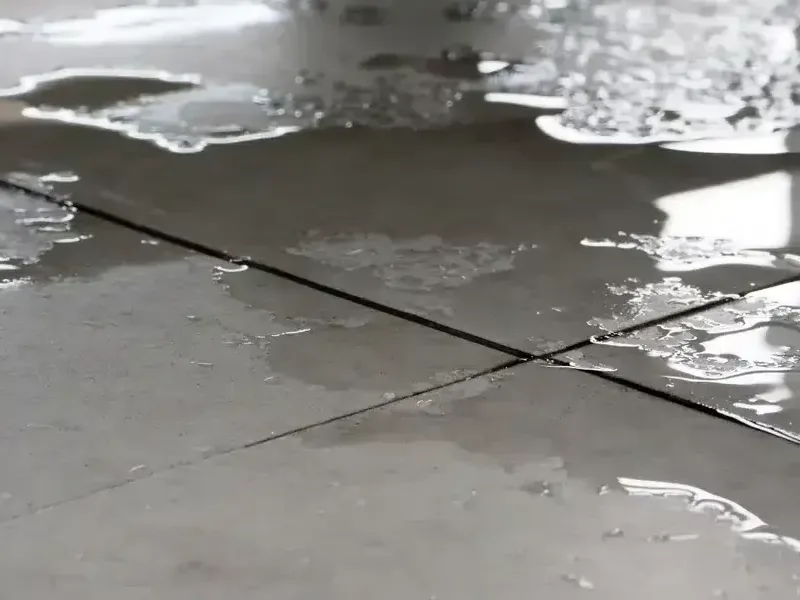
When dampness keeps appearing at the same floor joint, the damage boundary may extend beneath an otherwise intact finish. A concealed release can reach underlayment, adhesive or nearby wall bottoms before it creates a large puddle. The assessment must identify the foundation and floor construction before choosing where to inspect, open or dry the affected assembly.
How slab leak water damage progresses
Read the floor pattern
An inspection compares the recurring damp area with adjoining surfaces, checking the actual construction and identifying which layers could conceal water beyond the visible floor joint.
Coordinate the repair opening
Plumbing access and restoration access are considered together so the wet assembly can be inspected once the source work exposes it.
Dry suitable retained layers
Equipment and access are selected around the materials that remain, with moisture readings used to evaluate whether the method reaches the affected layer.
Explain installation readiness
The handoff identifies drying results and any additional flooring assessment needed before a replacement finish or adhesive covers the surface.
First steps for slab leak water damage
- 1Describe the recurring patch. The initial report should identify where dampness returns and whether nearby trim, cabinets or flooring have changed shape.
- 2Avoid covering the symptom. Rugs and replacement finishes can hide the wet boundary and make later inspection of the original damage more difficult.
- 3Arrange source diagnosis. A plumbing assessment determines the repair approach while restoration checks what the escaped water has affected inside the building.
- 4Keep repair records. Source findings and photographs help connect the concealed release to flooring changes and the subsequent drying scope.
Separate the pipe problem from the floor damage
Residential growth in Sperry followed its 1964 water system connection. An individual property's present construction determines the inspection approach. Homes described using State Highway 11, Osage Prairie Trail or Hominy Creek as reference points still need their own floor assessment, including installed layers, previous alterations and access to the suspected release.
A plumbing professional locates and repairs the source. Restoration work follows the moisture that has already escaped. Keeping those responsibilities clear avoids a common misunderstanding: repairing a concealed pipe does not remove water trapped beneath a floor covering or inside the bottom of a partition adjoining the repair area.
- Persistent damp seams deserve measurement even when the surrounding floor appears unchanged.
- Cabinet bases can hide moisture that traveled beyond the exposed repair opening.
- Different floor finishes may require different access methods within the same room.
- Nearby walls need checking where liquid collected against trim or partition edges.
A recurring floor patch, lifted seam or damp wall edge can help focus the first assessment. Describe those changes alongside any plumbing findings already available for the property.
(888) 619-9509Explain the persistent floor symptomChoose access that reaches the wet layer
Flooring removal should have a stated purpose. An opening may expose damp underlayment, permit inspection of a supporting surface or allow drying of a cavity. The proposal should explain what readings or material conditions justify that opening and which retained surfaces will become accessible once the obstructing layer is removed.
- Identify floor construction and map moisture around the reported symptom.
- Coordinate source repair before repeated water entry defeats the drying setup.
- Expose damaged or inaccessible layers where the assessment requires access.
- Track moisture in retained materials before replacement flooring is considered.
Concrete and the finishes above it need separate consideration. Installation readiness requires assessment of moisture beneath the exposed surface. The appropriate flooring trade should assess product requirements before adhesives, underlayment or a new finish conceal the area. Restoration records can document the conditions measured during the cleanup and drying stage.
Safe access comes first
The restoration crew checks electrical exposure, overhead stability and the water source before entering the wet area. Occupants keep clear of sagging ceilings and contaminated floors. A qualified professional isolates affected circuits from a dry location. These checks precede extraction because standing water can conceal damage that a surface inspection misses.
Keep the scope connected to measurable damage
A suspected slab leak can create uncertainty about how much flooring must be disturbed. A mapped assessment helps answer that concern by locating wet edges and distinguishing damaged material from adjacent unaffected areas. Where the boundary changes after an opening, the reason for additional work should be explained before the scope expands.
Delaware Creek belongs to the early settlement setting, while indoor source tracing depends on evidence inside the building. Reporting whether moisture returns during water use, appears beneath furniture or reaches a wall helps the plumbing and restoration assessments focus on the actual pattern rather than the room's appearance alone.
- Preserve photographs of the initial floor condition and source access opening.
- Keep plumbing findings separate from descriptions of damaged finishes.
- Record moisture locations so repeat measurements can show meaningful changes.
- Describe repairs still needed after extraction and drying equipment is removed.
Where wood flooring has moved, hardwood floor assessment addresses board condition. The Sperry cleanup hub connects concealed releases with other affected building areas.
What does slab leak water damage cost in Sperry, OK?
Slab leak water damage cleanup in Sperry has planning ranges from $1,500 to $6,000. Concealed spread, floor removal and the number of affected layers shape the restoration scope; plumbing diagnosis and repair should be described separately.
Limited edge damage
$1,500 to $2,500
- Perimeter access
- Moisture mapping
- Local exposure
Several floor layers
$2,500 to $4,000
- Finish removal
- Subsurface checks
- Controlled drying
Broader concealed spread
$4,000 to $6,000
- Connected rooms
- Partition inspection
- Expanded monitoring
These planning ranges are estimate only. Water category, affected area, material class and the delay before extraction change the scope. The water damage cost calculator explores those variables.
Careful decisions for slab leak water damage
Rapid local response
The response team assesses active water, access and source control during 24/7 dispatch. Arrival depends on current conditions and the work required at the property.
IICRC S500 drying standard
The drying technician compares wet assemblies with suitable dry references and adjusts dehumidification to the material load. A dry surface alone does not close the job.
Claim-ready documentation
The mitigation team records initial damage, material decisions, equipment and daily readings. The property owner retains a clearer account of the loss for the insurance review.
Local water experts
The contractor checks the actual building and the reported source before choosing a method. Indoor supply releases, contaminated outside water and backed-up drains require different handling.
Slab leak water damage in Sperry
Sperry properties in 74073 receive floor assembly assessments based on the actual wet area, with State Highway 11 serving as a useful access reference during intake.
The same service nearby: slab leak water damage in Sand Springs, Owasso, Oakhurst.
Related water damage services in Sperry
Structural Drying in Sperry
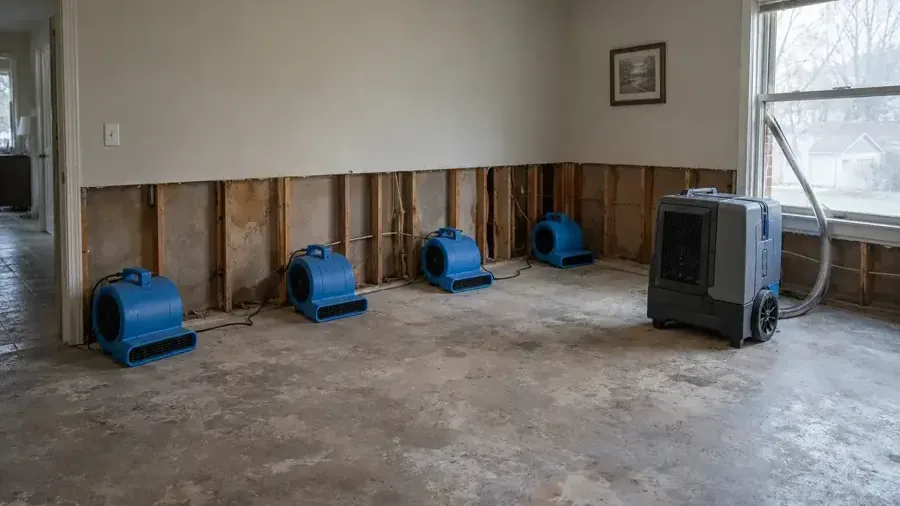
Material readings direct dehumidification until the assembly reaches a defensible drying goal.
Read about structural drying ›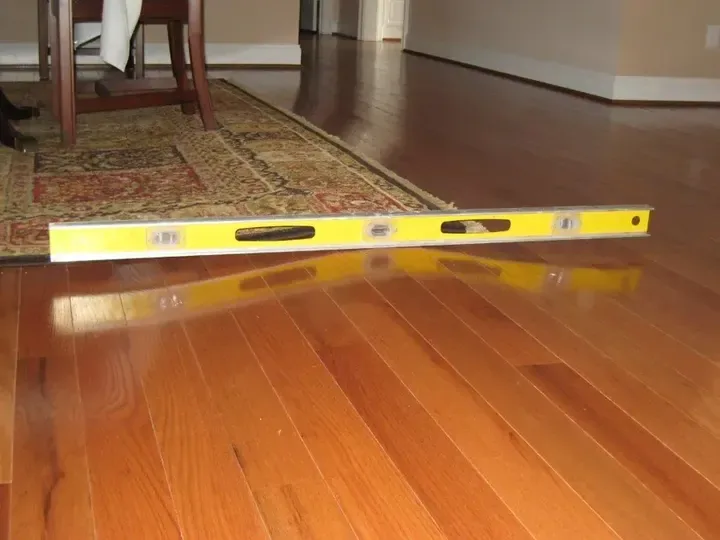
Hardwood Floor Water Damage in Sperry
Board movement and subfloor readings determine whether targeted floor drying remains appropriate.
Read about hardwood floor water damage ›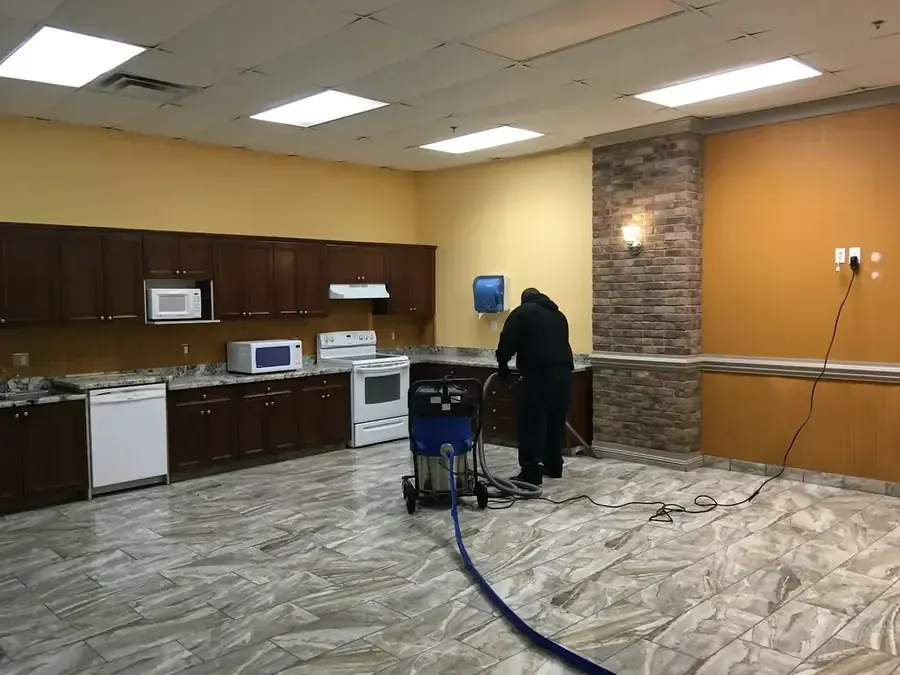
Water Extraction in Sperry
Extractors remove pooled water before the drying equipment tackles moisture inside floors and walls.
Read about water extraction ›Slab Leak Water Damage questions in Sperry, OK
Does a damp floor always indicate a slab leak?
Several sources can wet flooring, including appliance connections, wall plumbing and outside entry. A plumbing diagnosis is needed to identify a concealed pipe release. The restoration assessment can still document the wet materials and affected rooms while the source is being located, preventing the visible symptom from defining the entire scope.
Will the whole floor need to be removed?
Removal depends on the wet boundary, construction and material condition. Some layers block access to moisture beneath them, while others may remain suitable for drying. The scope should identify why each proposed opening is needed and distinguish access work from replacement of finishes that are already swollen, detached or otherwise damaged.
Can repair work and cleanup happen together?
The tasks can be coordinated when safe access and the repair sequence allow it. Source control prevents renewed wetting, while extraction and inspection address water already present. The work plan should clarify which trade handles the pipe and which steps concern the floor, adjoining walls and retained building materials.
Why are wall bottoms checked during a floor leak?
Water beneath a finish can reach partitions and be absorbed at their lower edges. Trim may hide that contact while the upper wall remains dry. Checking those areas helps identify whether the restoration scope needs limited wall access or whether the damage is confined to the floor assembly itself.
Can new flooring be installed immediately after the pipe repair?
The pipe repair only addresses the release. Moisture in the supporting surface or retained layers must be evaluated before a replacement finish is installed. The flooring professional should assess the chosen product's installation requirements, using appropriate testing rather than assuming that a clean looking surface is ready to be covered.
What records help explain concealed damage?
Photographs of the original symptom, the source opening and the exposed floor layers are useful. Moisture measurements should identify their locations and materials. Together with the plumbing findings, those records explain how the release affected the building and why access, material removal or an extended drying setup was proposed.
Does warm flooring change the assessment?
Unusual warmth is useful information for the plumbing diagnosis, especially when it occurs with persistent moisture. It does not replace source testing or an inspection of the affected assembly. The restoration scope still follows the actual wet layers and adjoining finishes, including areas that show damage without a noticeable temperature difference.
When does the drying equipment leave?
Equipment removal follows assessment of retained materials and the progress recorded at repeat measurement locations. Some surfaces may respond sooner than concealed or dense layers. The final handoff should explain the conditions reached, any unresolved material damage and the separate checks needed before replacement flooring or trim closes the area.
Resolve the source and the wet assembly
Cleanup planning connects the concealed release to the floor layers that need access, measurement and a practical path toward repair.
(888) 619-9509Discuss access beneath the affected finish