Storm Flood Cleanup in Sperry
When outside water crosses a threshold, mud and absorbed moisture can remain after the level drops. Sperry flood cleanup addresses entry routes, contaminated materials and safe access before drying.
(888) 619-9509Discuss outside water entry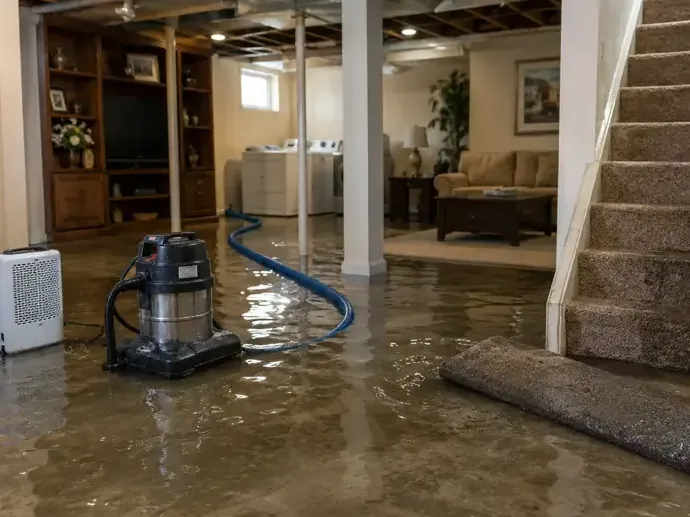
A receding flood leaves more than a wet floor. Sediment can settle inside corners, porous materials can absorb contaminated water and belongings can obstruct the route needed for cleanup. The first inspection must account for entry safety and the full water path before treating the building as a routine indoor spill.
How storm flood cleanup progresses
Establish a safe working route
Access planning considers the entrance, utilities and contaminated rooms, then identifies a path for equipment and removed materials that protects areas beyond the flood contact.
Clear water and debris
Extraction and sediment removal expose the affected surfaces so the inspection can distinguish cleanable materials from porous layers that require removal.
Prepare retained structure
Cleaning follows controlled material removal, with additional openings where trapped debris or wet layers prevent access to the surfaces that remain.
Measure the drying response
The equipment plan follows the cleaned assembly, and repeated readings show whether remaining moisture is responding before finish replacement is arranged.
First steps for storm flood cleanup
- 1Wait for safe access. Flooded roads, moving water and affected electrical equipment can prevent safe entry even when the interior damage appears limited.
- 2Describe entry points. The initial account should identify doors, exterior openings and the rooms where outside water or sediment became visible.
- 3Separate contaminated belongings. Soaked items should remain apart from clean possessions while their condition and handling requirements are assessed for the cleanup scope.
- 4Preserve event records. Photographs from safe positions and a written timeline help connect the outside entry to damaged materials and subsequent work.
Access conditions shape the first assessment
News On 6 reported Bird Creek flooding that closed State Highway 11 and State Highway 20 in the Sperry and Skiatook area. A school closure occurred during that episode as well. Road and entrance conditions therefore deserve attention when describing a property affected by outside water, alongside the rooms that are visibly wet.
Occupants should not enter moving water or an unsafe flooded building to gather photographs. A description from a secure location can identify whether water remains around the entrance, whether utilities may be affected and whether the interior level is still changing. Those details help establish what inspection can safely occur.
- Record exterior entry points when they can be observed without approaching floodwater.
- Keep contaminated shoes and belongings away from unaffected rooms and clean storage.
- Identify soaked wall edges, floor coverings and low cabinets contacted by the event.
- Leave unstable contents and electrical hazards for an appropriate safety assessment.
Report the exterior entry point, current access conditions and rooms reached by outside water. Those details help frame the first flood cleanup assessment.
(888) 619-9509Describe the entry and sedimentRemove the contamination along with the water
Extraction reduces the liquid volume, but a flood cleanup scope must also address what remains on and inside materials. Soil and debris can collect behind trim or beneath floor coverings. Accessible hard surfaces and absorbent layers need different handling decisions before airflow is introduced around the retained structure.
- Establish safe entry and document the apparent exterior water route.
- Remove standing liquid and sediment through a controlled working path.
- Assess porous finishes and contents for removal or suitable treatment.
- Clean accessible retained surfaces before setting up structural drying.
Hominy Creek and Delaware Creek form part of the early settlement setting. At a flooded property, the assessment follows the particular entry and contact pattern. The water may have crossed several rooms, entered only a low doorway or reached concealed layers through joints that are difficult to see after the floor is wiped.
Safe access comes first
The restoration crew checks electrical exposure, overhead stability and the water source before entering the wet area. Occupants keep clear of sagging ceilings and contaminated floors. A qualified professional isolates affected circuits from a dry location. These checks precede extraction because standing water can conceal damage that a surface inspection misses.
Build the recovery plan around exposed materials
Once unsuitable layers and debris are removed, technicians can inspect the retained assembly more accurately. That stage may reveal wet framing, concealed sediment or damaged subfloor. Any change to the proposed scope should explain the new condition and why additional cleaning, opening or removal is required before drying can be effective.
Restoration documentation should connect the original flood contact to the work performed. Photographs of water marks, material layers and cleaned surfaces help describe the progression. Drying records then show how retained materials respond, while a separate repair list identifies the finishes and source protection work still needed.
- Keep a record of contents before disposal or movement changes their arrangement.
- Separate cleanup decisions from later choices about replacement flooring or cabinets.
- Document locations where concealed moisture remains after standing water is removed.
- Maintain safe access around equipment until the affected areas are ready for repairs.
The water extraction service addresses liquid removal, and structural drying covers the next stage for suitable retained assemblies.
What does storm flood cleanup cost in Sperry, OK?
Storm flood cleanup in Sperry has planning ranges from $3,000 to $12,000. Sediment, contaminated porous materials, affected rooms and difficult access increase the scope. The written proposal should separate cleanup and drying from replacement finishes and exterior repairs.
Limited outside entry
$3,000 to $5,000
- Threshold spread
- Sediment cleanup
- Local removal
Several contaminated rooms
$5,000 to $8,000
- Connected floors
- Contents handling
- Broader cleaning
Extensive wet assemblies
$8,000 to $12,000
- Concealed contamination
- Layer exposure
- Complex drying
These planning ranges are estimate only. Water category, affected area, material class and the delay before extraction change the scope. The water damage cost calculator explores those variables.
Careful decisions for storm flood cleanup
Rapid local response
The response team assesses active water, access and source control during 24/7 dispatch. Arrival depends on current conditions and the work required at the property.
IICRC S500 drying standard
The drying technician compares wet assemblies with suitable dry references and adjusts dehumidification to the material load. A dry surface alone does not close the job.
Claim-ready documentation
The mitigation team records initial damage, material decisions, equipment and daily readings. The property owner retains a clearer account of the loss for the insurance review.
Local water experts
The contractor checks the actual building and the reported source before choosing a method. Indoor supply releases, contaminated outside water and backed-up drains require different handling.
Storm flood cleanup in Sperry
Flood cleanup assessments serve Sperry properties in 74073 when access permits, with State Highway 11 conditions and the affected entrance included in the initial damage description.
The same service nearby: storm flood cleanup in Sand Springs, Owasso, Oakhurst.
Related water damage services in Sperry
Water Extraction in Sperry
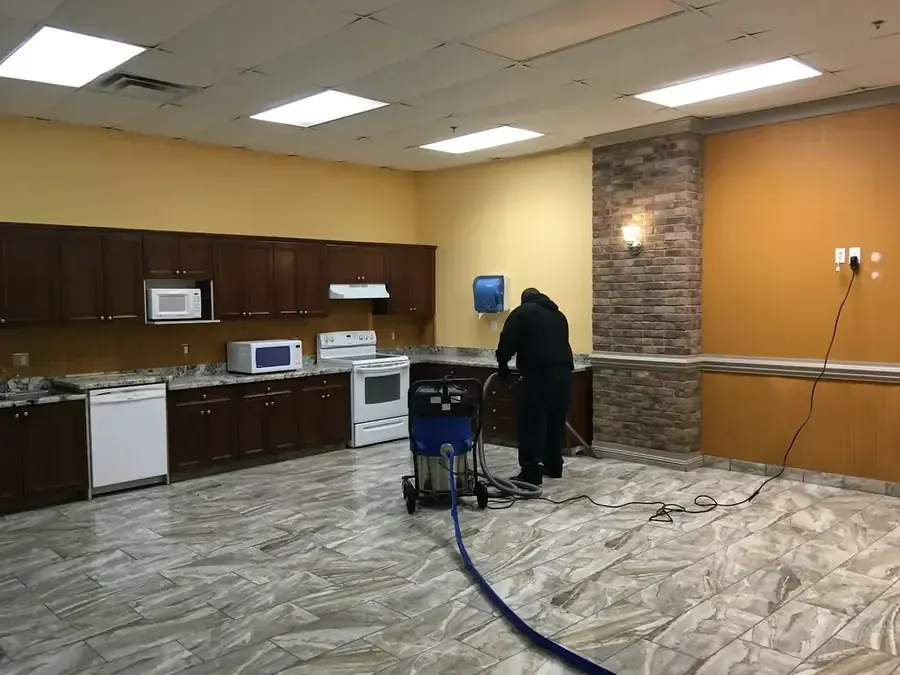
Extractors remove pooled water before the drying equipment tackles moisture inside floors and walls.
Read about water extraction ›
Structural Drying in Sperry
Material readings direct dehumidification until the assembly reaches a defensible drying goal.
Read about structural drying ›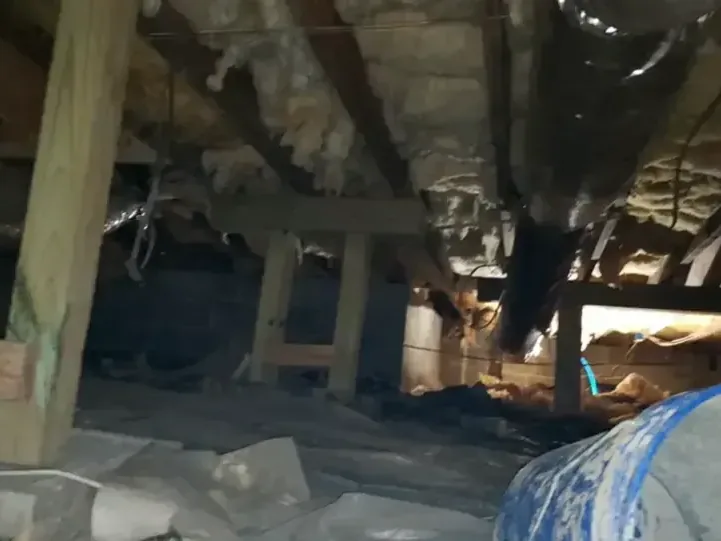
Crawl Space Water Removal in Sperry
Underfloor pumping comes with checks of joists, insulation and the moisture beneath the building.
Read about crawl space water removal ›Storm Flood Cleanup questions in Sperry, OK
Can cleanup start while outside water is still entering?
Continuing entry changes what work is safe and useful. The assessment must consider water movement, utilities and access before equipment is used inside. Some documentation may be possible from a secure location, but removing indoor water without accounting for the continuing source can leave the same areas repeatedly wet and contaminated.
Is floodwater handled like a burst supply pipe?
Outside water can carry sediment and contamination into the building, so the cleanup must address more than liquid removal. Porous materials, contents and hard surfaces need assessment based on that contact. Cleaning and removal decisions generally precede structural drying, with work routes arranged to avoid spreading debris through unaffected parts of the property.
Why remove flooring that still looks attached?
An attached surface may conceal contaminated water, sediment or an absorbent layer beneath it. The decision depends on the assembly and whether all affected surfaces can be reached and treated. The scope should explain why removal is needed for cleaning access or material condition rather than relying only on the appearance of the finish.
What if the water level dropped before anyone arrived?
Water marks, deposited debris and the owner's account can help establish the original contact area. Moisture checks then identify absorbed water that remains after the puddle disappears. Cleanup still needs to consider contaminated surfaces and concealed layers, because natural drainage does not remove everything the outside water carried into the room.
Can belongings be moved to a dry bedroom?
Moving contaminated contents into an unaffected room can expand the cleanup area. The handling plan should separate wet or dirty items from dry possessions and identify a suitable route or holding area. Photographs and an inventory are useful before movement, especially when furniture or storage containers hide the floor beneath them.
Should household fans run after the flood recedes?
Fans can move contamination around a room if cleanup has not addressed affected material and debris. The sequence should establish safe power, controlled removal and cleaning before equipment circulates air around retained assemblies. A drying plan then uses the exposed construction and measured moisture condition to select an appropriate equipment arrangement.
Does a road reopening mean the building is safe?
Road access and interior safety are separate conditions. A property may still have water around electrical equipment, unstable finishes or contaminated contents after a route becomes passable. The building needs its own assessment before entry and cleanup, including the affected entrance and the rooms where outside water collected or traveled.
What documents help with the recovery process?
Useful records include the event timeline, safe photographs of water marks and debris, an inventory of affected contents and an itemized cleanup scope. Later records should show removed layers, cleaning work and retained material readings. Insurance payment depends on the applicable policy, while these documents describe the observed damage and work performed.
Plan recovery after outside water enters
The work sequence should connect liquid removal, contamination decisions and drying of the suitable structure that remains after cleaning.
(888) 619-9509Discuss the flooded areas and access