Toilet Overflow Cleanup in Oakhurst
Water beside a toilet can come from different parts of the fixture. Cleanup begins by identifying the release and its contact with bathroom finishes before the spill is carried into another room.
(888) 619-9509Describe the bathroom overflow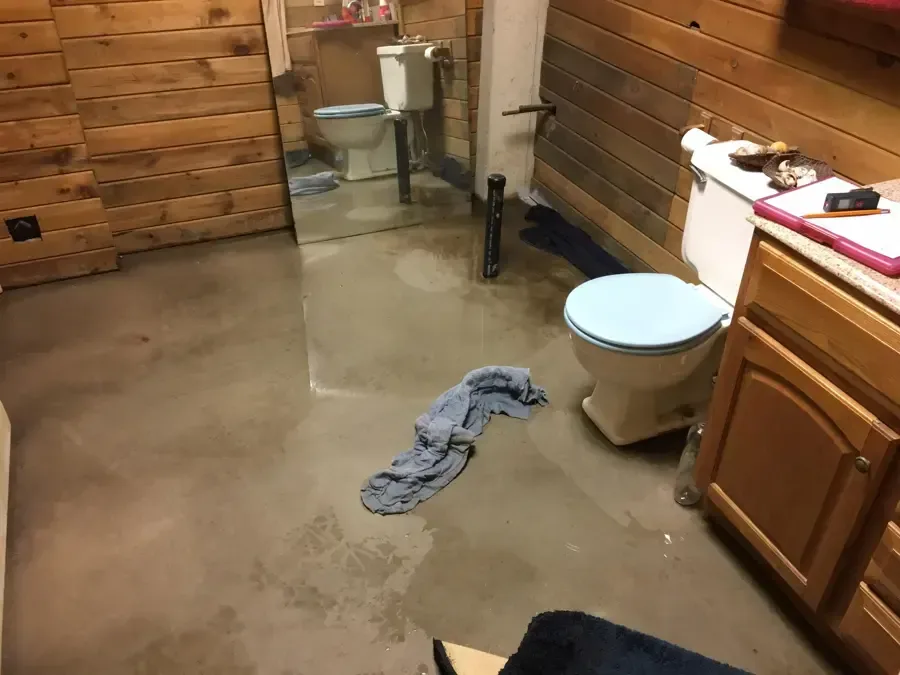
A toilet overflow in Oakhurst needs a clearer description than simply a wet bathroom. Water from a supply connection differs from bowl overflow, and the cleanup approach depends on what entered the room. The assessment follows the contact pattern across the floor, around the vanity and through the doorway into any neighboring materials.
How toilet overflow cleanup progresses
Distinguish the fixture release
The assessment records the reported source and plumbing symptoms, then identifies contamination concerns and immediate access restrictions around the bathroom and any adjoining wet area.
Follow contact through finishes
Inspection checks exposed flooring, cabinet bases, wall trim and the doorway to determine which materials touched the water and which layers need closer access.
Remove and clean appropriately
Water handling and material removal reflect the exposure, allowing retained surfaces to receive cleaning before moisture recovery proceeds through the accessible floor or wall assembly.
Coordinate bathroom return to use
Drying documentation and plumbing status are connected with remaining finish repairs so the owner understands when fixture operation and ordinary room access can safely resume.
First steps for toilet overflow cleanup
- 1Keep the fixture unused. Further use can enlarge the spill until the source has been assessed and the appropriate repair trade explains its operating condition.
- 2Describe the water origin. The contact should describe bowl overflow, supply leakage or water around the base using the visible symptoms.
- 3Separate touched materials. Wet rugs, towels and absorbent belongings should remain isolated when the release may involve contaminated bowl or drain water.
- 4Check adjoining room symptoms. A damp threshold or ceiling below can indicate spread beyond the bathroom and should be included in the description of the loss.
Identify the release before handling the spill
The property contact should explain whether the bowl overflowed, a connection leaked or water appeared around the fixture base. The appropriate plumbing trade addresses the source. Until the exposure is understood, occupants should keep children and pets away from the bathroom and avoid carrying wet rugs or other absorbent items through clean rooms.
- Describe the fixture behavior immediately before the water appeared.
- Report whether continued flushing or nearby drainage increases the spill.
- Keep the bathroom separate when contaminated water is involved.
- Leave electrical items away from wet surfaces and standing water.
Oakhurst extends through Tulsa County and Creek County, with Interstate 44 passing through the community. Property location and entry arrangements help coordinate the visit. The bathroom inspection then focuses on the actual fixture, floor assembly and adjoining rooms rather than assuming a shared drainage arrangement across local homes.
The fixture symptoms, water source and condition of the bathroom doorway help describe the loss. Details about affected rugs, cabinets or the ceiling below can also direct the material assessment.
(888) 619-9509Explain the overflow and room contactFollow the threshold and the vanity edge
Even a hard surfaced bathroom contains joints, penetrations and absorbent edges. Water can reach beneath the finish or soak trim and cabinet material. A doorway can transfer it into carpet or another flooring system. These connections need assessment before the spill is considered limited to the visible tile or other exposed floor surface.
- Establish the release source and whether the fixture remains out of use.
- Map affected surfaces inside the bathroom and across its doorway.
- Remove water and assess porous materials for contamination or damage.
- Clean retained surfaces and plan drying of the accessible assembly.
A wet bath mat can hold contaminated water against the floor while a vanity base absorbs it at the edge. Removing the mat does not settle the cabinet condition. Each material needs a decision about cleaning, removal or drying, and the work should avoid transferring the spill through the household during handling.
Where the water has reached the room below, ceiling symptoms become part of the same assessment. The floor surface may appear contained while penetrations allow liquid into a concealed cavity. That connection requires safe overhead attention and coordination with the bathroom cleanup so the loss is understood as a continuous pathway.
Safe access comes first
The restoration crew checks electrical exposure, overhead stability and the water source before entering the wet area. Occupants keep clear of sagging ceilings and contaminated floors. A qualified professional isolates affected circuits from a dry location. These checks precede extraction because standing water can conceal damage that a surface inspection misses.
Restore room use in a clear sequence
Plumbing repair determines when the fixture can operate without repeating the release. Cleanup determines the condition of the bathroom and adjacent materials. Those decisions should be coordinated but documented separately. A functioning toilet does not by itself make a contaminated floor or an opened drying area suitable for routine household traffic.
Sewage backup cleanup addresses wider wastewater contact when other drains or rooms are involved. Structural drying supports retained floor and wall components after appropriate cleaning. The owner should receive a clear description of restrictions, removed materials and the repairs required before the bathroom is fully restored.
- Record affected trim and cabinet edges before removing damaged pieces.
- Identify absorbent flooring outside the bathroom that contacted the spill.
- Keep plumbing findings connected with the cleanup source description.
- Separate fixture repair from replacement of damaged room finishes.
The final scope should make each step understandable, from the original overflow to the condition of the surfaces and concealed layers left behind.
What does toilet overflow cleanup cost in Oakhurst, OK?
Oakhurst toilet overflow cleanup ranges from $800 to $1,500 for a limited spill, $1,500 to $2,500 for porous edge damage and $2,500 to $3,500 for spread beyond the bathroom.
Limited hard-floor spill
$800 to $1,500
- Source assessment
- Controlled removal
- Surface cleaning
Porous edge damage
$1,500 to $2,500
- Trim contact
- Vanity assessment
- Selective access
Spread beyond bathroom
$2,500 to $3,500
- Threshold crossing
- Connected layers
- Broader drying
These planning ranges are estimate only. Water category, affected area, material class and the delay before extraction change the scope. The water damage cost calculator explores those variables.
Careful decisions for toilet overflow cleanup
Rapid local response
The response team assesses active water, access and source control during 24/7 dispatch. Arrival depends on current conditions and the work required at the property.
IICRC S500 drying standard
The drying technician compares wet assemblies with suitable dry references and adjusts dehumidification to the material load. A dry surface alone does not close the job.
Claim-ready documentation
The mitigation team records initial damage, material decisions, equipment and daily readings. The property owner retains a clearer account of the loss for the insurance review.
Local water experts
The contractor checks the actual building and the reported source before choosing a method. Indoor supply releases, contaminated outside water and backed-up drains require different handling.
Toilet overflow cleanup in Oakhurst
Toilet overflow assessments for Oakhurst properties consider the fixture source, bathroom materials and any connected room damage, with access restrictions based on the actual water contact.
The same service nearby: toilet overflow cleanup in Sand Springs, Bixby, Sperry.
Related water damage services in Oakhurst
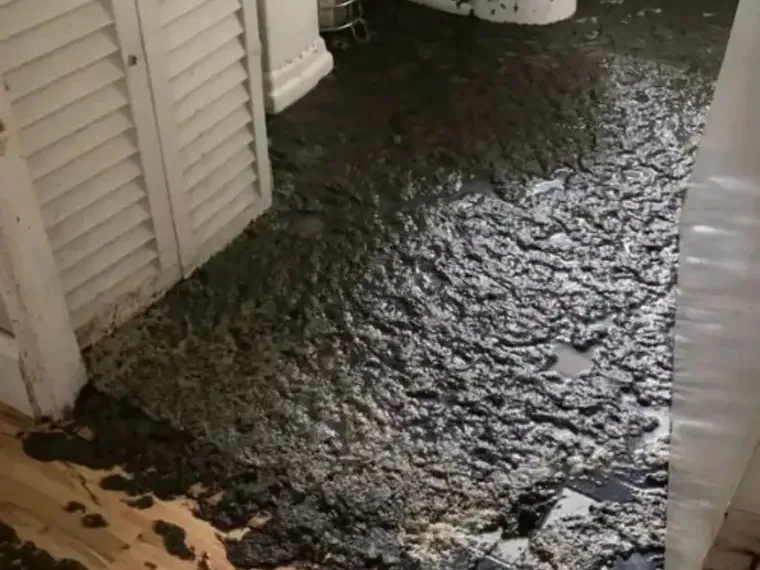
Sewage Backup Cleanup in Oakhurst
Contaminated drain water calls for controlled removal, cleaning and disposal of affected porous materials.
Read about sewage backup cleanup ›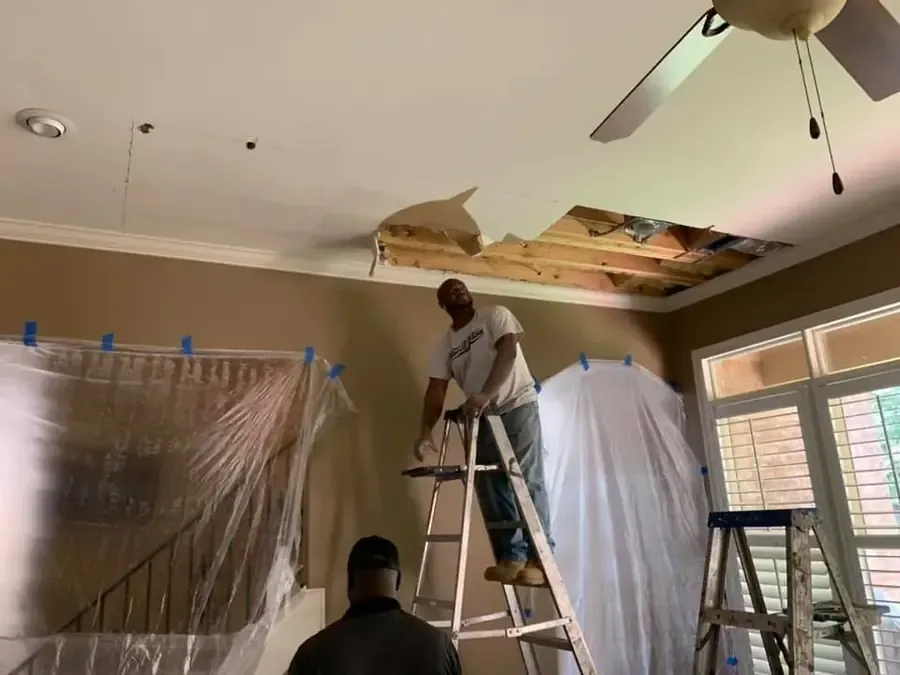
Ceiling Leak Water Damage in Oakhurst
Overhead water requires safe access to the source before damaged ceiling materials come down.
Read about ceiling leak water damage ›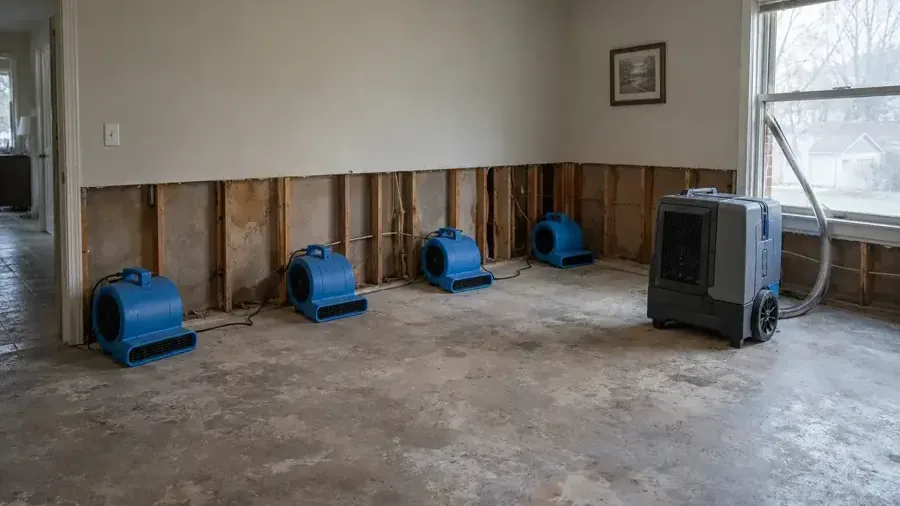
Structural Drying in Oakhurst
Material readings direct dehumidification until the assembly reaches a defensible drying goal.
Read about structural drying ›Toilet Overflow Cleanup questions in Oakhurst, OK
Is every toilet related leak sewage?
A supply connection leak differs from bowl overflow or drain related water. The assessment should establish the release source and what it contacted before selecting cleanup methods. When the source is uncertain, occupants should avoid exposure and describe the visible fixture behavior to the person arranging the assessment.
Why should the toilet remain unused after overflowing?
Further flushing may add water to the same problem and enlarge the affected area. The plumbing trade should assess the cause and explain when operation can resume. Cleanup also needs a stable source condition so contaminated material handling and floor recovery are not interrupted by another release into the room.
Can hard bathroom flooring keep all the water contained?
Joints, edges and fixture penetrations can allow liquid beneath a finish even when the surface is hard. Water can also reach cabinet bases or leave through the doorway. Inspection of those connections helps determine whether the loss is limited to accessible surfaces or includes concealed layers and adjoining materials.
What happens to a rug touched by bowl water?
The rug should remain separated from clean belongings until its exposure and condition are assessed. Carrying it through the home can spread contaminated moisture. Documentation can identify the item before handling decisions are made, while the floor beneath it also receives attention for trapped water and surface contamination.
Does a working toilet mean the room is ready?
Fixture operation and room recovery answer different questions. Plumbing repair may stop the release while floor materials remain contaminated, wet or open for drying. The property should have clear instructions about bathroom access and remaining work so ordinary use does not interfere with cleaning or concealed material recovery.
Why might a ceiling below need inspection?
Water can pass through floor penetrations or layered construction and appear in the room underneath. A ceiling stain or drip may therefore be connected to the bathroom release. That area needs its own safety and material assessment, coordinated with the floor inspection above to trace the complete pathway.
Will the vanity need replacement after an overflow?
The decision depends on the material, water contact, physical damage and ability to clean or dry the affected components. A base or back panel can differ from the visible front. The assessment should identify the specific damaged sections and explain retention or removal rather than treating every vanity the same.
What should the final bathroom cleanup record include?
The record should identify the source description, contact boundary, removed items or finishes and cleaning performed. Moisture information documents the retained layers that needed drying. Plumbing findings and remaining repair tasks should also be clear, giving the owner a connected account of fixture correction and the bathroom's material recovery.
Restore the bathroom through a clear cleanup sequence
A focused plan connects plumbing attention with controlled cleaning and the floor or wall layers that need recovery before ordinary use resumes.
(888) 619-9509Discuss the toilet overflow assessment