Appliance Leak Water Damage in Bixby
The small puddle beside an appliance can be the visible edge of water beneath it. Cleanup follows the supply or discharge path into flooring, cabinets and adjoining walls.
(888) 619-9509Describe the appliance and wet surfaces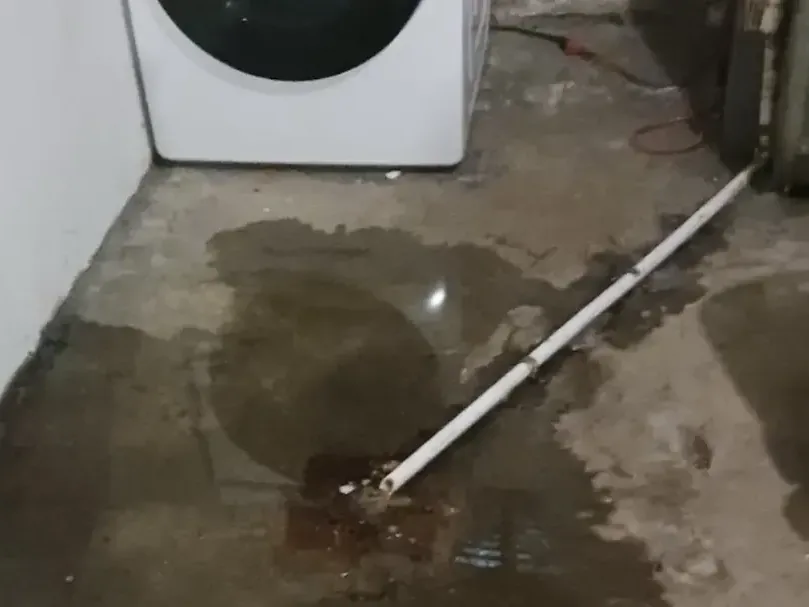
Bixby's 2020 census housing figures include both owner-occupied and renter-occupied homes. An appliance spill raises different authorization questions in those settings, but the material problem is similar: water can hide beneath equipment before anyone sees it at the front. The initial assessment needs the appliance location, the apparent source and the person responsible for approving access to the wet assembly.
How appliance leak water damage progresses
Identify the operating failure
The initial assessment records whether the release involved supply water, discharge or another appliance component, along with the equipment repair status and the rooms connected to the wet surface.
Coordinate concealed access
Safe appliance movement and targeted openings reveal the floor, cabinet and wall materials that cannot be evaluated from the visible puddle alone.
Recover suitable building materials
Extraction, necessary cleaning and drying address retained components, while damaged absorbent layers receive documented removal or replacement decisions based on their condition.
Organize equipment return
The owner or manager receives the remaining repair scope and material conditions so reconnection and finish work can be scheduled without concealing an unresolved wet area.
First steps for appliance leak water damage
- 1Stop further appliance use. Keep the appliance out of use until its failure is assessed, preventing another discharge into concealed materials.
- 2Identify the responsible contact. Renters should notify management, while owners should clarify who will authorize appliance movement, cabinet access and building material decisions.
- 3Describe water at the edges. Report wet toe spaces, floor seams or trim beyond the appliance footprint so the assessment can follow the connected surfaces.
- 4Plan equipment movement safely. The appropriate trade should handle connections and movement, exposing wet material for assessment before the appliance returns.
Identify what escaped during the appliance cycle
A supply connection, discharge hose or internal component can produce different water conditions. The repair trade investigates the equipment failure while cleanup follows its consequences. Running another cycle to reproduce a leak can add water to concealed materials, so the appliance should remain out of use until the cause and safe operating condition are addressed.
- A washer spill may reach flooring beneath the machine and adjoining wall trim.
- A dishwasher leak can travel behind toe panels into neighboring cabinet bases.
- Water under a finish can remain after towels clear the visible puddle.
- Wet electrical connections need appropriate assessment before the appliance is operated again.
For a rental near Parkwood Apartments, the caller should identify the management contact before equipment movement or cabinet access is authorized. Homeowners in Brooks Terrace can provide the same room observations directly. The assessment should record who can approve building work as well as who is arranging appliance repair.
Appliance water often reaches places hidden by the equipment itself. Describe the operating failure, nearby cabinet or floor changes and the person who can authorize access to the affected materials.
(888) 619-9509Discuss the hidden appliance spillUse equipment access to inspect the concealed footprint
Moving an appliance safely can reveal water marks, damaged underlayment or swollen cabinet components that were invisible from the doorway. The movement should be coordinated with the appropriate trade, especially around utility connections. Cleanup decisions then follow those exposed conditions instead of assuming the open floor represents the full loss.
- Identify the equipment failure and stop further operation or discharge.
- Arrange safe access beneath the appliance and adjacent built-in components.
- Assess water contact in coverings, cabinets and connected wall edges.
- Dry suitable materials before the appliance or finishes return over them.
A property in Village Ten may have a spill limited to an open laundry surface or damage concealed beneath kitchen fittings. The room inspection establishes the difference. Cabinet removal, toe-space openings or flooring access should each have a stated reason, with the owner informed about the associated replacement work before authorization.
The condition of composite cabinetry matters because swelling can leave permanent physical damage even after moisture decreases. Sound material may be recoverable, while delaminated or inaccessible wet components may need another approach. The estimate should separate those material decisions from simply putting a fan in the room.
Safe access comes first
The restoration crew checks electrical exposure, overhead stability and the water source before entering the wet area. Occupants keep clear of sagging ceilings and contaminated floors. A qualified professional isolates affected circuits from a dry location. These checks precede extraction because standing water can conceal damage that a surface inspection misses.
Protect the next appliance installation from hidden dampness
A repaired appliance can block the exact area that needs continued access. The return sequence should account for wet flooring beneath the machine and moisture at neighboring wall or cabinet edges. Structural drying addresses suitable retained components after extraction and any necessary cleaning or removal.
- Photograph the underside area while equipment is safely moved.
- Record cabinet swelling or floor seam changes before finish repair.
- Keep the appliance repair findings with the building damage record.
- Identify who will reconnect equipment after material work is complete.
Where water reached wood flooring beyond the kitchen, hardwood floor recovery may require attention to the subfloor as well as the boards. The handoff should state what remains wet, what needs replacement and when access can be reduced without hiding unfinished recovery work.
That sequence gives an owner or manager a practical way to coordinate the appliance technician, cleanup work and finish repairs around the same affected space.
What does appliance leak water damage cost in Bixby, OK?
Appliance leak water damage costs in Bixby depend on concealed floor spread and access beneath equipment or cabinetry. The listed recovery ranges cover affected materials, while appliance diagnosis and repair should have a separate description.
Open laundry spill
$500 to $1,200
- Accessible liquid
- Limited edges
- Simple removal
Cabinet-edge intrusion
$1,200 to $2,500
- Toe-space access
- Composite assessment
- Wall-base drying
Hidden floor spread
$2,500 to $4,000
- Covered moisture
- Layer exposure
- Connected room checks
These planning ranges are estimate only. Water category, affected area, material class and the delay before extraction change the scope. The water damage cost calculator explores those variables.
Careful decisions for appliance leak water damage
Rapid local response
The response team assesses active water, access and source control during 24/7 dispatch. Arrival depends on current conditions and the work required at the property.
IICRC S500 drying standard
The drying technician compares wet assemblies with suitable dry references and adjusts dehumidification to the material load. A dry surface alone does not close the job.
Claim-ready documentation
The mitigation team records initial damage, material decisions, equipment and daily readings. The property owner retains a clearer account of the loss for the insurance review.
Local water experts
The contractor checks the actual building and the reported source before choosing a method. Indoor supply releases, contaminated outside water and backed-up drains require different handling.
Appliance leak water damage in Bixby
Kitchen and laundry damage can be assessed around Saker and Riverview Terrace, with equipment access, property authorization and the affected cabinet or floor edges discussed before work begins.
The same service nearby: appliance leak water damage in Sand Springs, Oakhurst, Owasso.
Related water damage services in Bixby
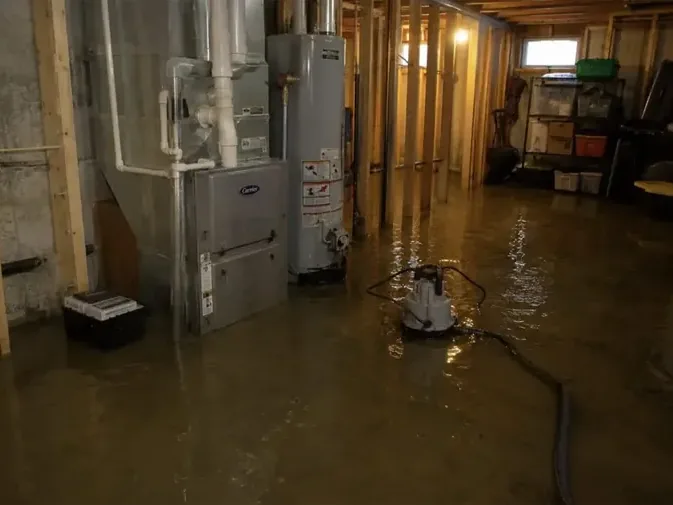
Water Heater Leak Cleanup in Bixby
Tank spills can travel beneath partitions beyond the visible puddle around the heater.
Read about water heater leak cleanup ›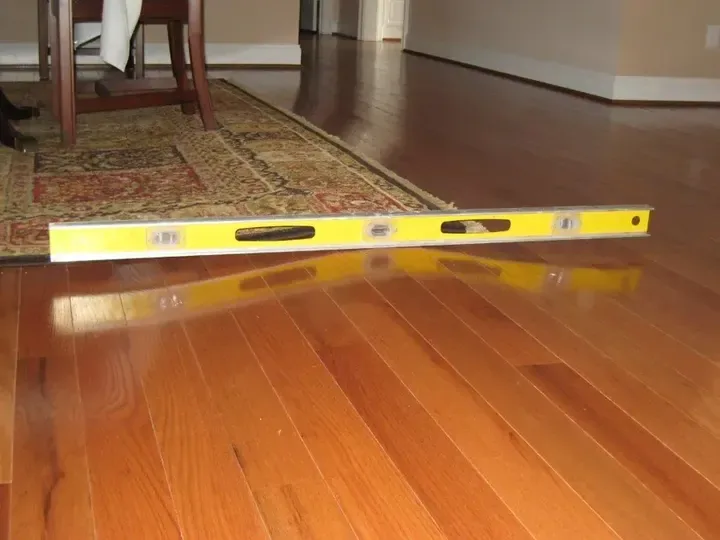
Hardwood Floor Water Damage in Bixby
Board movement and subfloor readings determine whether targeted floor drying remains appropriate.
Read about hardwood floor water damage ›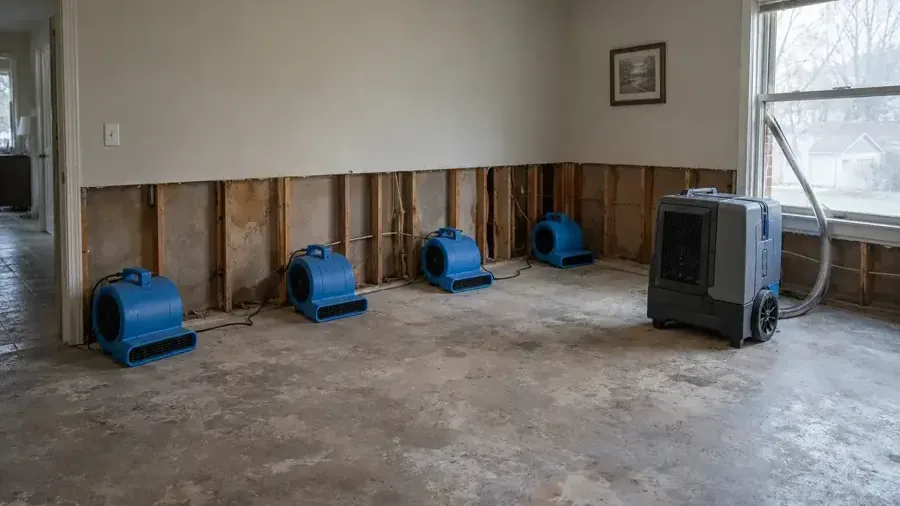
Structural Drying in Bixby
Material readings direct dehumidification until the assembly reaches a defensible drying goal.
Read about structural drying ›Appliance Leak Water Damage questions in Bixby, OK
Can the appliance run again if no water is visible?
The equipment failure still needs correction after visible pooling stops. The appropriate technician should assess the source and safe operating condition before another cycle. Additional discharge can wet hidden layers again, making recovery harder and obscuring whether the building materials are responding to the drying work already underway.
Why does the assessment ask about supply versus discharge?
The water source helps determine handling and cleaning needs. A fresh supply release differs from water that has passed through an appliance cycle or contacted contaminated material. The assessment considers that route alongside the installed surfaces, then selects an approach suited to both the water and the materials it reached.
Does the washer need to be moved?
Access beneath it may be necessary to assess concealed water and floor damage, but movement must account for utility connections and safe handling. The relevant trade and cleanup personnel should coordinate that step. Once exposed, the area can be documented and treated before the machine returns and limits access again.
Can cabinet toe panels be opened without replacing the cabinets?
The installed construction and damage determine the available access options. Some assemblies permit focused openings, while swollen or inaccessible components may require more extensive work. The assessment should explain the purpose of the proposed access and its repair implications so the owner can authorize a clear scope for the affected cabinetry.
What should a renter do before authorizing removal?
The renter should notify the property manager and describe the appliance, active water and affected rooms. Building material changes and equipment movement may require management approval. Safe photographs and a record of observations can support that discussion while access is coordinated with the person responsible for the property and its appliances.
Why inspect flooring beyond the kitchen or laundry?
Water can follow continuous coverings, seams or underlayment into adjoining space. The visible spill may disappear at a threshold while moisture remains below it. Checking that connection helps define the actual recovery boundary and prevents appliance replacement or cabinet repair from leaving a neighboring wet floor layer untreated.
Will swollen cabinet material return to its original shape?
Some composite components remain physically damaged after drying. The assessment distinguishes moisture recovery from the condition of the finished material, including delamination or loss of shape. Replacement decisions should reflect that damage and accessibility, with the owner told which parts can remain and which need repair after the water has been removed.
What records make the final handoff useful?
The handoff should connect the appliance repair finding with photographs beneath the equipment, affected material descriptions and drying observations. It should also identify who will reconnect the appliance and replace any removed finishes. That record helps the owner coordinate the remaining work without confusing the equipment repair with building material recovery.
Recover the surface beneath the equipment
Arrange a kitchen or laundry assessment that coordinates material access and drying with appliance repair and safe return to use.
(888) 619-9509Request appliance leak material assessment