Storm Flood Cleanup in Mannford
Mud at a doorway tells a different story from a leaking fixture. Mannford storm cleanup follows outdoor water into the building and addresses the residue and wet layers it leaves behind.
(888) 619-9509Describe the outside water entry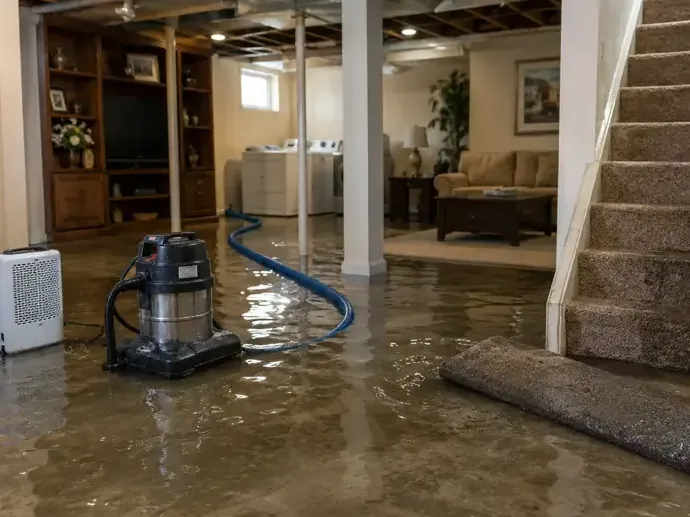
When outdoor water reaches an interior room, the cleanup includes what arrived with it. Mud, debris and contamination can settle beneath furnishings and inside absorbent finishes. A Mannford storm assessment starts at the entry route and follows the water through the building, recording the surfaces and contents reached before ordinary room use resumes.
How storm flood cleanup progresses
Locate the entry route
The inspection records where outdoor water crossed into the building and follows sediment or wet marks through the affected rooms and contents.
Control removal traffic
A practical work route separates contaminated materials and equipment from usable dry spaces while standing water and debris are collected.
Prepare clean retained surfaces
Material decisions address porous losses, sheltered residue and access needed to clean components that will stay in place for the drying stage.
Document readiness for repair
Moisture checks track retained assemblies, and the handoff identifies exterior source work and interior finish replacement still needed after cleanup.
First steps for storm flood cleanup
- 1Wait for safe entry. Keep people outside flood affected rooms with unstable surfaces or electrical hazards until access has been assessed.
- 2Record the outdoor path. Photograph the entry opening and sediment trail without stepping into water to obtain a closer view.
- 3Separate wet possessions. Leave items touched by outside water apart from clean belongings until handling and disposal decisions are made.
- 4Explain ongoing entry. Report whether water still comes through the opening so source control can be coordinated with interior removal.
Read the entry marks before removal changes them
Keystone Lake is a reservoir on the Arkansas and Cimarron rivers, and its local arm fills the Salt Creek valley. At the property itself, useful details include the doorway where water appeared, visible sediment trails and the height of marks on affected surfaces. Those observations direct the interior inspection.
- Photograph thresholds and wall marks from a position that remains safe and dry.
- Keep clear of moving water and rooms with damaged electrical equipment.
- Describe whether outdoor entry has stopped or still changes with ongoing weather.
- Leave contaminated contents separated from belongings that remained outside the wet area.
A household in Pelican Point can help the assessment by explaining the order in which rooms became wet. That sequence may reveal a connected floor path or a sheltered area under cabinetry. It also helps distinguish water entering through an exterior opening from another leak discovered during the same event.
Describe the opening where outside water entered and the rooms that collected sediment. Those observations help organize a cleanup assessment around the building's actual contact and access conditions.
(888) 619-9509Discuss the storm water pathAddress residue before treating the room as dryable
Once entry is controlled and access is suitable, removal exposes the materials below the floodwater. Porous layers may need disposal because contamination reached places that cannot be adequately cleaned. Hard surfaces need sediment removal and appropriate treatment before equipment is arranged to dry the retained parts of the building.
- Set a protected route for equipment and removal of contaminated materials.
- Collect standing water and sediment without spreading residue through clean rooms.
- Inspect low walls, floor transitions and absorbent contents for floodwater contact.
- Clean exposed retained surfaces before beginning their monitored structural drying work.
In Park View, a floor covering can conceal wet underlayment after the surface has been cleaned. The scope should describe how those sheltered layers will be assessed. Covering an unresolved layer with a new finish can leave the assembly wet even though the room looks ready for use.
Safe access comes first
The restoration crew checks electrical exposure, overhead stability and the water source before entering the wet area. Occupants keep clear of sagging ceilings and contaminated floors. A qualified professional isolates affected circuits from a dry location. These checks precede extraction because standing water can conceal damage that a surface inspection misses.
Plan the handoff around the remaining building
Cleanup records should connect the exterior entry, affected rooms and materials removed. Photographs taken during access can explain damage that will no longer be visible after reconstruction. The owner also needs a clear account of any opening, door assembly or exterior repair that must be addressed to reduce renewed entry.
The selected drying plan applies to retained materials after contamination work. Readings help show progress in wall framing or subflooring, while disposal records explain why other layers could not remain. These are separate decisions, and both should be understandable in the written scope.
- Keep a record of contents moved out of the contaminated area.
- Ask which exterior repairs fall outside the interior cleanup estimate.
- Preserve moisture notes before replacement materials cover the exposed structure.
- Discuss safe occupancy and equipment routes while drying work continues indoors.
Water extraction addresses accessible pooling. For retained framing and floor layers, structural drying continues the recovery after sediment and unsuitable materials are removed.
What does storm flood cleanup cost in Mannford, OK?
Storm flood cleanup in Mannford is shaped by contaminated contact, sediment and the number of affected assemblies. The ranges below support planning; the inspection establishes removal, cleaning and drying needs, with exterior repairs described as a separate responsibility.
Limited outside entry
$3,000 to $5,000
- Doorway spread
- Sediment cleanup
- Localized removal
Several contaminated rooms
$5,000 to $8,000
- Connected floors
- Porous losses
- Controlled routes
Extensive wet assemblies
$8,000 to $12,000
- Concealed contact
- Broad access
- Complex drying
These planning ranges are estimate only. Water category, affected area, material class and the delay before extraction change the scope. The water damage cost calculator explores those variables.
Careful decisions for storm flood cleanup
Rapid local response
The response team assesses active water, access and source control during 24/7 dispatch. Arrival depends on current conditions and the work required at the property.
IICRC S500 drying standard
The drying technician compares wet assemblies with suitable dry references and adjusts dehumidification to the material load. A dry surface alone does not close the job.
Claim-ready documentation
The mitigation team records initial damage, material decisions, equipment and daily readings. The property owner retains a clearer account of the loss for the insurance review.
Local water experts
The contractor checks the actual building and the reported source before choosing a method. Indoor supply releases, contaminated outside water and backed-up drains require different handling.
Storm flood cleanup in Mannford
Storm cleanup assessments include Rolling Oaks and KDA properties, with entry conditions, room access and the observed outdoor water path shaping each interior recovery scope.
The same service nearby: storm flood cleanup in Sand Springs, Oakhurst, Sperry.
Related water damage services in Mannford
Water Extraction in Mannford
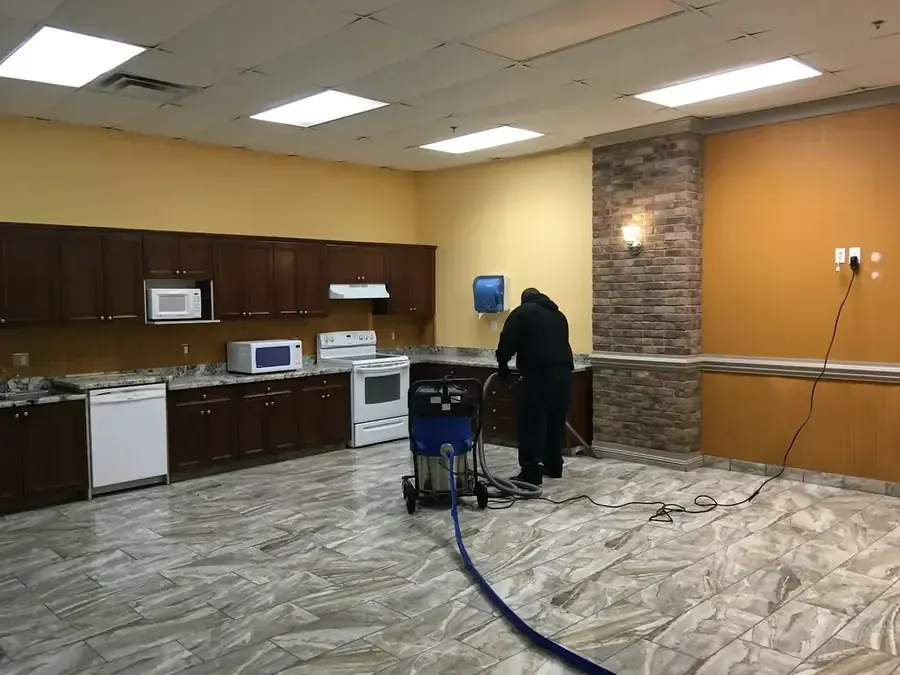
Extractors remove pooled water before the drying equipment tackles moisture inside floors and walls.
Read about water extraction ›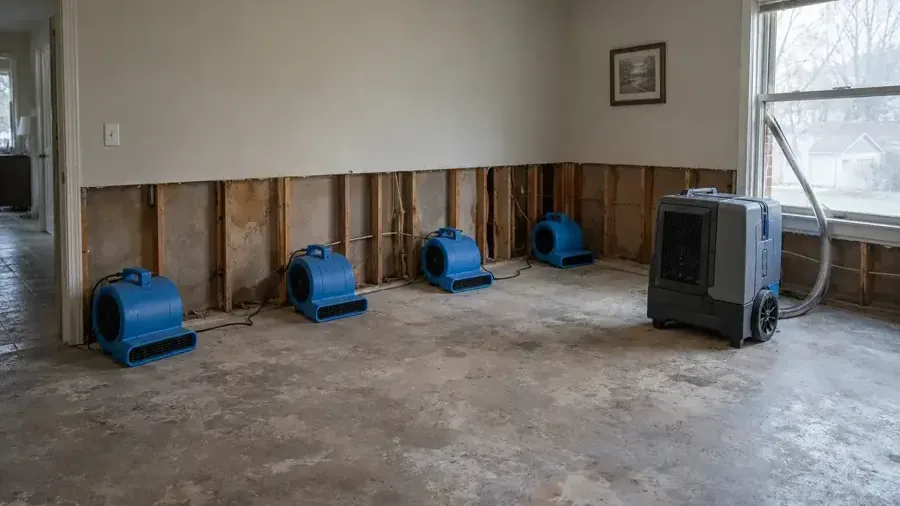
Structural Drying in Mannford
Material readings direct dehumidification until the assembly reaches a defensible drying goal.
Read about structural drying ›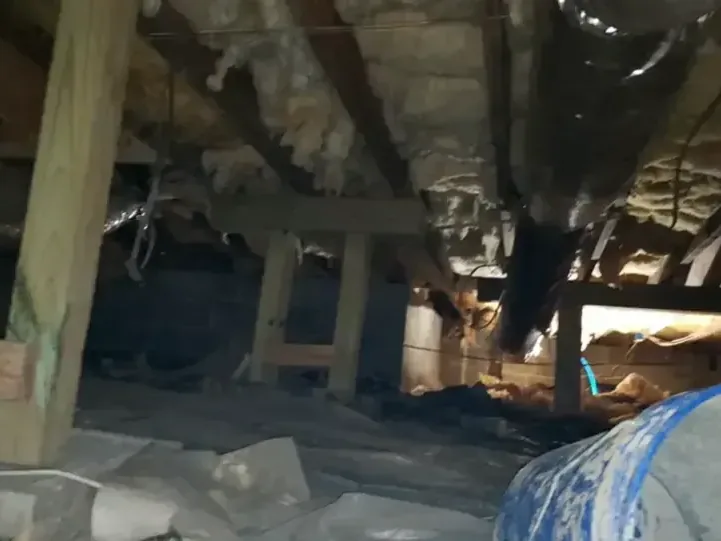
Crawl Space Water Removal in Mannford
Underfloor pumping comes with checks of joists, insulation and the moisture beneath the building.
Read about crawl space water removal ›Storm Flood Cleanup questions in Mannford, OK
Is outdoor water treated differently from an indoor spill?
Outdoor water can carry sediment and contaminants into the building, so the assessment includes contact history and residue as well as moisture. Absorbent materials may need removal where cleaning cannot reach effectively. The scope should explain those decisions before the retained structure enters a drying program.
What should be photographed before cleanup?
From a safe location, record the exterior entry point, water marks, sediment and affected belongings. Include transitions into adjoining rooms where the path remains visible. Photographs help preserve the pattern after extraction changes it, and they support a clearer discussion of removed materials and remaining repair needs.
Can a floor stay wet underneath after mud is removed?
Yes. Cleaning the top surface does not remove water trapped beneath finishes or inside underlayment. Inspection may require selective access to check those layers. The drying plan should account for retained material below the surface so reconstruction does not conceal dampness that remained after the visible residue disappeared.
Does a nearby lake determine what work is necessary?
The property's water entry and the condition of its materials determine the work. The assessment follows where outdoor water crossed the building envelope, what it carried and which rooms it reached. A description of the actual entry is therefore useful when discussing removal, cleaning and the next repair steps.
Should wet contents be taken outside immediately?
Movement should be planned around safe access and contamination control. Carrying affected items through clean rooms can spread residue, while unstable floors or electrical hazards may prevent entry entirely. Document items when safe, then discuss sorting and removal so damaged belongings stay separated from possessions that remained dry.
When can drying equipment be started?
The sequence depends on source control, safe utilities and contamination work. Standing water, sediment and unsuitable porous materials need attention before retained components receive their planned drying treatment. The assessment should explain that sequence and ensure equipment does not move contamination from an unfinished cleanup area into another room.
Will interior cleanup correct the exterior opening?
The cleanup scope may identify the entry route, but repairs to doors, roofing or other exterior components should have a clear assigned responsibility. Ask which work is included and which requires another contractor. Preventing renewed entry and drying existing damage both matter before replacement finishes are installed.
What determines whether the room is ready for repairs?
The entry problem should be addressed, contamination work completed and retained materials checked against the drying goals selected for them. The handoff should also identify damaged components that require replacement. Those findings provide a practical basis for reconstruction instead of relying only on a clean appearance or the absence of standing water.
Move from sediment cleanup toward repair
A clear scope links water removal, contaminated material decisions and monitored drying before new finishes return to the affected rooms.
(888) 619-9509Plan the flood affected room assessment