Sewage Backup Cleanup in Mannford
A backed up drain changes how a room can be entered and cleaned. Mannford sewage cleanup starts by containing the affected area and separating wastewater from clean spaces.
(888) 619-9509Discuss the wastewater affected rooms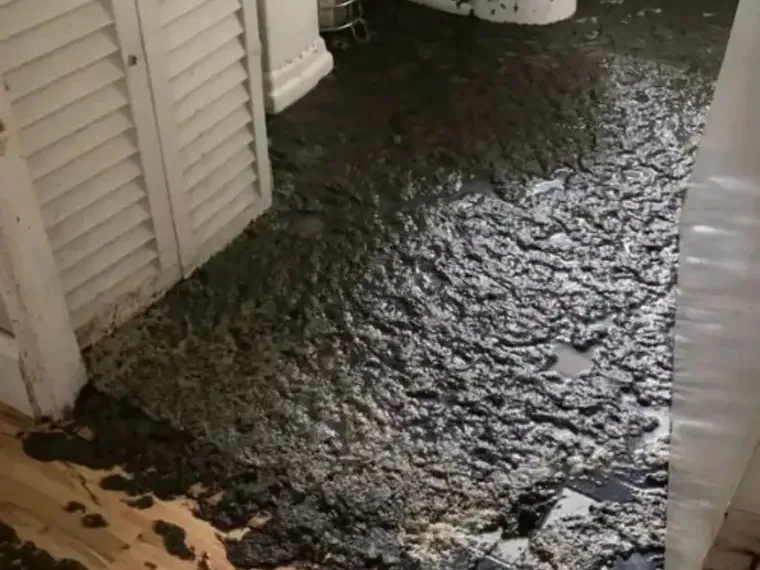
Wastewater on the floor makes ordinary household cleanup an unsuitable starting point. Shoes, towels and movable belongings can carry contamination into unaffected rooms. A Mannford sewage cleanup assessment establishes the affected boundary, identifies ongoing drain flow and plans handling for the materials that contacted the spill before general drying work begins inside the property.
How sewage backup cleanup progresses
Define contaminated contact
The assessment follows the wastewater across surfaces and into absorbent layers, establishing which rooms and belongings belong inside the cleanup area.
Coordinate source correction
Drain diagnosis proceeds alongside the damage assessment so renewed backup does not recontaminate a room that has already received cleaning attention.
Remove and clean
Wastewater, residue and unsuitable porous materials are handled under controlled conditions before retained accessible surfaces receive their planned cleaning treatment.
Inspect the retained structure
The remaining building materials are checked for moisture and condition, with drying and repair needs explained before the affected area returns to ordinary use.
First steps for sewage backup cleanup
- 1Close the affected space. Keep people outside the spill area and avoid traffic that carries contaminated moisture into dry rooms or hallways.
- 2Pause fixture use. Describe the backing up drain and stop ordinary use of affected fixtures while the source receives attention.
- 3Keep contents separated. Leave wastewater touched belongings within the controlled area until their safe handling and disposition have been assessed.
- 4Document from safe ground. Capture visible spread without stepping into sewage, including thresholds where the spill may have reached another room.
Keep the drain problem and cleanup scope connected
The City of Mannford provides municipal water service. When wastewater backs into a building, the drain involved needs its own diagnosis. The property owner can describe which fixtures changed, where the overflow appeared and whether water use elsewhere causes renewed backing up. That information helps the plumbing assessment focus on the actual failure.
- Stop using affected fixtures until the drainage problem receives appropriate attention.
- Keep children and animals outside rooms touched by sewage or tracked residue.
- Avoid moving saturated rugs through clean living areas to reach an exit.
- Note which drains reacted together and whether wastewater is continuing to rise.
A building in Park View may have contamination limited to a hard bathroom floor or extending beneath adjoining finishes. A bathroom threshold deserves inspection wherever water crossed into an adjoining space. The cleanup boundary follows observed contact, including low wall sections, thresholds and absorbent contents that absorbed wastewater before discovery.
Explain which drain backed up, where the wastewater spread and whether the level is still changing. A controlled cleanup plan begins with that description and safe access to the room.
(888) 619-9509Discuss the sewage contact areaSeparate porous losses from cleanable surfaces
Water extraction removes liquid but leaves a handling decision for every affected material. Carpet padding, insulation and swollen composite cabinet parts can retain contamination where surface cleaning cannot reach. Hard surfaces also need residue removal and appropriate treatment. The estimate should explain which materials are removed and the reason they cannot stay.
- Establish a controlled approach that avoids carrying wastewater across occupied dry rooms.
- Collect sewage and loose residue using equipment suited to contaminated water.
- Remove affected porous materials that cannot be adequately cleaned and retained.
- Clean accessible surfaces before arranging drying for the remaining building components.
For a Rolling Oaks property, a work area beside an occupied room needs a practical separation plan. Belongings should be sorted by contact and condition, with affected items kept apart from clean possessions. Disposal handling, protected travel routes and equipment placement all belong in the conversation before the room is emptied.
Safe access comes first
The restoration crew checks electrical exposure, overhead stability and the water source before entering the wet area. Occupants keep clear of sagging ceilings and contaminated floors. A qualified professional isolates affected circuits from a dry location. These checks precede extraction because standing water can conceal damage that a surface inspection misses.
Inspect hidden contact at walls and transitions
Sewage can collect beneath a cabinet toe space or cross a doorway into padding before a visible stain appears. Checking these transitions helps keep the scope tied to the actual spread. A clean looking top surface does not settle the condition of the material directly below it or behind its edge.
In Pelican Point, the assessment can include adjoining room edges wherever the spill reached a shared threshold. Photographs taken before removal preserve the contact pattern. Notes about odors can help describe discovery, but the material decisions should rely on the water source, exposure and access for cleaning.
- Record affected contents before they are packaged or removed for disposal.
- Keep the drain repair description with photographs of the wastewater contact.
- Ask how cleaned areas will remain separated from ongoing contaminated work.
- Discuss remaining finish repairs after retained surfaces have been cleaned and dried.
A usable handoff describes removed materials, treated surfaces and the condition of the remaining structure. It should also identify any drain repair still outstanding. Reopening the room depends on that complete picture, including safe utilities and suitable access, rather than the disappearance of the puddle alone.
If the event began at a bathroom fixture, toilet overflow cleanup provides a narrower service path. Retained wet framing may also require structural drying once contaminated material work is finished.
What does sewage backup cleanup cost in Mannford, OK?
Sewage backup cleanup in Mannford depends on contaminated area, absorbent materials and access for controlled removal. These planning ranges separate a contained bathroom event from wider contact; the written scope should describe disposal, surface treatment and drying responsibilities.
Contained bathroom loss
$2,000 to $3,500
- Room isolation
- Hard surfaces
- Controlled collection
Connected rooms
$3,500 to $5,500
- Threshold spread
- Porous removal
- Protected routes
Extensive contamination
$5,500 to $8,000
- Broad contact
- Concealed materials
- Complex disposal
These planning ranges are estimate only. Water category, affected area, material class and the delay before extraction change the scope. The water damage cost calculator explores those variables.
Careful decisions for sewage backup cleanup
Rapid local response
The response team assesses active water, access and source control during 24/7 dispatch. Arrival depends on current conditions and the work required at the property.
IICRC S500 drying standard
The drying technician compares wet assemblies with suitable dry references and adjusts dehumidification to the material load. A dry surface alone does not close the job.
Claim-ready documentation
The mitigation team records initial damage, material decisions, equipment and daily readings. The property owner retains a clearer account of the loss for the insurance review.
Local water experts
The contractor checks the actual building and the reported source before choosing a method. Indoor supply releases, contaminated outside water and backed-up drains require different handling.
Sewage backup cleanup in Mannford
Wastewater assessments include KDA and properties near State Highway 51, with room isolation and disposal access planned for the building's actual layout and occupied areas.
The same service nearby: sewage backup cleanup in Sand Springs, Oakhurst, Sperry.
Related water damage services in Mannford
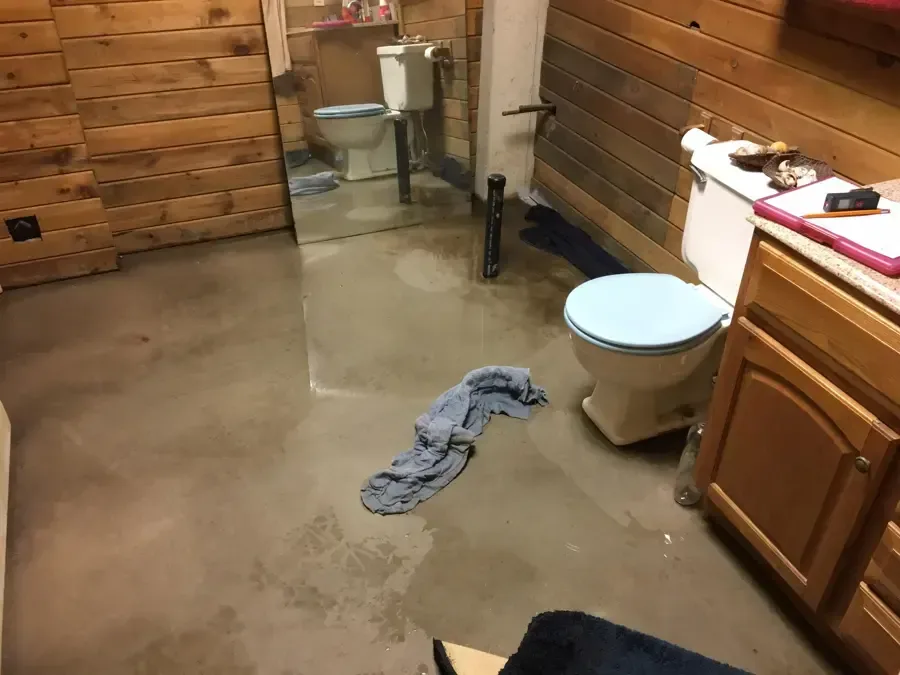
Toilet Overflow Cleanup in Mannford
Waste-bearing bowl overflow needs isolation and contamination control beyond ordinary bathroom drying.
Read about toilet overflow cleanup ›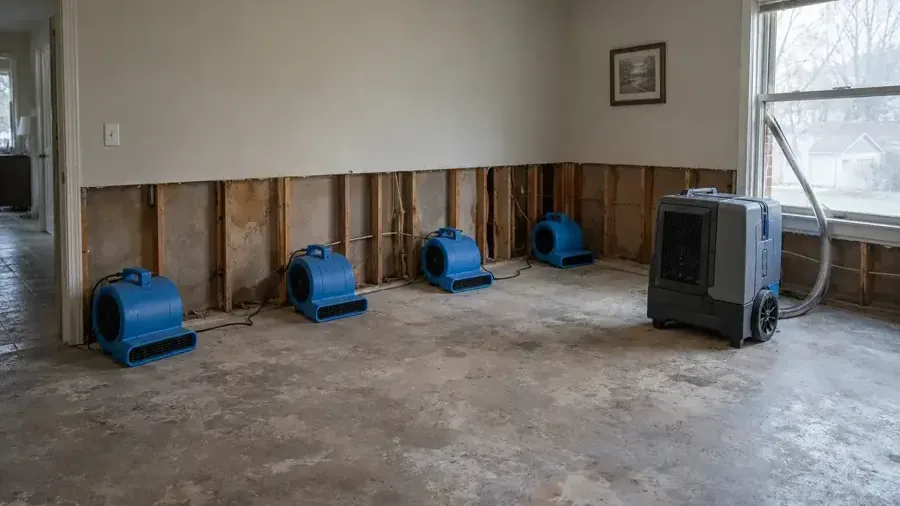
Structural Drying in Mannford
Material readings direct dehumidification until the assembly reaches a defensible drying goal.
Read about structural drying ›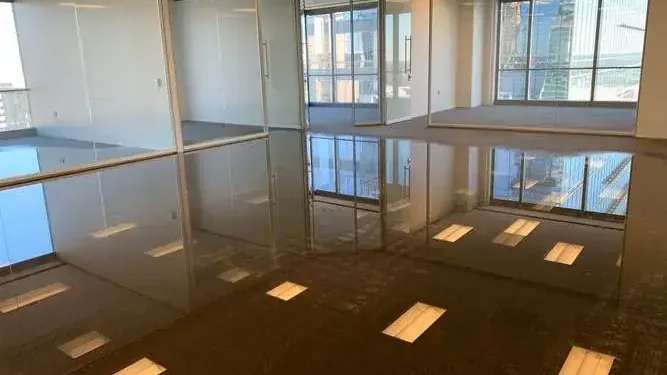
Commercial Water Damage in Mannford
Occupied buildings need controlled work zones and clear moisture records alongside extraction.
Read about commercial water damage ›Sewage Backup Cleanup questions in Mannford, OK
Should someone mop sewage before help arrives?
Sewage requires controlled handling because mops, shoes and buckets can spread contamination beyond the original room. Keep clear of the affected area and prevent casual traffic. Describe the spill and any active backup so the assessment can address collection, exposed materials and safe access together rather than treating it as ordinary floor water.
Will clearing the drain finish the cleanup?
A clear drain addresses the plumbing obstruction or failure, but wastewater already inside the property still needs attention. Contaminated surfaces and absorbent materials must be assessed separately. The owner should receive a cleanup scope that follows the spill through the room, including sheltered edges and belongings touched before the drain was corrected.
Can carpet be retained after sewage contact?
Porous floor materials can retain contamination within fibers and backing where surface treatment cannot reach adequately. The assessment should explain the condition of the carpet, padding and substrate, then identify the removal needed. A fresh appearance or reduced odor is insufficient by itself for deciding to retain affected absorbent layers.
Why might a lower wall section need opening?
Wastewater can enter beneath trim and contact wall materials behind the visible finish. Opening a selected section can reveal contamination or wet insulation that surface cleaning misses. Any proposed opening should have a clear purpose tied to the observed spill, material condition and access needed for cleanup or drying.
Can unaffected rooms stay in use?
Continued use depends on how well clean rooms can be separated from the contaminated area and whether safe utilities and access remain available. The plan should prevent traffic, equipment and removed materials from crossing occupied spaces unnecessarily. The property assessment identifies which parts of the building can remain usable during cleanup.
What information helps the drain assessment?
Describe the first fixture affected, whether other drains changed at the same time and whether using water caused the level to rise again. Avoid repeated flushing or testing that adds wastewater. Those observations help a plumbing professional investigate the drain while the cleanup assessment records the damage already present.
Does a lingering smell identify every contaminated area?
Odor can alert an owner to a problem, but it does not map every exposed surface or concealed material. Cleanup decisions consider the documented water path and contact with absorbent layers. Areas without a strong odor may still require inspection when sewage crossed a threshold or entered a wall edge.
What should appear in the completion records?
Useful records identify the affected rooms, materials removed, surfaces cleaned and moisture conditions in the retained structure. Keep the drain repair information as well. Together these details explain both source correction and the cleanup performed, while making remaining finish repairs or access work clear to the property owner.
Plan a controlled return to usable space
Clear material decisions and protected access help organize wastewater removal, cleaning and the drying that follows for retained parts of the building.
(888) 619-9509Arrange an assessment of the backup