Slab Leak Water Damage in Mannford
A persistent damp patch at a floor edge deserves attention before new flooring covers it. Mannford slab leak cleanup connects the plumbing diagnosis with inspection of the materials above the concrete.
(888) 619-9509Discuss moisture above the slab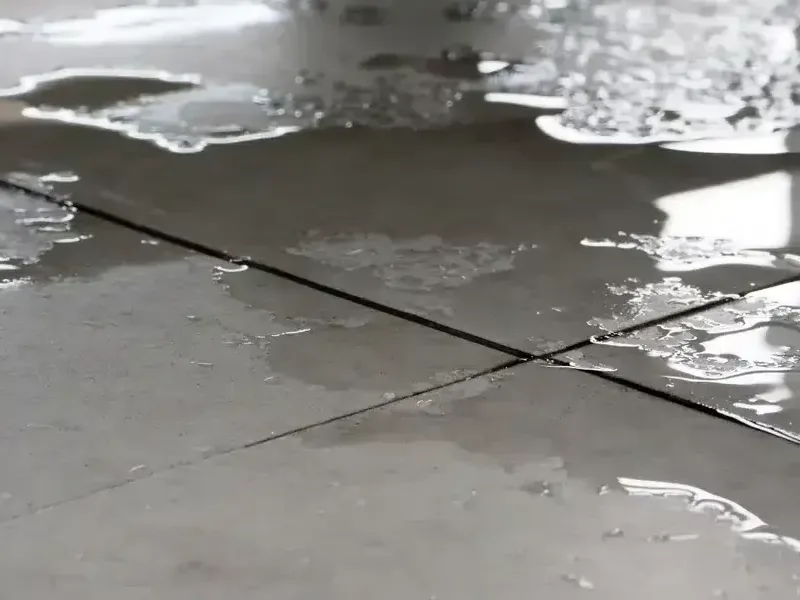
A floor that becomes damp again after wiping needs an explanation for the returning moisture. A concealed supply leak is one possible cause, and locating it belongs with the plumbing diagnosis. The restoration assessment in Mannford follows the resulting damage through floor coverings, adhesive layers and nearby walls rather than treating the concrete surface as the entire loss.
How slab leak water damage progresses
Map the surface symptoms
The inspection records changes in floor finishes and wall bottoms, then coordinates those observations with the plumbing findings to define the affected interior area.
Reach the wet layers
Selected access exposes trapped moisture so the scope can distinguish salvageable finishes from absorbent materials that prevent effective drying underneath.
Manage material conditions
Drying equipment addresses retained building components, with readings used to adjust the plan as moisture leaves the affected layers.
Prepare a repair handoff
Final notes identify checked locations, unresolved finish work and any remaining access repairs so the next contractor receives a useful description of the assembly.
First steps for slab leak water damage
- 1Record the damp pattern. Record where moisture returns, where flooring lifts and where trim stays wet. Those observations give the plumber and drying technician specific areas to inspect.
- 2Arrange source diagnosis. Have the suspected supply failure investigated so any access opening is tied to a specific plumbing finding.
- 3Keep floor layers accessible. Avoid covering exposed wet materials with new flooring or stored belongings before the drying approach is established.
- 4Save repair information. Keep source repair details with cleanup photographs to connect the stopped leak with the remaining material damage.
Find the source before opening a finished floor
In Rolling Oaks, a damp baseboard or lifting floor edge can prompt an inspection of the surrounding assembly. The same approach applies in Park View: document the wet pattern, coordinate source testing and decide where access will answer a specific question. Random removal can damage materials without clarifying where water entered.
- Record whether moisture returns after accessible water has been wiped or extracted.
- Check adjoining wall bottoms for dampness beyond the visible flooring change.
- Keep removed flooring pieces identified when their condition matters to repair planning.
- Separate pipe access needs from openings required to dry affected interior layers.
A plumber's repair may stop the release while leaving moisture beneath a floor finish. That remaining water still needs a path out of the assembly. The cleanup scope should explain whether the floor covering can be retained, whether underlayment needs removal and how adjacent materials will be checked.
Explain where the floor remains damp and whether a plumber has located the leak. The assessment can then focus on the affected layers and the access needed to dry them.
(888) 619-9509Talk about the damp flooringInspect the layers that hold the moisture
Concrete, adhesive, padding and wood do not behave as a single material. A dry looking slab can sit below damp remnants at a wall edge, and a floor finish can slow drying beneath it. Measurements and selective access help identify which layer is controlling progress after the source is repaired.
- Compare affected areas with suitable reference locations in the same building.
- Identify coverings or contents that obstruct access to wet underlying materials.
- Remove materials that cannot remain as part of a practical drying plan.
- Record moisture changes before preparing the floor for its replacement finish.
For a Pelican Point property, room layout and the observed wet boundary determine the inspection route. A damp room may connect to another through flooring joints or wall bases. The assessment should follow that connection far enough to establish where the damage ends, including sheltered cabinet edges where present.
Safe access comes first
The restoration crew checks electrical exposure, overhead stability and the water source before entering the wet area. Occupants keep clear of sagging ceilings and contaminated floors. A qualified professional isolates affected circuits from a dry location. These checks precede extraction because standing water can conceal damage that a surface inspection misses.
Coordinate repair and restoration without closing too early
After plumbing work, the owner needs a clear division between pipe repair, cleanup and finish replacement. The work record should identify any access openings that still need repair. A floor installer may also require material conditions appropriate for the chosen covering before the next assembly is placed over concrete.
Keeping those responsibilities visible prevents an attractive new surface from concealing unfinished drying. Equipment removal should follow the material assessment, with remaining concerns described in practical terms. Owners can ask which locations were tested and what condition is required before covering them again.
- Retain photographs of floor layers uncovered during the damage assessment.
- Keep plumbing invoices with the room and moisture condition records.
- Confirm who repairs access openings after the wet materials are addressed.
- Discuss replacement preparation with the person installing the next floor covering.
When the slab leak has been addressed, structural drying can continue for retained materials. A wood floor affected above the slab may also need hardwood assessment before refinishing decisions are made.
What does slab leak water damage cost in Mannford, OK?
Slab leak water damage cleanup in Mannford uses these planning ranges for affected interior materials. Concealed spread, floor layers and access influence the estimate, while pipe diagnosis, plumbing repair and replacement finishes should have clearly described responsibilities.
Limited edge damage
$1,500 to $2,500
- Damp trim
- Accessible edge
- Localized drying
Several floor layers
$2,500 to $4,000
- Wet underlayment
- Selective removal
- Adjacent walls
Broader concealed spread
$4,000 to $6,000
- Connected assemblies
- Difficult access
- Extended material assessment
These planning ranges are estimate only. Water category, affected area, material class and the delay before extraction change the scope. The water damage cost calculator explores those variables.
Careful decisions for slab leak water damage
Rapid local response
The response team assesses active water, access and source control during 24/7 dispatch. Arrival depends on current conditions and the work required at the property.
IICRC S500 drying standard
The drying technician compares wet assemblies with suitable dry references and adjusts dehumidification to the material load. A dry surface alone does not close the job.
Claim-ready documentation
The mitigation team records initial damage, material decisions, equipment and daily readings. The property owner retains a clearer account of the loss for the insurance review.
Local water experts
The contractor checks the actual building and the reported source before choosing a method. Indoor supply releases, contaminated outside water and backed-up drains require different handling.
Slab leak water damage in Mannford
Assessment is available for homes in KDA and around State Highway 51, with work planned around the actual floor assembly and the plumbing repair access.
The same service nearby: slab leak water damage in Sand Springs, Oakhurst, Sperry.
Related water damage services in Mannford

Structural Drying in Mannford
Material readings direct dehumidification until the assembly reaches a defensible drying goal.
Read about structural drying ›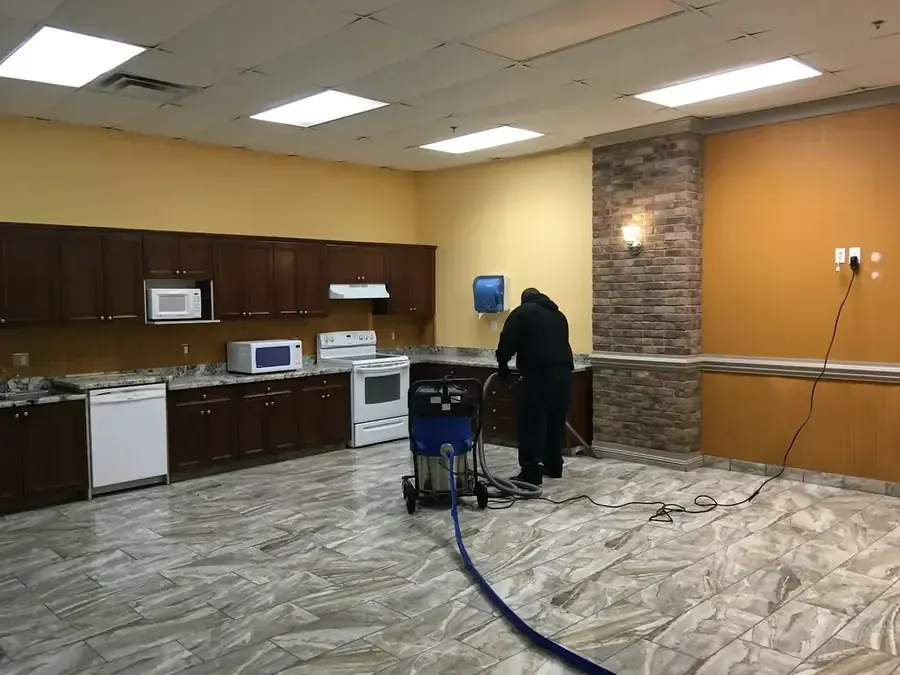
Water Extraction in Mannford
Extractors remove pooled water before the drying equipment tackles moisture inside floors and walls.
Read about water extraction ›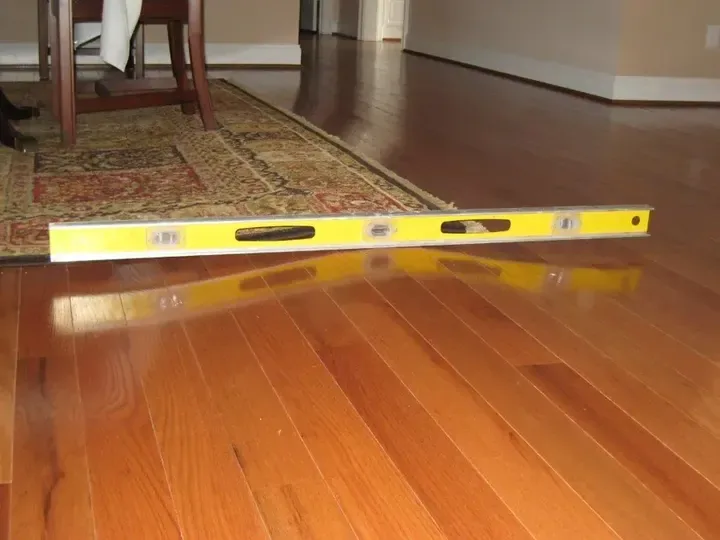
Hardwood Floor Water Damage in Mannford
Board movement and subfloor readings determine whether targeted floor drying remains appropriate.
Read about hardwood floor water damage ›Slab Leak Water Damage questions in Mannford, OK
Does damp flooring prove that a pipe beneath the slab leaks?
Damp flooring has several possible causes. A plumbing assessment and an inspection of the water path help identify the source before invasive access is selected. The cleanup team can document affected materials while diagnosis proceeds, but the repair location should come from findings specific to the property's plumbing.
Will the entire floor need to come out?
Removal depends on how far water traveled, which layers are wet and whether they can be cleaned and dried in place. A localized opening may answer an inspection question, while broader trapped moisture can require more access. The proposed scope should explain the reason for each removal area.
Why can the wall base stay damp after repair?
Water released beneath or beside a floor can reach wall materials through joints and absorbent layers. Stopping the source does not immediately remove that stored moisture. Lower wall inspection helps determine whether trim, drywall or concealed framing requires access and drying after the plumbing work is complete.
Can concrete moisture be judged by its color?
Appearance can help identify a wet pattern, but color alone is insufficient for deciding whether a floor assembly is ready to close. The material assessment considers measurement results and the requirements of the next floor system. A darker area should be investigated within that broader assessment of conditions.
Who handles the pipe repair itself?
A plumbing professional addresses the failed pipe and the source diagnosis. Restoration work addresses the water that entered the building and the materials it affected. The owner should ask how those scopes connect, especially when the plumbing access opening also exposes wet flooring or wall components that need cleanup.
Should belongings be placed over exposed concrete?
Keep the affected area accessible until the inspection and drying plan are settled. Covering a damp surface with boxes or furnishings can obstruct measurements and slow moisture release. Belongings should remain in a suitable dry location, with their condition recorded if they were touched by the original leak.
What records are useful before replacement flooring?
Retain the source repair record, photographs of exposed layers and the moisture information gathered during drying. Those documents help explain what was wet and what work occurred. The floor installer can then identify any additional preparation or acceptance requirements for the material being placed over the existing substrate.
Can hardwood above the slab recover without replacement?
Recovery depends on the wood's movement, contamination, attachment and moisture in the layers below it. Some boards can remain while others may need removal for access or because they are damaged. The decision should follow the material assessment rather than a promise based only on the visible surface.
Resolve the moisture before replacing the finish
A coordinated scope connects the plumbing repair with material inspection, drying records and the work needed to prepare the room for its next floor.
(888) 619-9509Discuss the slab damage scope