Frozen Pipe Water Damage in Mannford
A frozen pipe may reveal its split only when water begins moving again. Mannford cleanup follows that thaw related release through the surrounding cavity and into wet floor layers beyond the break.
(888) 619-9509Describe the thaw related leak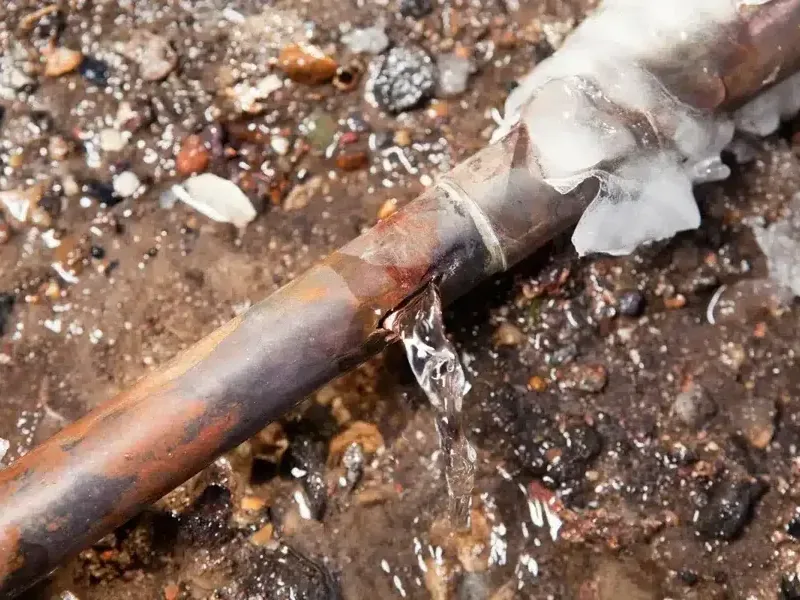
A pipe restricted by ice can have hidden damage that becomes obvious during thawing. Once water moves through the failed section, a wall or floor cavity may receive a continuing release. Frozen pipe water damage work in Mannford begins with controlling that source and then follows the escaped water through the materials surrounding the damaged plumbing.
How frozen pipe water damage progresses
Connect the flow change and leak
The assessment records the thaw related release and coordinates source repair while identifying the wet building materials visible around the failed plumbing section.
Expand along concealed routes
Inspection follows moisture through adjoining cavities and floor junctions, using observed conditions to define the spread beyond the immediate repair opening.
Prepare retained components
Wet layers that obstruct access or cannot remain are addressed before framing and flooring receive a drying arrangement suited to the actual assembly.
Confirm the material handoff
Recorded readings and source repair information identify what is ready for reconstruction, while remaining insulation or finish replacement receives a clear responsibility in the work plan.
First steps for frozen pipe water damage
- 1Describe the thaw sequence. Explain the change in fixture flow and the timing of new dripping so source diagnosis can focus on the affected plumbing.
- 2Keep source access safe. Avoid wet electrical areas or unstable finishes when locating a shutoff, and arrange qualified attention where ordinary access is unsafe.
- 3Leave opened materials available. Preserve the repair opening for assessment of wet insulation and framing before replacement finishes conceal the surrounding damage.
- 4Watch connected room edges. Report new dampness beyond the repaired section so the cleanup boundary can follow water that traveled through concealed spaces.
Watch for the release after flow changes
At a Rolling Oaks property, an owner may notice dripping or a new wet patch after a previously unresponsive fixture begins working again. That sequence is useful to the plumbing assessment. A repaired visible split also needs to be connected with checks of the water path, because moisture can already be stored inside insulation or flooring nearby.
- Describe the change in fixture flow and when the first leak appeared.
- Keep clear of water near electrical components or unstable overhead materials.
- Use a safely accessible shutoff only when the approach remains dry.
- Avoid improvised heating of damaged plumbing while the source is being assessed.
The City of Mannford provides municipal water service. Within the affected building, a plumbing professional can investigate the damaged section and the condition of related connections. Restoration work focuses on the water already released into the structure, with source correction and material recovery coordinated before concealed spaces are closed.
Describe the change in water flow, the visible pipe damage and any new wet areas nearby. That sequence helps connect source correction with the concealed materials needing inspection.
(888) 619-9509Discuss the release after thawingInspect the cavity around the thawed section
For a Park View home, the pipe repair opening can reveal wet insulation on either side of the break. Water can travel through framing openings or along the floor junction before reaching a visible room surface. Inspection should expand along those observed routes and identify where damp materials end, rather than assume the repair opening contains the whole loss.
- Record source repair access and the wet materials exposed around the pipe.
- Check connected wall or floor spaces reached by the escaping thaw water.
- Identify insulation and finishes that obstruct cleaning or retained material drying.
- Monitor exposed framing and floor layers before reconstruction covers the cavity again.
If the release occurred above a ceiling, the room below may also require protection and inspection. A slowing drip can leave water held above weakened board. The work plan should address that overhead condition while the plumber corrects the failed section, keeping occupants clear of damaged surfaces during access.
Safe access comes first
The restoration crew checks electrical exposure, overhead stability and the water source before entering the wet area. Occupants keep clear of sagging ceilings and contaminated floors. A qualified professional isolates affected circuits from a dry location. These checks precede extraction because standing water can conceal damage that a surface inspection misses.
Make recovery decisions after the source is stable
Pelican Point property owners can ask how the cleanup plan will respond if another damp area appears during plumbing checks. Newly discovered spread should be documented and assessed before the room is finished. The scope should also distinguish restoration of wet materials from any plumbing changes recommended to address the pipe's exposure.
Drying needs depend on the actual assembly. Open framing can respond differently from wood beneath a dense floor covering, and saturated insulation can prevent useful access. Material readings help show whether the chosen setup reaches the retained components instead of simply making the room feel warmer while hidden layers remain damp.
- Keep photographs of the failed section and the opened surrounding cavity.
- Save the plumbing findings with the material inspection and drying records.
- Ask who replaces insulation, trim and other removed access finishes.
- Report returning moisture before repaired walls or flooring are covered again.
For the immediate release, burst pipe damage cleanup explains source coordination. Structural drying covers the retained assembly after water removal and access decisions are complete.
What does frozen pipe water damage cost in Mannford, OK?
Frozen pipe water damage cleanup in Mannford depends on thaw release spread and the access needed around concealed plumbing. These planning ranges cover affected assemblies; pipe repair, exposure improvements and reconstruction should be described separately from restoration work.
Contained thaw release
$1,200 to $2,200
- Accessible break
- Localized pooling
- Limited materials
Wet wall and floor layers
$2,200 to $4,000
- Insulation removal
- Connected flooring
- Cavity drying
Multiple concealed areas
$4,000 to $6,000
- Broader inspection
- Restricted access
- Several wet assemblies
These planning ranges are estimate only. Water category, affected area, material class and the delay before extraction change the scope. The water damage cost calculator explores those variables.
Careful decisions for frozen pipe water damage
Rapid local response
The response team assesses active water, access and source control during 24/7 dispatch. Arrival depends on current conditions and the work required at the property.
IICRC S500 drying standard
The drying technician compares wet assemblies with suitable dry references and adjusts dehumidification to the material load. A dry surface alone does not close the job.
Claim-ready documentation
The mitigation team records initial damage, material decisions, equipment and daily readings. The property owner retains a clearer account of the loss for the insurance review.
Local water experts
The contractor checks the actual building and the reported source before choosing a method. Indoor supply releases, contaminated outside water and backed-up drains require different handling.
Frozen pipe water damage in Mannford
Thaw related damage assessments include KDA and properties near State Highway 51, with access planned around the repaired pipe and the adjoining rooms reached by water.
The same service nearby: frozen pipe water damage in Sand Springs, Oakhurst, Sperry.
Related water damage services in Mannford
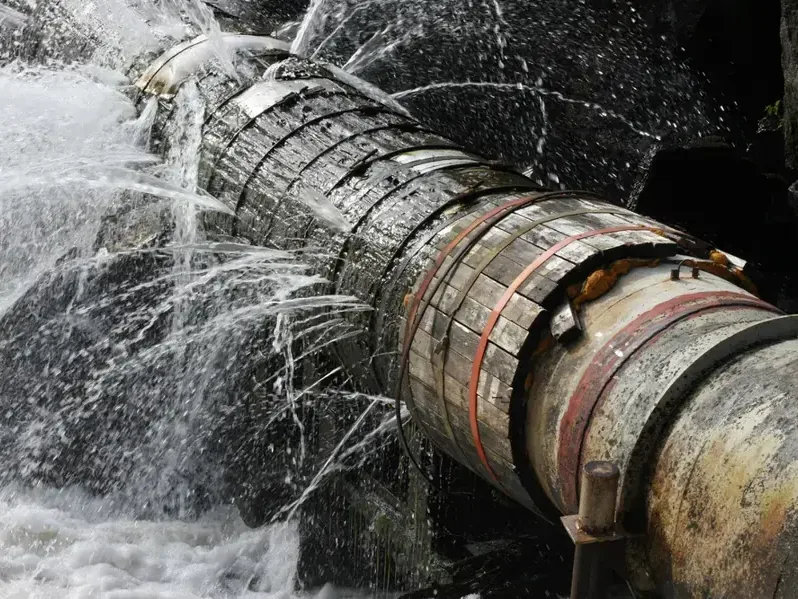
Burst Pipe Water Damage in Mannford
A stopped pipe release still leaves wet cavities that need measured drying and documented access.
Read about burst pipe water damage ›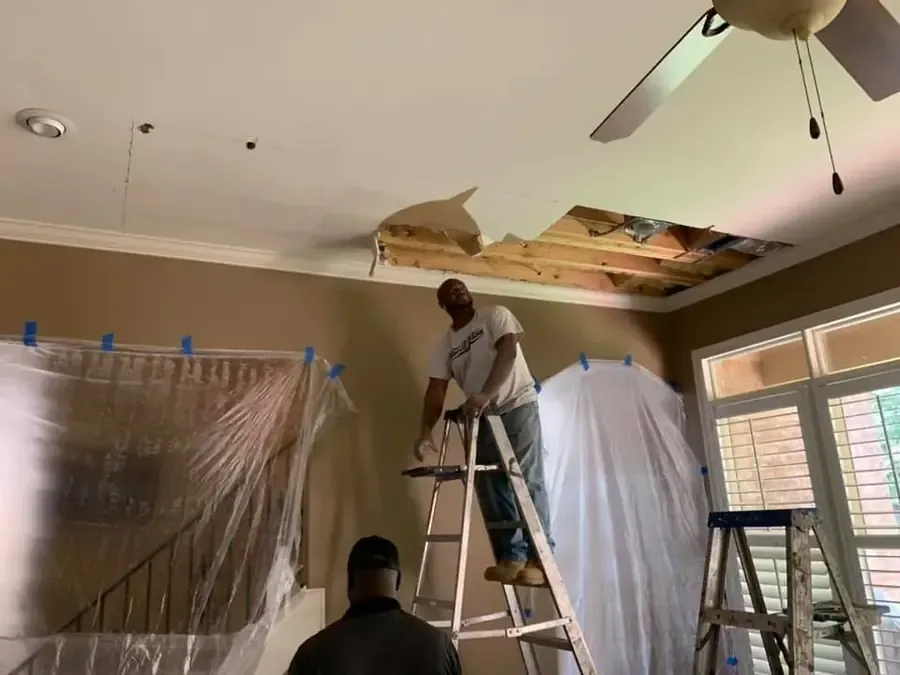
Ceiling Leak Water Damage in Mannford
Overhead water requires safe access to the source before damaged ceiling materials come down.
Read about ceiling leak water damage ›
Structural Drying in Mannford
Material readings direct dehumidification until the assembly reaches a defensible drying goal.
Read about structural drying ›Frozen Pipe Water Damage questions in Mannford, OK
Why can a pipe leak after it starts working again?
Ice can restrict water flow while damage remains hidden in the pipe wall or a connection. When flow returns, water can escape through that opening into the building. A plumbing assessment addresses the failed section, while cleanup follows the resulting release through the cavity and the materials that absorbed it.
Should heat be applied directly to the suspected split?
Improvised heating can introduce hazards and may not resolve the damaged plumbing. Keep the area safe and arrange appropriate source assessment, especially where electrical components or concealed materials are involved. Describe the symptoms and available shutoff so the response can address the leak without unsafe attempts to force flow through the pipe.
Does fixing the visible break resolve all wet damage?
The repair addresses that source, while water already in insulation, framing or floor layers remains a separate task. Inspection should follow the observed spread beyond the opening used by the plumber. Those materials may need removal or monitored drying before the surrounding wall or floor can be closed and finished.
Why check rooms beside the failed pipe?
Water can travel through framing openings and beneath finishes before appearing at a doorway or wall base. An adjacent room may therefore contain damp material without a large visible puddle. Checking those connected areas helps define the cleanup boundary and prevents hidden spread from remaining outside the restoration plan.
What if another leak appears during plumbing work?
Report and document the newly affected area so source correction and cleanup can be coordinated again. The material inspection should account for any expanded wet boundary before reconstruction proceeds. A changing source condition can affect the drying plan, especially if a previously inspected cavity receives another release of water.
Can warmer room air dry the concealed cavity by itself?
Warm air in the occupied room may not reach wet insulation or layers behind a finish. Drying needs access, airflow and moisture removal appropriate to the assembly. Repeated material checks help determine whether those concealed components are improving instead of relying on the temperature or comfort of the room alone.
Should insulation go back immediately after pipe repair?
The surrounding materials should first be inspected and any retained wet components addressed. Replacing insulation too early can conceal moisture or reduce drying access. The handoff should identify the condition of framing and the repair opening, along with who will restore insulation and finishes after the drying stage is complete.
Which documents help explain the completed work?
Keep the plumbing diagnosis, repair description and photographs of the opened cavity together with moisture records. Include notes about adjoining rooms that were checked or found wet. This record connects source correction with building recovery and helps the next contractor understand what remains before replacement finishes cover the affected area.
Recover the assembly around the damaged pipe
A coordinated scope follows escaped water through insulation, framing and floor layers before the repair opening receives replacement materials and conceals the cavity again.
(888) 619-9509Plan the thaw damage cleanup