Commercial Water Damage in Sperry
A wet business room affects people, contents and access at once. Sperry commercial cleanup organizes the damaged area around the building's current use, with defined work zones and a documented path toward repair.
(888) 619-9509Describe the affected business spaces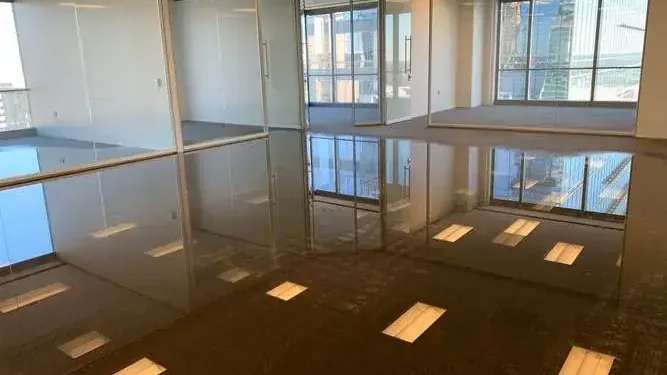
A commercial water loss changes more than the floor condition. Staff access, stored goods, equipment and the route through neighboring rooms can all affect cleanup. The assessment needs a contact who can explain the building's use and authorize access, allowing the restoration scope to address the wet materials without losing track of operational needs.
How commercial water damage progresses
Establish the property priorities
The assessment records building use, responsible contacts and the affected rooms, then identifies access needs and safety restrictions that shape how restoration activity can proceed around the operation.
Create a room based scope
Photographs and material observations connect each proposed task to a specific area, separating building damage from contents, stock and source equipment requiring other assessment.
Carry out coordinated recovery
Extraction, removal and drying follow agreed work routes, with scope changes explained when concealed layers reveal additional damage or different access requirements inside the property.
Hand over clear remaining tasks
The closing account documents retained material conditions, unfinished repairs and any restrictions that remain relevant before normal room use or replacement installation resumes.
First steps for commercial water damage
- 1Identify the site contact. A responsible property contact should provide access details, utility information and the current use of affected rooms.
- 2Separate affected contents. Wet stock and equipment need documentation and a handling plan before movement changes the damage record.
- 3Define usable routes. The cleanup plan should distinguish safe traffic paths from rooms requiring restriction during removal or drying.
- 4Coordinate repair decisions. Source repair, building cleanup and replacement work should have clear responsibilities so overlapping tasks do not obstruct access.
Match the work zone to the occupied building
Retail services and light manufacturing provided jobs in Sperry by 2000, alongside the school district. Those uses present different room layouts and contents concerns. The current property inspection should identify the actual affected operation, the people who use the space and any areas that must remain separated from the cleanup activity.
Sperry Elementary School, Sperry Middle School and Sperry High School share a campus on the western edge of town. In an institutional setting, room access and authorized occupancy deserve particular coordination. The same planning principle applies to a retail floor or work area: establish safe boundaries before equipment and removed materials begin moving through the building.
- Identify a property contact who can explain utilities, keys and restricted rooms.
- Separate affected goods from inventory or equipment that remained outside the water path.
- Record shared corridors needed for removal, inspection and equipment access.
- Clarify any occupancy restrictions created by contamination or unstable building finishes.
Describe the affected rooms, current building use and the contact responsible for access. Those details help organize a commercial assessment around the property and its occupants.
(888) 619-9509Explain the business space affectedDocument the loss by room and material
A single description such as a flooded office can obscure very different conditions within the property. One area may need liquid extraction while another has wet wall cavities or damaged contents. A room based record connects photographs, measurements and proposed work so the owner or manager can understand where each task will occur.
- Establish responsible contacts and safe access to the affected spaces.
- Identify the release route and separate wet contents from unaffected stock.
- Remove water and assess finishes around the building's operational layout.
- Track retained material conditions and coordinate the handoff to repair trades.
Source repair may involve plumbing, roofing or another equipment trade. The restoration plan should state how that work affects access and sequencing. An operating business should also know which activities are restricted by the cleanup and which decisions require another assessment before a room or route can return to normal use.
Safe access comes first
The restoration crew checks electrical exposure, overhead stability and the water source before entering the wet area. Occupants keep clear of sagging ceilings and contaminated floors. A qualified professional isolates affected circuits from a dry location. These checks precede extraction because standing water can conceal damage that a surface inspection misses.
Coordinate drying with a practical repair handoff
Equipment placement must account for the assembly being dried and the routes that people need. A machine positioned without that context can obstruct access while failing to reach concealed moisture. The plan should identify the treated area, protected traffic paths and the way readings will be collected without disrupting the agreed work boundaries.
State Highway 11 serves the town and bypasses the business district following its historical realignment. Property access details can help the initial conversation, while the interior assessment defines the actual loss. Photographs and an itemized scope provide continuity when managers, tenants and repair trades have different responsibilities for the affected space.
- Distinguish building finishes from equipment and inventory in the damage record.
- Explain source repair and cleanup responsibilities before overlapping work begins.
- Record any scope changes discovered behind commercial wall or floor finishes.
- List remaining repairs and access restrictions when drying equipment is removed.
The water extraction service covers liquid removal. Where retained walls or floors remain wet, structural drying describes the measurement stage before rebuilding.
What does commercial water damage cost in Sperry, OK?
Commercial water damage cleanup in Sperry ranges from $2,500 to $15,000. Occupied space, contents handling, concealed assemblies and work access influence scope. Equipment repair, stock losses and replacement finishes should be distinguished from building extraction and drying.
Limited business area
$2,500 to $5,000
- Defined room
- Accessible finishes
- Local extraction
Several occupied spaces
$5,000 to $9,000
- Work boundaries
- Contents movement
- Multiple assemblies
Complex commercial loss
$9,000 to $15,000
- Restricted access
- Concealed damage
- Coordinated drying
These planning ranges are estimate only. Water category, affected area, material class and the delay before extraction change the scope. The water damage cost calculator explores those variables.
Careful decisions for commercial water damage
Rapid local response
The response team assesses active water, access and source control during 24/7 dispatch. Arrival depends on current conditions and the work required at the property.
IICRC S500 drying standard
The drying technician compares wet assemblies with suitable dry references and adjusts dehumidification to the material load. A dry surface alone does not close the job.
Claim-ready documentation
The mitigation team records initial damage, material decisions, equipment and daily readings. The property owner retains a clearer account of the loss for the insurance review.
Local water experts
The contractor checks the actual building and the reported source before choosing a method. Indoor supply releases, contaminated outside water and backed-up drains require different handling.
Commercial water damage in Sperry
Commercial assessments cover properties in 74073, including retail and other occupied spaces where room use, authorized access and the affected building layout determine the cleanup sequence.
The same service nearby: commercial water damage in Sand Springs, Owasso, Oakhurst.
Related water damage services in Sperry
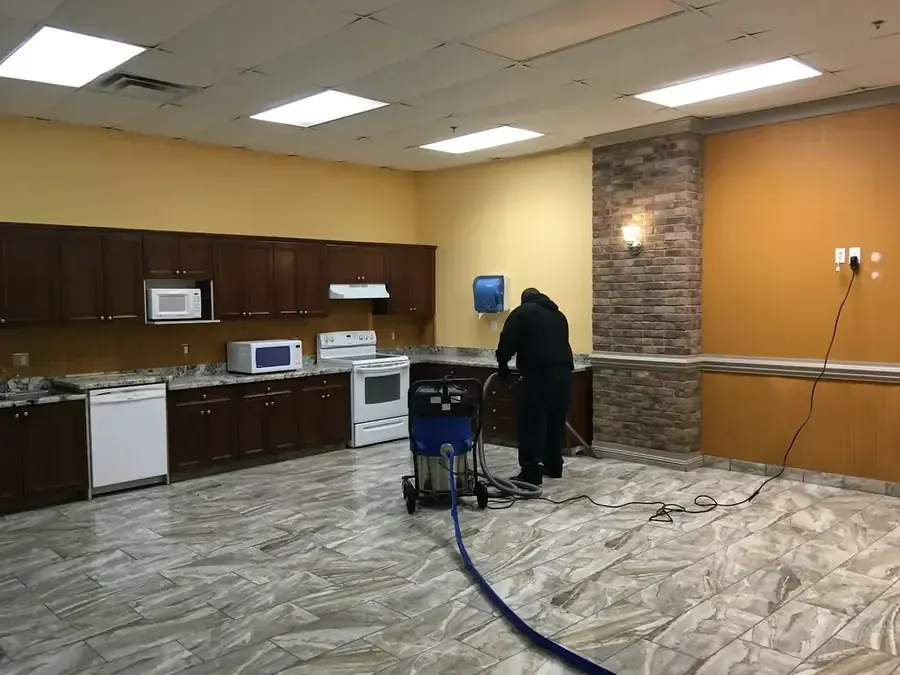
Water Extraction in Sperry
Extractors remove pooled water before the drying equipment tackles moisture inside floors and walls.
Read about water extraction ›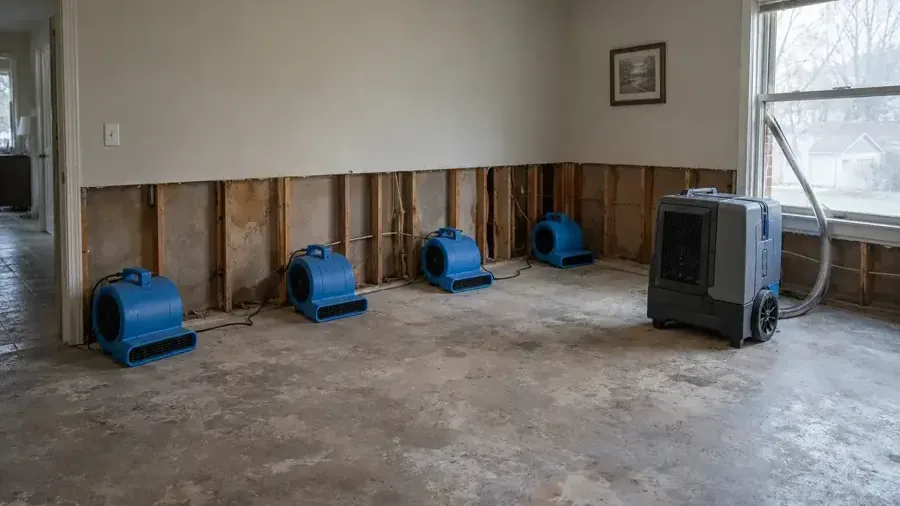
Structural Drying in Sperry
Material readings direct dehumidification until the assembly reaches a defensible drying goal.
Read about structural drying ›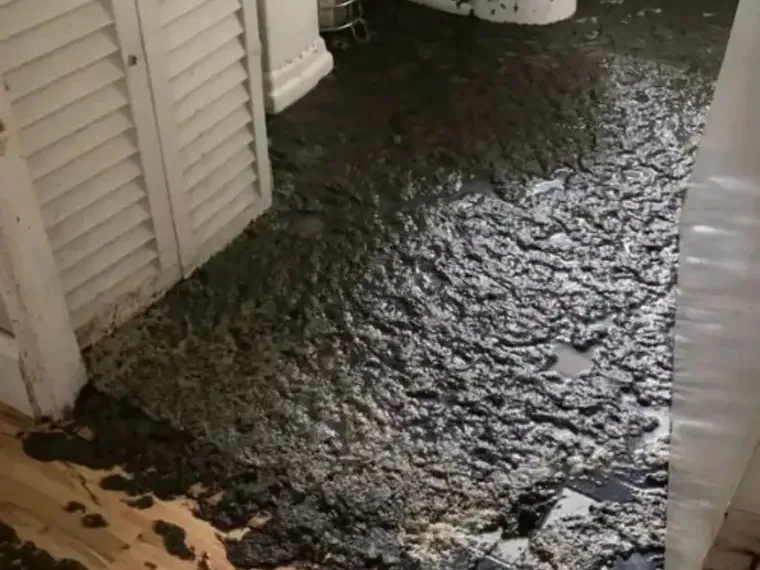
Sewage Backup Cleanup in Sperry
Contaminated drain water calls for controlled removal, cleaning and disposal of affected porous materials.
Read about sewage backup cleanup ›Commercial Water Damage questions in Sperry, OK
Can a business stay open during cleanup?
That depends on contamination, utility safety, building stability and whether an unaffected operating area can remain safely separated. The assessment should identify restricted rooms and practical traffic routes. Continued operation is a property specific decision, and the cleanup plan needs to explain how equipment, removal activity and access requirements affect the space in use.
Who should provide information at the property?
A contact familiar with the building can explain keys, utilities, room use and any restricted areas. That person also helps coordinate owners, tenants and source repair trades. Clear responsibility makes it easier to document the initial condition, authorize necessary access and communicate scope changes when inspection exposes concealed damage beyond the first wet room.
How are inventory and equipment handled?
Affected contents should be documented separately from building finishes. Wet goods, electronic equipment and furniture may need different assessments or specialist handling. Moving them without a plan can obscure damage or obstruct cleanup routes. The initial record should show their location and condition before relocation, disposal or other decisions change the affected space.
Why divide the scope by room?
Different rooms can contain different materials, contamination conditions and access constraints. A room based scope makes those differences visible and connects each task to the area requiring it. This helps property contacts understand why one space needs extraction while another requires wall access, contents handling or continued drying before it can be repaired.
Can restoration and plumbing work overlap?
They can be coordinated when source status and safe access permit it. The plan should identify which trade controls the release and how that work affects extraction or opening of wet assemblies. Clear sequencing prevents equipment, personnel or repair materials from blocking areas that another part of the recovery still needs to inspect or treat.
What changes when the affected space is a school room?
Authorized access, occupancy and protected routes require careful coordination with the property contact. The actual water source and materials still determine cleanup needs, but the room's use affects how work boundaries are established. The plan should state which areas remain restricted and how equipment or removed materials move through shared spaces during restoration.
Does equipment removal mean the business is fully repaired?
Drying completion and final repair are separate stages. Retained material conditions may be suitable while flooring, wall finishes or affected equipment still need replacement or assessment. The handoff should identify those tasks and any remaining access restrictions so the property contact can coordinate the next trades and make an informed decision about room use.
What records support communication among several decision makers?
A clear record includes the event description, room photographs, contents observations, an itemized scope and material readings from the drying stage. Source repair findings and changes discovered behind finishes should also be retained. These documents help owners, managers, tenants and repair trades work from the same description of damage and remaining tasks.
Connect cleanup with the building's daily use
A room based scope makes water removal, material decisions and remaining repairs easier to coordinate across property contacts and trades.
(888) 619-9509Discuss commercial access and wet materials