Crawl Space Water Removal in Oakhurst
When a property has a crawl space, water below the rooms can be difficult to inspect safely. Removal planning starts with entry conditions, the source and the materials above the pooling.
(888) 619-9509Describe the underfloor water conditions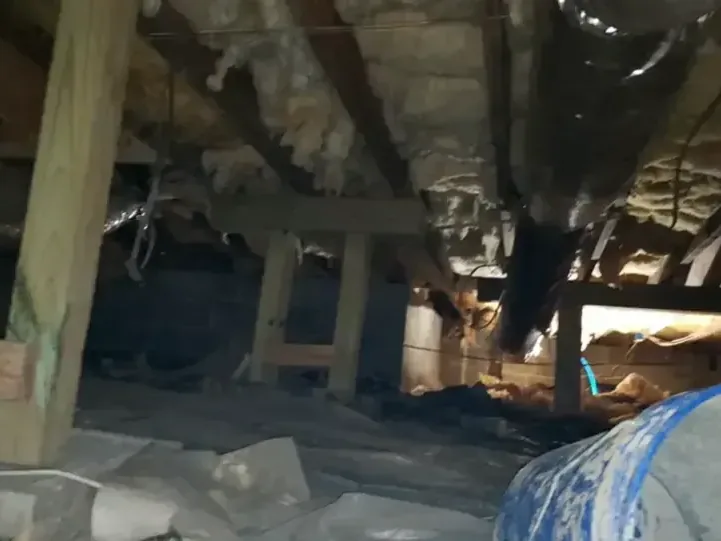
A crawl space can hide water beneath occupied rooms long after the first symptom appears indoors. For an Oakhurst property with this type of underfloor access, the assessment needs to consider entry size, working clearance and the condition of the materials above the wet ground. Occupants should leave hazardous confined access to appropriate professionals.
How crawl space water removal progresses
Inspect entry conditions
The assessment identifies safe access, visible water accumulation and obstacles that affect how equipment and removed materials can pass through the underfloor space.
Clear accumulated liquid
Water removal follows the accessible pooling and source conditions, with handling arrangements chosen for the space and the nature of the water.
Assess the overhead assembly
Insulation and structural wood receive separate attention to determine removal needs, moisture retention and access required to dry the floor assembly above.
Document remaining conditions
Measurements and access notes describe the retained structure, drying progress and any source correction or material replacement still needed after the pooling is cleared.
First steps for crawl space water removal
- 1Stay outside uncertain access. Occupants should avoid wet underfloor spaces with uncertain electrical conditions, footing or safe working clearance.
- 2Identify the available opening. A description of the opening and visible obstructions helps establish how inspection and equipment placement can begin.
- 3Report recurring water. Continued pooling or renewed accumulation after removal helps direct attention to a source that may need a separate repair trade.
- 4Note indoor floor changes. Damp edges, changed floor shape or moisture near an access opening can help connect the underfloor condition with affected rooms above.
Plan entry before arranging the pump
Low clearance, wet electrical components, loose debris and unstable ground can complicate access. The initial discussion should identify the opening and any visible water without requiring an occupant to crawl inside. The inspection then determines whether equipment can reach the pooling and how removed water will be handled appropriately.
- Describe the access opening and any obstruction visible from outside it.
- Report whether pooling returns after an earlier attempt at removal.
- Identify indoor floor changes that may relate to the space below.
- Keep pets and household traffic away from an exposed access opening.
Interstate 44 and Interstate 244 are community corridors in Oakhurst, which includes a Creek County portion. These references help locate the property. The actual underfloor work depends on the individual building's access and materials, including whether insulation or ground cover blocks inspection of the wet area.
The access opening, visible pooling and any recurring water help explain the underfloor problem. Indoor floor changes can also identify where the concealed assembly needs closer inspection.
(888) 619-9509Explain the underfloor accessLook upward after the pooling is removed
Pumping addresses accumulated liquid, but water may also affect insulation, joists and the underside of the floor. Those materials require their own condition assessment. Wet insulation can obstruct inspection and drying, while damaged or contaminated ground cover may need separate handling before the retained structure can be assessed effectively.
- Establish safe entry and identify the source of continued water.
- Remove accessible pooling with a suitable discharge arrangement.
- Assess wet insulation, cover materials and exposed structural wood.
- Track moisture in retained components after controlled drying begins.
A floor above the crawl space can feel firm while its underside remains damp. Readings from accessible wood help connect those hidden conditions with the recovery plan. Structural drying may require equipment placement and access that differ from a room above, particularly when airflow around the wet assembly is restricted.
Safe access comes first
The restoration crew checks electrical exposure, overhead stability and the water source before entering the wet area. Occupants keep clear of sagging ceilings and contaminated floors. A qualified professional isolates affected circuits from a dry location. These checks precede extraction because standing water can conceal damage that a surface inspection misses.
Keep source correction separate from water removal
Repeated accumulation needs attention to its cause. A plumbing release, outside entry or another source can require a different repair trade. The cleanup scope should identify that responsibility and explain which underfloor materials have already been affected. Removing water repeatedly without addressing continued entry leaves the structure exposed to another wetting cycle.
The owner should receive notes on the accessible area, remaining restrictions and the condition of retained materials. If part of the space cannot be reached, that access issue needs a practical plan. Drying decisions should follow the inspected assembly and measurements rather than the appearance of the ground alone.
- Record insulation removed to expose the underside of the floor.
- Identify wood surfaces that remain part of the drying assessment.
- Protect the access route during equipment and debris handling.
- List source repairs separately from underfloor cleanup and material replacement.
The community cleanup page covers related indoor damage when the same source also affects finished rooms above or beside the underfloor area.
What does crawl space water removal cost in Oakhurst, OK?
Oakhurst crawl space removal ranges from $1,000 to $1,800 for accessible pooling, $1,800 to $3,200 for wet insulation and wood, and $3,200 to $5,000 for a restricted contaminated space. Entry conditions and affected materials shape the scope.
Accessible pooling
$1,000 to $1,800
- Clear entry
- Water handling
- Ground assessment
Wet insulation and wood
$1,800 to $3,200
- Insulation access
- Joist readings
- Underfloor drying
Restricted contaminated space
$3,200 to $5,000
- Difficult entry
- Controlled removal
- Extended assessment
These planning ranges are estimate only. Water category, affected area, material class and the delay before extraction change the scope. The water damage cost calculator explores those variables.
Careful decisions for crawl space water removal
Rapid local response
The response team assesses active water, access and source control during 24/7 dispatch. Arrival depends on current conditions and the work required at the property.
IICRC S500 drying standard
The drying technician compares wet assemblies with suitable dry references and adjusts dehumidification to the material load. A dry surface alone does not close the job.
Claim-ready documentation
The mitigation team records initial damage, material decisions, equipment and daily readings. The property owner retains a clearer account of the loss for the insurance review.
Local water experts
The contractor checks the actual building and the reported source before choosing a method. Indoor supply releases, contaminated outside water and backed-up drains require different handling.
Crawl space water removal in Oakhurst
Crawl space assessments apply to Oakhurst properties that have an underfloor space, with entry planning and material recovery based on that building's actual access conditions.
The same service nearby: crawl space water removal in Sand Springs, Bixby, Sperry.
Related water damage services in Oakhurst
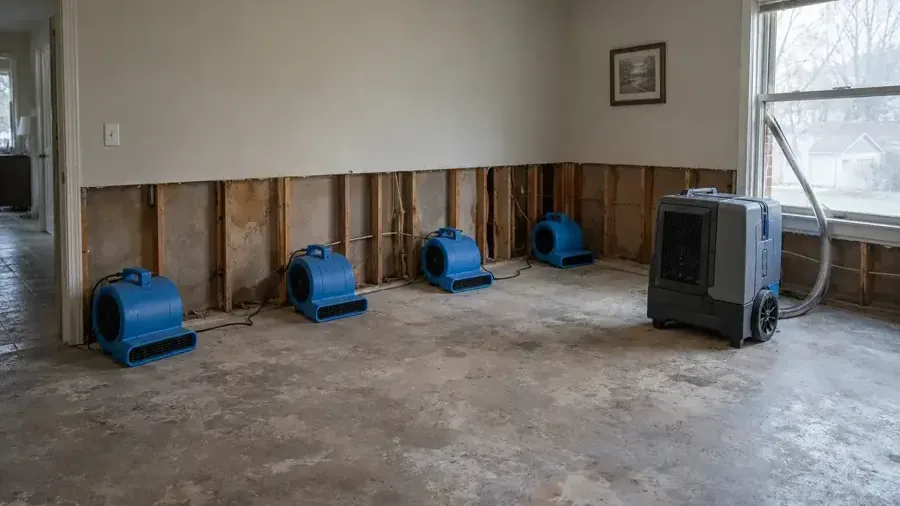
Structural Drying in Oakhurst
Material readings direct dehumidification until the assembly reaches a defensible drying goal.
Read about structural drying ›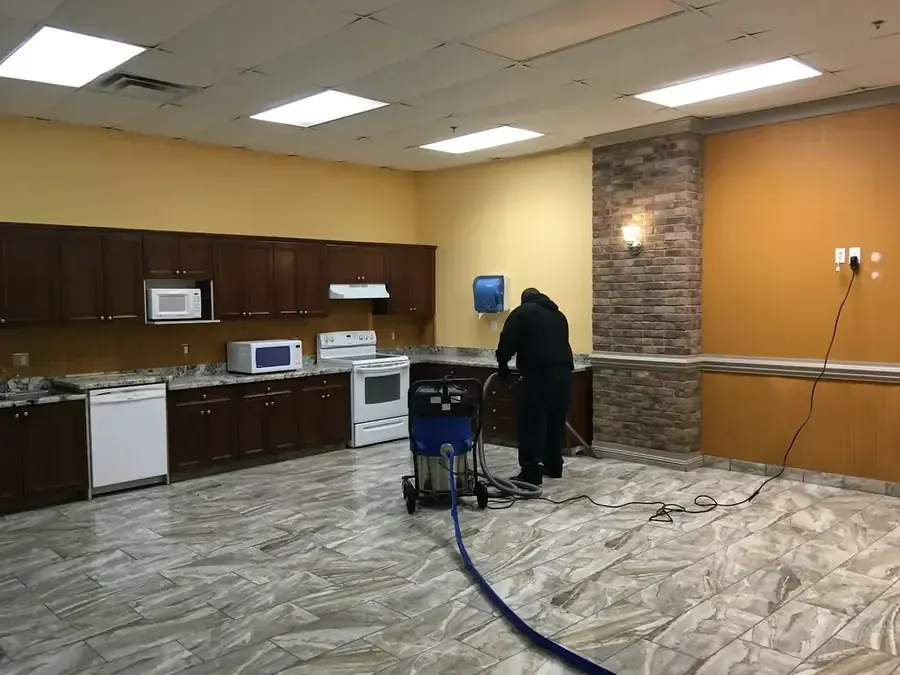
Water Extraction in Oakhurst
Extractors remove pooled water before the drying equipment tackles moisture inside floors and walls.
Read about water extraction ›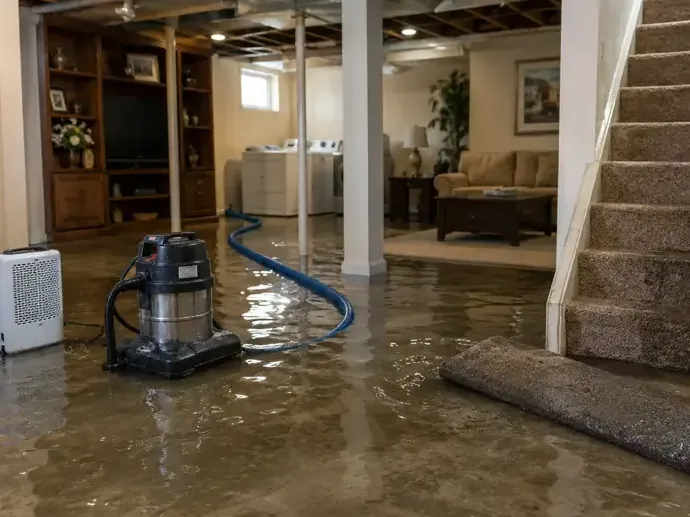
Storm Flood Cleanup in Oakhurst
Outside water brings sediment and contamination indoors, changing both extraction and material decisions.
Read about storm flood cleanup ›Crawl Space Water Removal questions in Oakhurst, OK
Is crawling inside the space necessary for an initial call?
The property contact can describe the opening and visible conditions from a safe position. Entering wet underfloor spaces can involve electrical, footing and clearance hazards. The assessment determines how professional access should proceed, including whether equipment placement or additional preparation is needed before the structure can be inspected.
Does pumping remove moisture from the floor above?
Pumping clears accumulated liquid from accessible low areas. The underside of the floor, joists and insulation may still hold moisture. These materials require separate assessment and drying decisions. A clear ground surface therefore marks progress in water removal, while the structural recovery may continue beyond that stage.
What if water returns after it has been removed?
Renewed pooling points to continued entry or another unresolved source. The appropriate repair assessment should address that cause alongside cleanup of the affected materials. The written plan needs to distinguish repeated water removal from the work required to control the release and protect the structure from another wetting.
Will all underfloor insulation need removal?
The decision follows the insulation's exposure, condition and effect on access to wet wood. Some sections may obstruct inspection or remain unsuitable after saturation or contamination. The scope should identify affected areas and explain how removal supports cleaning, drying or replacement of the materials beneath the occupied floor.
Can the occupied rooms stay open during this work?
That depends on the source, contamination, structural conditions and the location of the access route. Equipment and debris handling may affect room use even when the water is below the floor. The property should have clear access instructions that protect occupants from the underfloor work and any exposed openings.
How are joists checked after pooling is cleared?
Accessible wood can be inspected for physical condition and measured for moisture at relevant locations. Those readings help establish the drying plan and show how the materials respond. The assessment should also consider the floor underside and nearby concealed areas that may remain damp despite a dry looking ground surface.
Does this service include fixing the water source?
Water removal and material recovery can be separate from plumbing or building repairs that control entry. The project description should identify who handles each task. Coordination matters because retained wood and replacement insulation should not be exposed to continued water from a source that has not been addressed.
What records should be provided after underfloor cleanup?
Useful documentation identifies the accessible area, removed materials, source observations and structural moisture readings. It should also describe remaining restrictions and repair needs. This helps the owner understand what was accomplished below the floor and gives later trades information about the assembly before replacement materials are installed.
Clear pooling and assess the structure above
An underfloor recovery plan should connect safe water removal with the insulation and wood that remain damp after the ground is cleared.
(888) 619-9509Discuss crawl space cleanup access