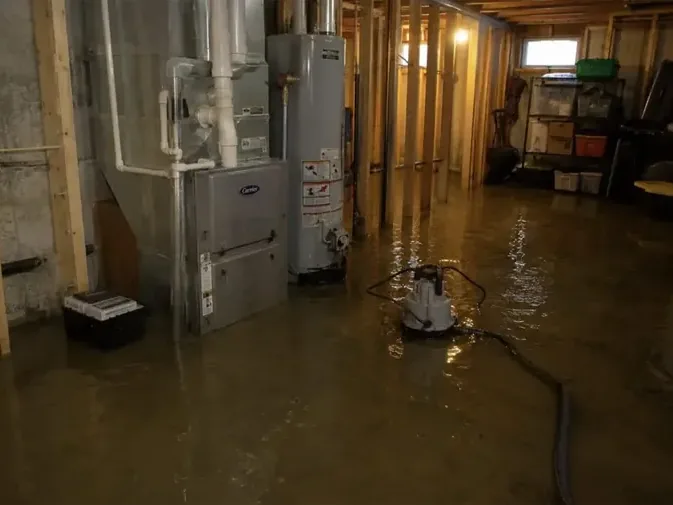
Owasso lists installation, alteration and replacement of water heaters under mechanical permits. When a heater leaks, the property owner also has a separate cleanup problem around the tank and neighboring materials. Organizing those tasks together helps preserve repair access while the wet utility room receives the inspection and drying it needs.
Key takeaways
- Arrange safe isolation of the leaking heater through the appropriate professional.
- Keep replacement work coordinated with access to the wet floor and wall base.
- Record water movement outside the heater footprint before the tank is moved.
- Use the completed drying record to support the handoff for remaining finish work.
Give the tank and the room separate task lists
A heater repair professional addresses the equipment and its connections. The restoration crew follows the escaped water into the building materials, which can extend beyond the space immediately surrounding the tank and remain wet after a replacement unit is ready to be installed.
Keeping separate task lists makes those responsibilities easier to follow. The owner can track equipment isolation and replacement alongside extraction, access openings and drying, without losing a building material issue in the larger discussion about selecting and installing a new heater.
The water heater leak cleanup service addresses those surrounding surfaces. A useful initial description identifies the room containing the tank, the visible spread of water and whether belongings or fixed utility equipment limit access to the affected floor.
- List equipment repair tasks apart from room restoration.
- Describe wet materials outside the tank footprint.
- Identify utility connections that need professional handling before access.
The installer and the permit process
The Building Division in the Community Development Department provides construction permits and building inspections in Owasso. The heater installer should coordinate the applicable mechanical permit work with that department while the restoration crew documents the separate condition of the wet room and adjoining materials.
The owner can retain the installation paperwork alongside the cleanup record without combining their purposes. Equipment replacement documentation describes the heater work, while material photographs and moisture observations explain what happened to the floor, wall and other building components after the leak.
If the restoration work includes changes beyond the heater itself, those details should be communicated to the appropriate contractor. A clear description of opened or removed components helps the person planning reconstruction identify the work involved and coordinate any required project details before finishes are restored.
Look beyond the circular tank footprint
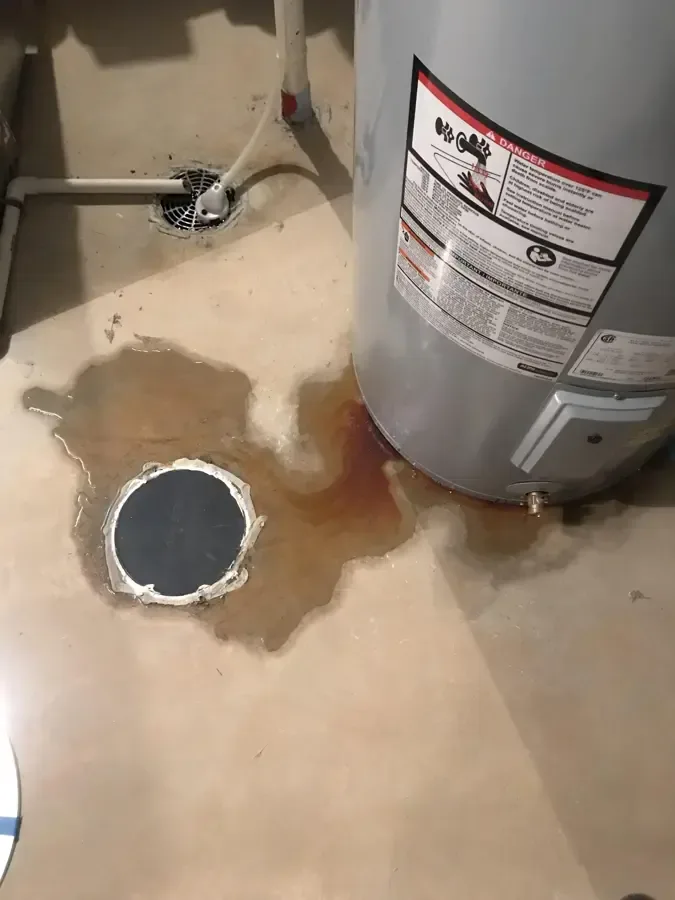
The most visible puddle often draws attention to the heater base, but the inspection should follow water toward nearby partitions and thresholds. A narrow utility space can conceal affected edges behind the tank or adjacent equipment, leaving parts of the wet assembly difficult to see initially.
Photographs before tank removal preserve the original arrangement of equipment, storage and visible water. Once the space is accessible, additional images can show the floor and wall surfaces that were previously blocked, connecting the original spill with the wider cleanup scope.
The water extraction service removes accessible liquid so those surfaces can be assessed more clearly. The technician should still note any area that remains blocked by permanent equipment and explain how that restriction affects the next inspection or drying decision.
- Follow the water toward the nearest doorway and partition.
- Compare exposed surfaces before and after heater movement.
- Keep blocked corners visible on the material inspection sketch.
Use the replacement opening to assess hidden surfaces
Tank removal can provide access to a floor edge that is difficult to inspect once new equipment is installed. Coordinating the timing allows the restoration crew to assess that surface and document its condition while the installer has the heater out of the way.
The opportunity should have a specific purpose, such as measuring an affected wall base or checking the material behind a wet panel. Clear tasks keep the access window useful and prevent unnecessary confusion about whether the installer or restoration crew still needs the open space.
A surface selected for removal should be photographed before disposal, with its location recorded relative to the tank position. That information supports later finish repair and helps explain why a cabinet, trim piece or floor section is missing after the equipment installation is complete.
Keep storage from hiding the drying area
Utility rooms often serve as storage spaces, and belongings can occupy the same edges that need measurement. Items moved during tank access should have a planned destination so they do not return against a wet wall or obstruct the equipment placed to treat retained materials.
Affected cartons and absorbent belongings need their own handling decision. Stacking them beside a newly exposed surface can transfer moisture and obscure the inspection route, so the record should distinguish contents treatment from the drying plan for the building itself.
The owner can use labels to keep dry, affected and pending items organized. That arrangement also helps the installer reach the replacement equipment safely and gives the restoration crew consistent access to the selected floor and wall points during follow up inspections.
- Keep stored goods away from selected measurement points.
- Separate damp cartons from unaffected household supplies.
- Maintain the equipment access route agreed with the installer.
Track moisture after the new heater is in place
Installation of a replacement tank changes the room arrangement without automatically changing the condition of every surrounding material. The structural drying process continues to assess the retained assembly, using the access that remains available once the equipment work is complete.
Measurement locations should be chosen so their results can be compared meaningfully across visits. If the replacement tank blocks a former test point, the technician needs to document that change and explain how the nearby material will be evaluated during the remainder of the work.
The progress discussion should include any visible finish changes that persist as moisture levels respond. A distorted trim piece or damaged floor edge may still require repair, and that material decision belongs in the handoff instead of being treated as an equipment installation issue.
Bring the project records together at closeout
The completed packet should contain the source finding, equipment work status and the room drying observations. Keeping those records connected allows the owner to understand both the functioning heater and the condition of the building surfaces that surrounded the original spill.
Before contents return, the remaining repair list should identify missing panels, flooring or trim and any access that must stay available. That list helps the finish contractor work around the installed tank without disturbing equipment connections or covering a location still awaiting inspection.
An Owasso heater leak can therefore close with a clear sequence of responsibilities rather than a single statement that the tank was changed. The owner should know which tasks are complete, what materials remain for repair and where the supporting installation and cleanup documents are stored.
Questions
Does heater replacement include drying the surrounding wall?
Equipment installation and wet building material treatment are distinct scopes. The owner should confirm who is assessing the adjacent wall and floor after the source work.
Which local permit category includes heater replacement?
The city lists water heater installation, alteration and replacement under mechanical permits. The installer should coordinate the applicable work with the municipal building department.
Why photograph the room before the tank moves?
The original layout shows water contact and surfaces hidden behind equipment. Later photographs can then explain what additional damage became visible during access.
Can storage return as soon as the new tank operates?
The drying crew should first confirm which surfaces and routes still need access. Belongings should return only when their own condition and the room arrangement support it.